Physical Address
304 North Cardinal St.
Dorchester Center, MA 02124
Physical Address
304 North Cardinal St.
Dorchester Center, MA 02124
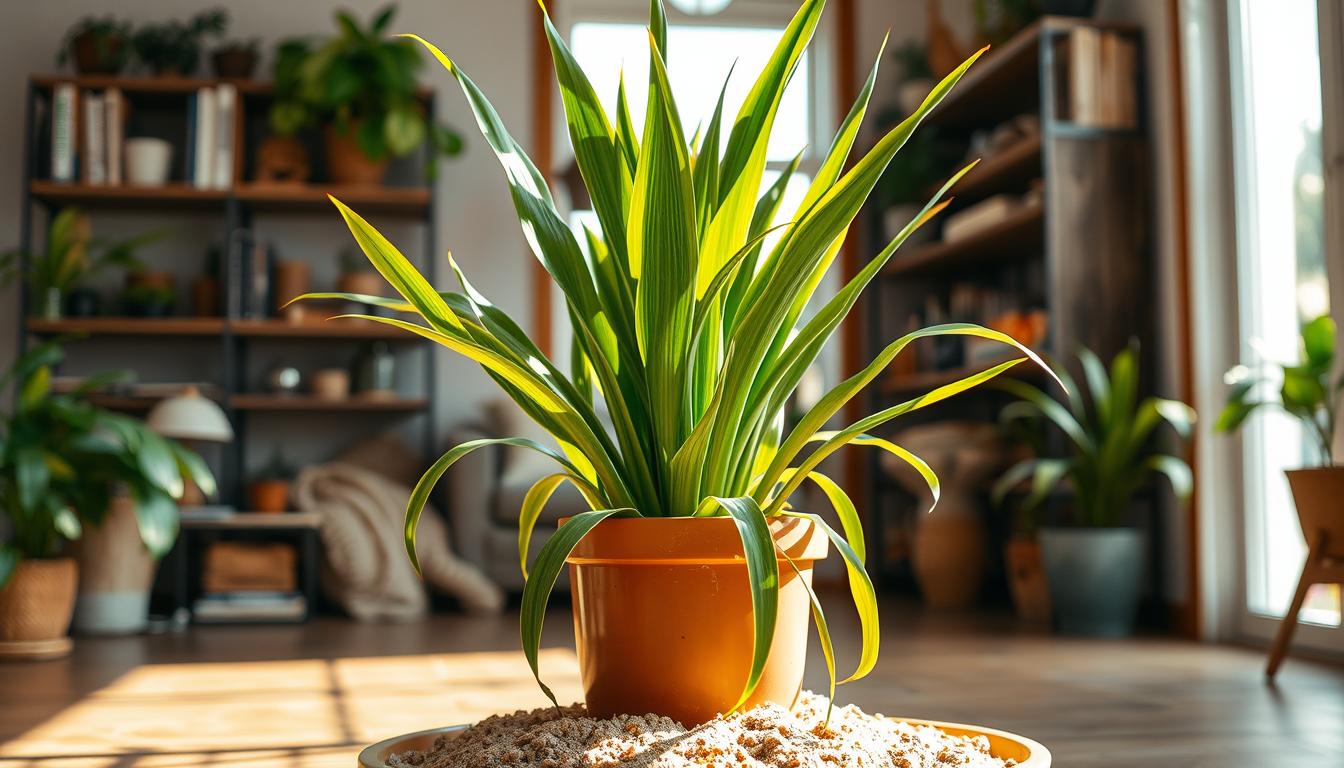
Quick answer: the Dracaena marginata (dragon tree) is one of the most forgiving houseplants you can grow. Give it bright, indirect light, water only when the top 2–3 inches of soil are dry (every 2–3 weeks), keep it above 60°F, and use filtered water to avoid brown tips. It is slow-growing, drought-tolerant, and hard to kill — but note it is toxic to cats and dogs.
Native to Madagascar, Dracaena marginata is instantly recognizable for its slim, arching leaves edged in red and its thin, cane-like stems. It tolerates a wide range of indoor conditions, which is why it is a favorite for beginners and offices alike. It also earns its keep: the dragon tree was among the plants in NASA’s Clean Air Study noted for helping filter indoor air — see our roundup of air-purifying plants for the fuller picture.
| Light | Bright, indirect (tolerates lower light, grows slower) |
| Water | Every 2–3 weeks, when top 2–3 in. of soil are dry |
| Temperature | 65–80°F; keep above 60°F |
| Humidity | 30–50% (average home is fine) |
| Height indoors | Up to ~6 ft, slowly |
| Toxicity | Toxic to cats & dogs |
Dragon trees do best in bright, indirect light but adapt to medium and even low light — they simply grow more slowly and produce less vivid leaf color. Avoid harsh direct sun, which scorches the foliage.
Signs the light is wrong: pale, scorched patches mean too much sun; leggy, stretching growth means too little.
Overwatering is the fastest way to kill a dragon tree. These plants store water and prefer to dry out between drinks.
Water quality matters. Dracaenas are sensitive to fluoride and salts, which cause brown leaf tips. Use distilled, filtered, or rainwater, or leave tap water out overnight before using it.
Use a loose, well-draining mix — a blend of potting soil, perlite, and a little peat or coco coir works well, aiming for a slightly acidic to neutral pH (6.0–7.0). For an exact recipe, see our dracaena soil mix guide.
Choose a pot with drainage holes, only about 2 inches larger than the current root ball. Material is a trade-off:
| Pot | Pros | Cons |
|---|---|---|
| Terracotta | Excellent drainage, breathable | Dries out faster |
| Ceramic (glazed) | Decorative, holds moisture | Heavier |
| Plastic | Light, cheap | Less breathable |
If your plant came potted in lava rock, remove about a third of it and replace with quality mix to improve moisture and nutrient uptake.
Dragon trees like it between 65–80°F and dislike cold. Keep them above 60°F, away from drafty doors, windows, and heating/cooling vents. Average household humidity (30–50%) suits them, but very dry winter air can brown the tips — a few simple fixes in our guide to raising humidity help.
Dragon trees are light feeders. During spring and summer, feed monthly with a balanced liquid houseplant fertilizer diluted to half strength. Stop feeding in fall and winter, when the plant is not actively growing. White crust on the soil and brown tips can signal over-fertilizing — flush the soil and ease off.
Prune to shape the plant and remove damaged or yellow leaves — use clean, sharp shears, and cut tall canes back to encourage fuller growth. Spring is the best time, when growth hormones are most active.
Propagation from stem cuttings is easy and satisfying:
Our step-by-step dracaena propagation guide walks through both methods and common rooting problems.
A few yellowing lower leaves is normal aging. Widespread yellowing usually points to overwatering or poor drainage; upper-leaf yellowing can mean underwatering or a nutrient issue. Our dedicated guide to dracaena yellow leaves helps you pin down the cause.
Almost always water quality (fluoride/salts), low humidity, or over-fertilizing. Switch to filtered water, raise humidity, and feed less.
Watch for spider mites, mealybugs, scale, and thrips. Treat with neem oil or insecticidal soap on leaves, stems, and soil — our guide to spider mites and mealybugs covers early detection. Wiping the leaves during your regular leaf-cleaning routine helps you catch them early.
Dragon trees are slow growers and only need repotting every 2–3 years. Signs it is time: roots growing through drainage holes, water rushing straight through, or stalled growth. Move up just one pot size (about 2 inches), refresh the soil, and avoid fertilizing for 4–6 weeks afterward. Full steps are in our repotting dracaena guide.
Dracaena marginata is toxic to cats and dogs if chewed. Place it out of reach, or choose a pet-safe plant if that is a concern in your home.
Every 2–3 weeks, only once the top 2–3 inches of soil are dry. Use filtered water and make sure the pot drains freely.
Yes, it survives low light but grows slower and with less color. Bright, indirect light is ideal.
Usually fluoride or salts in tap water, low humidity, or over-fertilizing. Switch to distilled or filtered water, raise humidity, and feed less.
Yes, it is toxic to cats and dogs. Keep it out of their reach.
Up to around 6 feet over many years — it is a slow grower, which makes it easy to keep in scale.
Early spring, every 2–3 years, moving up just one pot size.