Physical Address
304 North Cardinal St.
Dorchester Center, MA 02124
Physical Address
304 North Cardinal St.
Dorchester Center, MA 02124

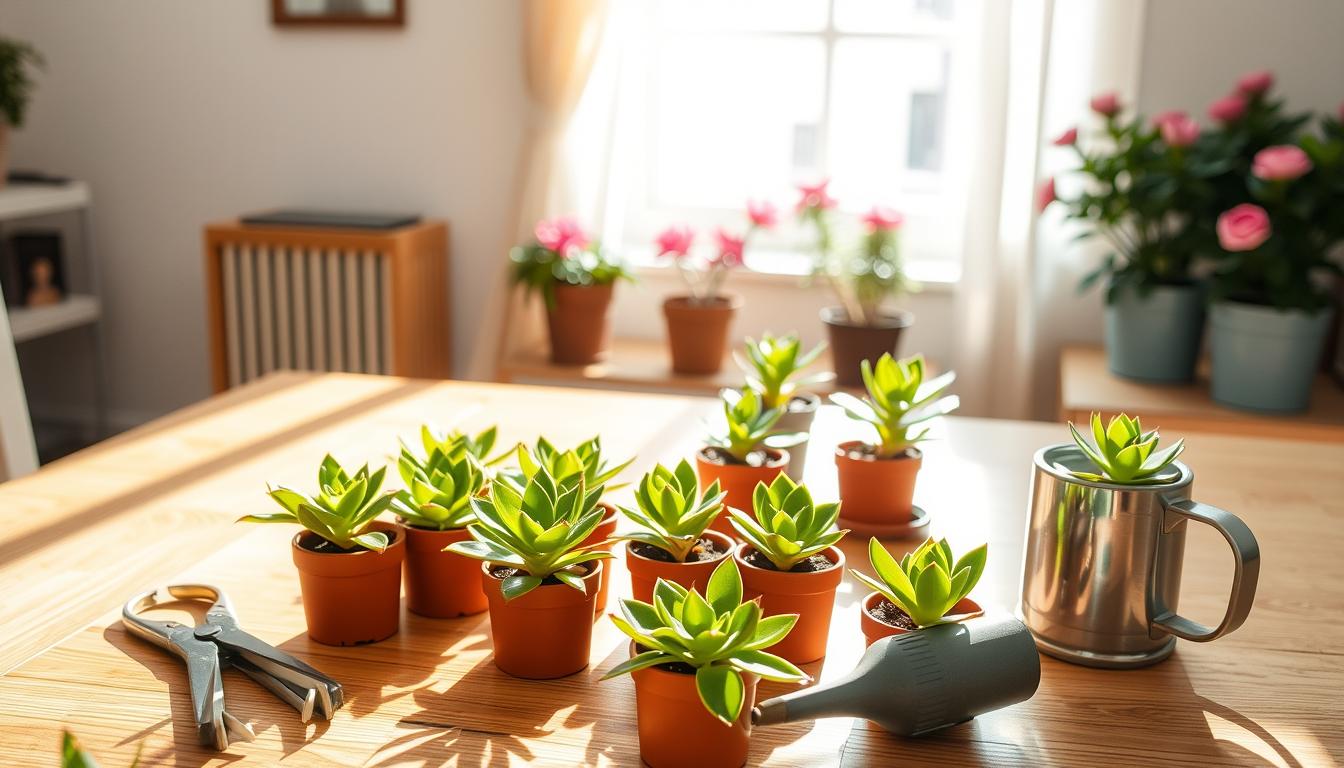
The first time I found out about kalanchoe, it was a gift that seemed destined for the trash. But, these vibrant plants turned out to be lifelong friends with the right care. Whether you’re new to plants or have been gardening for years, learning to propagate kalanchoe opens up a world of colors.
Kalanchoe plants come from Africa and have become beloved houseplants in North America. The Calandiva cultivar, created in the Netherlands in 2003, has double blooms that last six to eight weeks. They are a beautiful addition to any indoor garden.
This guide will show you how to propagate kalanchoe and make them bloom more. You’ll learn how to multiply your plants, get them to bloom again, and turn them into thriving plants. What many see as a disposable plant can become a cherished botanical treasure.
Kalanchoe plants have become a favorite in indoor gardens. They offer more than just a temporary look. These succulents are a great choice for those who love to propagate plants.
Kalanchoe plants are known for their toughness and beauty. The Calandiva variety, introduced in 2003 in the Netherlands, changed how we see these plants. It gives gardeners a strong and long-lasting flowering option.
Kalanchoe plants are special for many reasons:
Kalanchoe plants come in a wide range of colors. They can match any home decor:
| Color Group | Specific Shades |
|---|---|
| Warm Tones | Vibrant reds, oranges, coral |
| Cool Tones | Soft pinks, lavenders, whites |
| Bright Tones | Sunny yellows, bright greens |
Starting a kalanchoe plant propagation project can lead to a colorful collection. These hardy succulents can brighten up your indoor spaces.
To grow kalanchoe well, you need to know their best environment. These plants do great in certain conditions that help them grow strong and ready for more plants.
Light is key for kalanchoe. They need indirect sunlight to grow well. Direct sun can burn their leaves. So, put them near a window with light that’s not too strong.
Watering is also very important. Let the soil dry a bit before watering again. Too much water can cause root rot and stop the plant from growing.
Choosing the right soil is crucial for kalanchoe health. Pick a potting mix that drains well, made for succulents. This helps manage moisture and keeps roots healthy.
When growing kalanchoe outside, remember these tips:
Pro tip for growing kalanchoe: Water at the soil level, not the flowers. This helps flowers last longer and keeps them safe from disease.
Kalanchoe propagation is a fun way to grow more plants without buying new ones. It lets you make many new plants from just one healthy plant. Stem cuttings are the best way to grow more kalanchoes.
To propagate kalanchoe well, you need to pick and prepare your stem cuttings carefully. It might seem hard at first, but with practice, you’ll get good at it.
Choosing the right stem is key when propagating kalanchoe. Look for these traits in your cutting:
To boost your chances of success, follow these important steps:
By using these methods, you’ll have a better chance of successful kalanchoe propagation. You’ll grow a beautiful collection of these plants.
Kalanchoe propagation in water is a fun alternative to soil. It lets you see roots grow and is a cool way to grow more plants. It’s not the usual method, but it’s great for those who love plants.
Preparing for water propagation is key. Take off the lower leaves to stop rot. Use a clear glass so you can see the roots grow.
Here’s what you need for water propagation:
Roots should show up in two to four weeks. Change the water often to keep it clean and full of oxygen. When the roots are 1-2 inches long, it’s time to move the cutting to soil.
| Propagation Stage | Duration | Key Considerations |
|---|---|---|
| Water Rooting | 2-4 weeks | Change water regularly |
| Root Length | 1-2 inches | Ready for soil transplant |
| Soil Adaptation | 1 week | Monitor plant closely |
Water propagation needs patience and attention. Not all cuttings will root, so try a few. This increases your chances of success.
To get your kalanchoe to bloom again, you need to know its growth cycle. These plants have a special way of growing that gardeners must follow. This helps them bloom brightly.
Kalanchoe plants bloom in their own way, unlike most houseplants. In the wild, they bloom almost all the time. But indoors, they bloom from late winter to late spring.
Your kalanchoe blooms best when it’s treated like it’s in its natural home. It goes through different stages that tell it when to bloom:
The rest period is key for your kalanchoe to bloom again. You’ll need to change how you care for it:
Pro tip: A good rest period tells your kalanchoe it’s time to bloom again. It might look less active during this time. That’s okay!
Not giving your kalanchoe a rest period is why they often don’t bloom again. By following its natural cycle, you’ll get beautiful blooms over and over.
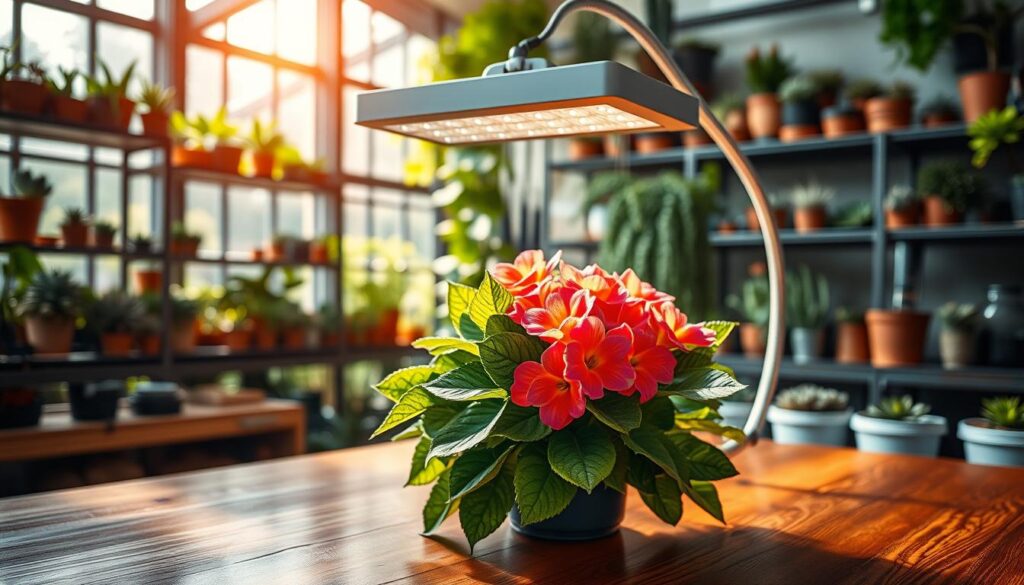
Perfect kalanchoe blooms are a secret. It’s all about a special trick called light manipulation. This method lets you control when your kalanchoe flowers, making it bloom on demand.
To force blooms, mimic natural light cycles. Kalanchoe plants are photoperiodic. They react strongly to light conditions. To make them bloom, create a fake winter.
At night, find a dark spot like a closet or cabinet. Make sure it’s completely dark. A little light can mess up the blooming.
To time your blooms right, count back six weeks from when you want them. Keep the plant warm and away from drafts. Also, water less since it’s dark.
Pro tip: Watch for tiny flower buds as a sign of successful light manipulation!
With patience and careful light control, you can have kalanchoe blooms when you want. This method lets you control when your plant blooms.
To keep your kalanchoe healthy and blooming, you need to take some steps. These plants are tough but need a little care to keep them going. A few simple maintenance tips can help them bloom longer and stay strong.
Kalanchoe plants do well with a little fertilizer. But, the right kind can make a big difference. Here are some tips for choosing the best fertilizer:
To get your kalanchoe to bloom more, use a low-nitrogen fertilizer in late winter. This helps the plant focus on making buds, not leaves. Make sure to dilute the fertilizer to half-strength to avoid harming the roots.
Deadheading is key to keeping your kalanchoe looking good and blooming. Here’s how to prune:
By pruning correctly, you help your kalanchoe focus on making more flowers. With the right care, your kalanchoe can bloom for up to six months. This will brighten your space with little effort.
Growing kalanchoe can be tricky for many plant enthusiasts. Understanding common pitfalls helps you keep these beautiful plants thriving and avoid unnecessary disappointment.
Many gardeners make critical errors when caring for kalanchoe that can quickly lead to plant failure. Kalanchoe propagation from leaves is not always the most reliable method, with stem cuttings typically producing better results.
One of the biggest mistakes is treating kalanchoe as a disposable plant. With proper care, these succulents can provide years of beautiful blooms. Expert horticulturists recommend understanding the plant’s specific needs before attempting kalanchoe propagation from leaves.
“Patience and consistent care are key to successful kalanchoe cultivation” – Plant Care Experts
Temperature management is crucial. Avoid exposing your kalanchoe to cold drafts or temperatures below 50°F, which can damage the plant and prevent future blooming. Proper fertilization and strategic pruning will help maintain plant health and encourage robust growth.
By avoiding these common mistakes, you can transform your kalanchoe from a temporary decorative plant to a long-lasting, vibrant addition to your indoor garden.
Kalanchoe plants can really change your indoor gardening game. They’re not just pretty decorations. They can bloom for up to six months and look great with the right care.
Starting with kalanchoe means learning how to grow them. You can use stem cuttings or water to make more plants. This way, you can keep your plants blooming all year long.
Success with kalanchoe needs patience and regular care. Knowing how to handle light and giving them breaks helps them thrive. Your hard work will pay off with a bunch of happy, colorful plants.
Try out different ways to grow and bloom your kalanchoe. Share your new plants with others to share the beauty. Your kalanchoe journey is just starting, and each plant can become a special part of your garden.
Mastered keeping plants alive? Try your hand at propagation! Kalanchoe is one of the easiest plants to multiply—here’s your complete guide.