Physical Address
304 North Cardinal St.
Dorchester Center, MA 02124
Physical Address
304 North Cardinal St.
Dorchester Center, MA 02124
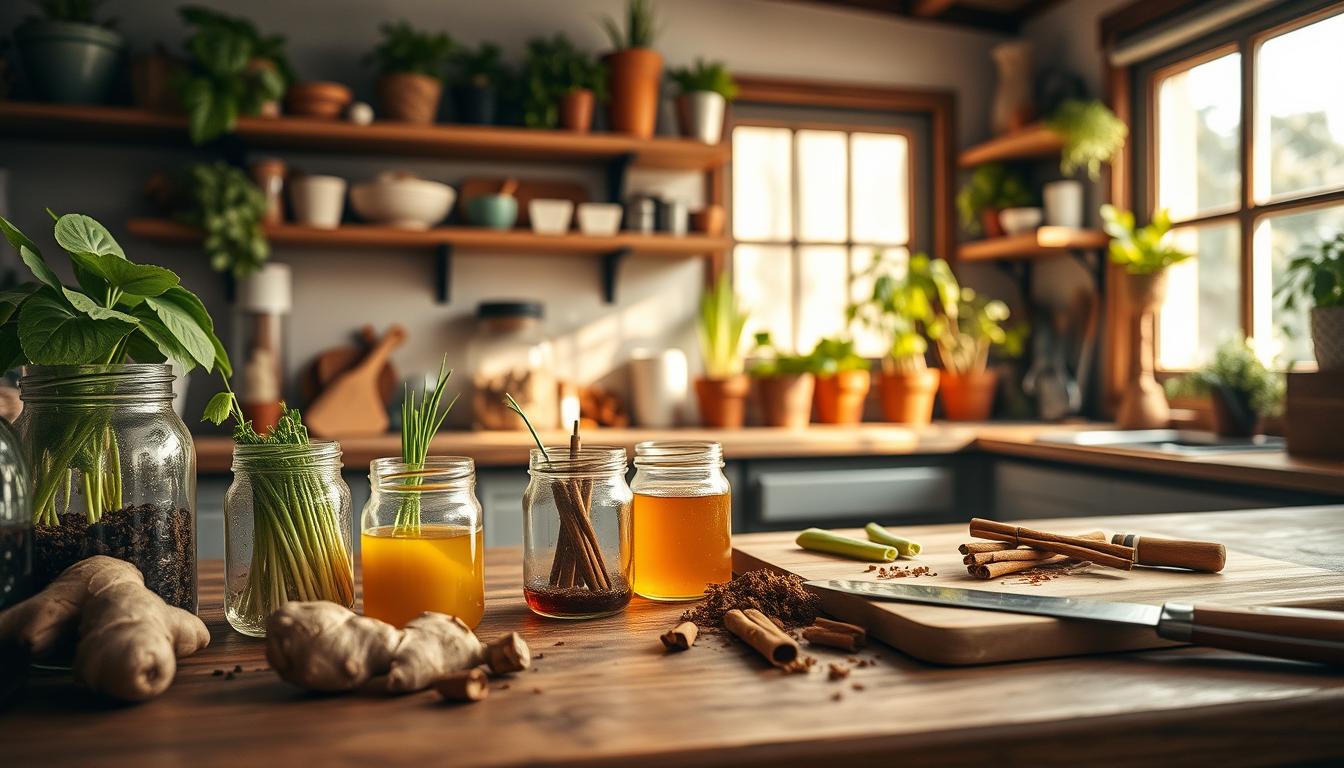
Homemade rooting hormone offers a natural solution. Ever looked at a beautiful plant and wished you could make more without spending a lot? Your kitchen might have the answer. It can turn plant propagation into a fun home gardening project. Plant lovers and gardening experts know how hard it is to get cuttings to grow roots.
Think about having a natural, affordable solution right in your kitchen. These DIY rooting hormones are not only cheap; they help plants grow faster. You’ll learn how simple kitchen items can change your plant growing game.
Plant propagation can be tricky, but rooting hormones can change your gardening game. These natural compounds help plant cuttings grow strong, healthy roots fast.
Rooting hormones are key for plant cuttings to grow roots. They send signals that start cell division and root growth. This boosts your chances of growing new plants.
Rooting hormones are plant chemicals that help new roots grow from stem cuttings. They have special growth helpers called auxins. These substances start the root growth process.
Auxins are key in plant growth. They help roots grow by making cells divide and grow. This is crucial for growing new plants.
Use rooting hormones for tough plants or when you need roots to grow fast. They’re great for woody plants, herbs, and ornamental cuttings.
| Plant Type | Rooting Difficulty | Hormone Recommendation |
|---|---|---|
| Softwood Cuttings | Easy | Low Concentration |
| Hardwood Cuttings | Challenging | High Concentration |
| Herb Cuttings | Moderate | Medium Concentration |
Plant propagation is all about understanding how roots grow. Natural rooting hormones are key to growing new plants from cuttings. They are backed by science, making them a reliable choice for plant reproduction.
Auxins are vital for root growth. These plant hormones help cells grow and start roots. Using natural rooting hormones gives your plants a boost of these growth helpers.
Science proves natural rooting hormones work well. They are better than synthetic options because they work with your plant’s biology. They help roots grow and keep cuttings safe from infections.
| Natural Rooting Hormone | Key Benefits | Biological Mechanism |
|---|---|---|
| Willow Water | High in auxins | Stimulates root cell expansion |
| Honey | Antimicrobial protection | Prevents infection during rooting |
| Coconut Water | Nutrient-rich growth support | Enhances cellular development |
Green gardeners love natural rooting hormones because they’re good for the planet. They’re a safe, effective choice for many plants, without harming the environment.
Plant propagation fans have found a natural rooting hormone. Willow water is a strong, green solution for growing roots. It’s a great alternative to synthetic chemicals.
Making willow water is easy and needs little gear. Here’s how to create your own natural rooting hormone:
You can soak your cuttings in willow water for up to 48 hours before planting. Or, you can plant them directly in the water. Research shows willow water has natural auxins that help roots grow.
| Plant Type | Rooting Difficulty | Willow Water Effectiveness |
|---|---|---|
| Herbs | Easy | Excellent |
| Softwood Cuttings | Moderate | Very Good |
| Hardwood Cuttings | Challenging | Limited Success |
Willow water works well for easy and some harder plants. But, it might not be as effective as commercial products for the toughest plants. The natural auxins in water are weaker than synthetic ones. Studies on olive cuttings confirm willow water’s benefits but also its limits.
Pro tip: Combine willow water with proper humidity and temperature control for optimal rooting success.
To encourage faster, stronger root growth on your water cuttings, add a natural rooting aid. Try one of these 5 easy DIY rooting hormones you can make from kitchen staples.
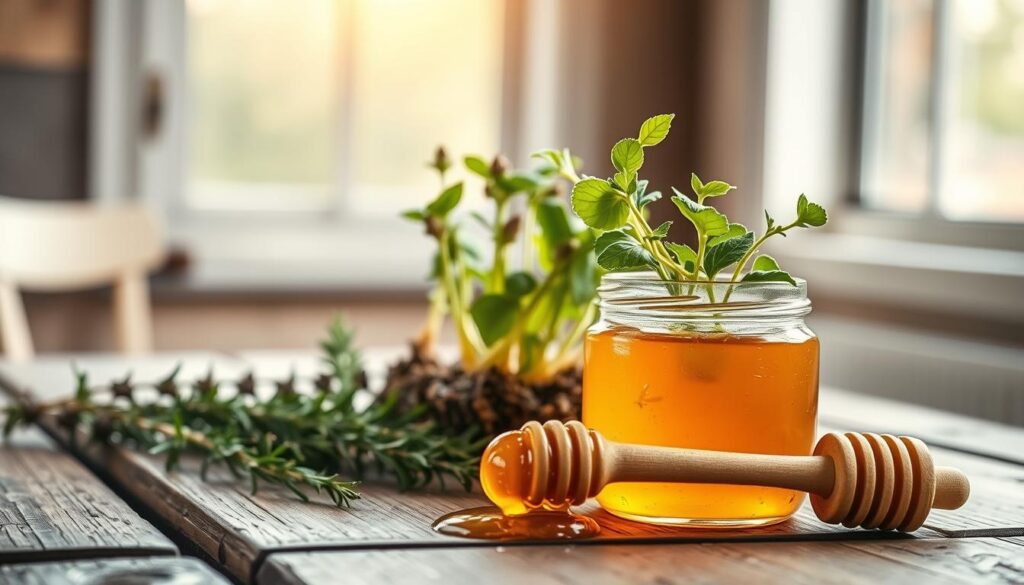
Gardeners and plant lovers have found a secret in their kitchens: raw honey. It’s not just for sweetening tea. It’s a powerful tool for growing plants. Dipping stem cuttings in raw honey before planting can boost root growth.
Research shows honey’s power as a rooting hormone. Unpasteurized honey is especially good at helping roots grow. It works better than store-bought honey or water for many plants.
But not all plants react the same to honey. Tropical hibiscus, for example, sees a bit less success:
| Treatment Method | Rooting Success Rate |
|---|---|
| Rooting Hormone | 44% |
| Raw Honey | 18% |
| Control Group | 11% |
To use honey for rooting, pick raw, unpasteurized honey. Its natural enzymes and nutrients are great for roots. Just put a thin layer of honey on the stem cutting before planting.
Pro tip: Always use fresh, high-quality raw honey for the best results in plant propagation.
Gardeners and plant lovers know aloe vera is more than a skin healer. It’s a powerful tool for growing plants. Aloe vera gel is great for boosting plant roots.
Getting aloe vera gel is easy. You need a healthy aloe plant and some basic tools:
Studies show aloe vera boosts root growth. Dipping cuttings in aloe vera gel helps plants grow better. The gel has nutrients and hormones that help roots grow fast and strong.
| Plant Type | Rooting Success Rate | Root Length Increase |
|---|---|---|
| Aspen Trees | 65% | 40% longer roots |
| Grapevine Cuttings | 75% | 35% increased root vigor |
To get the best results, follow these steps:
Using aloe vera gel in plant propagation is a natural, effective method. It supports strong root growth and plant health.
Gardeners seeking a natural rooting solution should try coconut water. This tropical liquid is full of nutrients that boost plant growth. Extracting fresh coconut water from mature coconuts gives your cuttings a strong root start.
Coconut water’s magic comes from its unique mix. It’s rich in minerals, vitamins, and growth helpers. This makes it perfect for rooting cuttings.
To use coconut water, follow these steps:
Pro tip: Tropical and hard-to-grow plants love coconut water. It’s great for plants that usually have trouble rooting.
Coconut water isn’t just a refreshing drink – it’s a powerful tool for plant propagation!
The liquid is packed with nutrients for more than just root growth. It gives a full growth boost to your cuttings. Coconut water is a natural, exciting choice for gardeners of all levels.
Gardeners and plant lovers have found a secret in their kitchens: pure cinnamon powder. It’s not just for cooking. It’s a strong tool for growing plants that protects and boosts root growth.
Cinnamon is a top choice for rooting plants because it fights off fungi. It’s a big help for those who have trouble with cuttings.
To use cinnamon as a rooting hormone, follow these simple steps:
Cinnamon does more than fight fungi. It can actually help stimulate your plants to produce more stems and overall growth. It’s perfect for beginners because it’s easy to use and always available.
It works best for succulents and plants that get fungal diseases. Using cinnamon with the right growing conditions helps plants grow well.
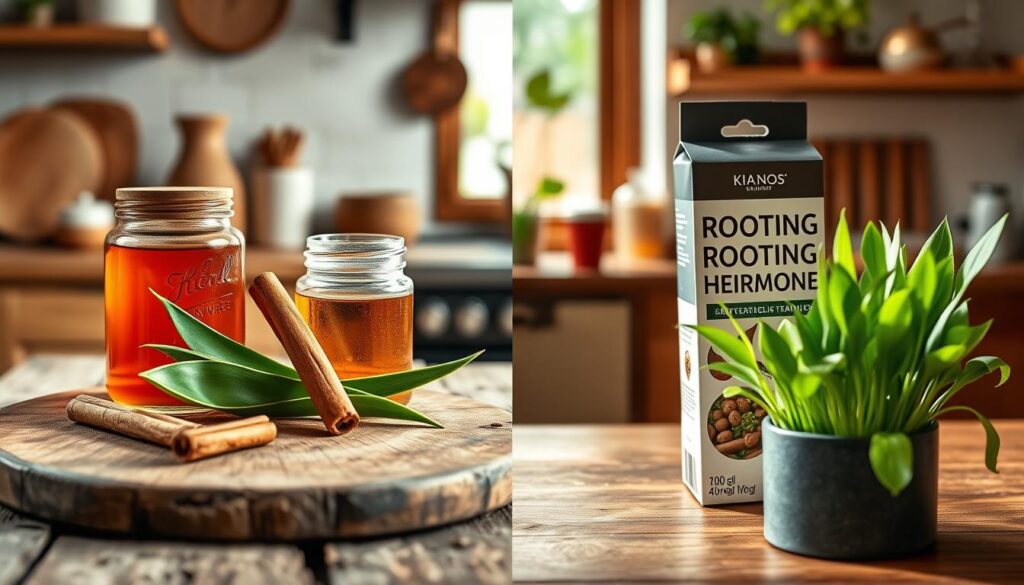
Gardeners have to choose between natural and commercial rooting hormones for plant propagation. Each option has its own benefits that can greatly affect your plant’s success.
Natural rooting hormones are more affordable. You can make them from kitchen items or garden plants. They offer several advantages:
Commercial rooting hormones have their own strengths:
Your choice depends on your goals. Natural options are best for:
Commercial products are better for:
Knowing these differences helps you make the right choice for successful plant propagation.
Plant propagation is an art that needs careful attention and knowledge of each plant’s needs. Whether you’re new to gardening or have lots of experience, learning the right techniques can greatly improve your success. This means growing new plants from cuttings more easily.
Different plants need different approaches for propagation. Some are very forgiving, while others need careful care and specific conditions to root well.
Not all plants do well with rooting hormones. Some species are naturally easy to propagate:
These plants usually root without extra hormone help. On the other hand, woody species are more challenging:
Successful propagation relies on several key environmental factors. Proper sunlight, humidity, moisture, and airflow are crucial for root growth.
| Environmental Factor | Optimal Conditions |
|---|---|
| Lighting | Bright indirect light (avoid harsh direct sun) |
| Soil | Well-draining, prevents waterlogging |
| Moisture | Lightly moist, never soggy |
| Humidity | Moderate, prevents desiccation |
When taking cuttings, use sterile, sharp tools and let cut ends callous over before planting. This helps prevent rot and supports healthy root growth. Also, timing is important – some plants root best when cuttings are taken in specific seasons.
By mastering these techniques, you’ll greatly improve your plant propagation success. You’ll be able to grow more plants with confidence.
Starting your journey in natural plant propagation opens a world of sustainable gardening. These homemade rooting hormones are very affordable, helping you grow your plant collection without spending a lot. You can use them for houseplants, herbs, or garden vegetables, boosting your success rates.
Success in plant propagation is about using the right rooting hormone and proper technique. Clean tools, the right growing conditions, and well-timed cuttings are key. Each natural rooting hormone has its own benefits, like willow water’s auxins or honey’s protection. Try different methods to find what works best for your plants and environment.
These natural solutions are good for the planet and safe for you and your plants. You probably have the ingredients in your kitchen. By using these organic methods, you save money and connect more with the process. Start your plant multiplication journey with confidence, knowing you have five natural methods to help you.
Remember, patience and practice are your best friends in plant propagation. Each cutting is a chance to learn and grow. Your new knowledge lets you create a thriving, sustainable garden with just what you have at home.