Physical Address
304 North Cardinal St.
Dorchester Center, MA 02124
Physical Address
304 North Cardinal St.
Dorchester Center, MA 02124

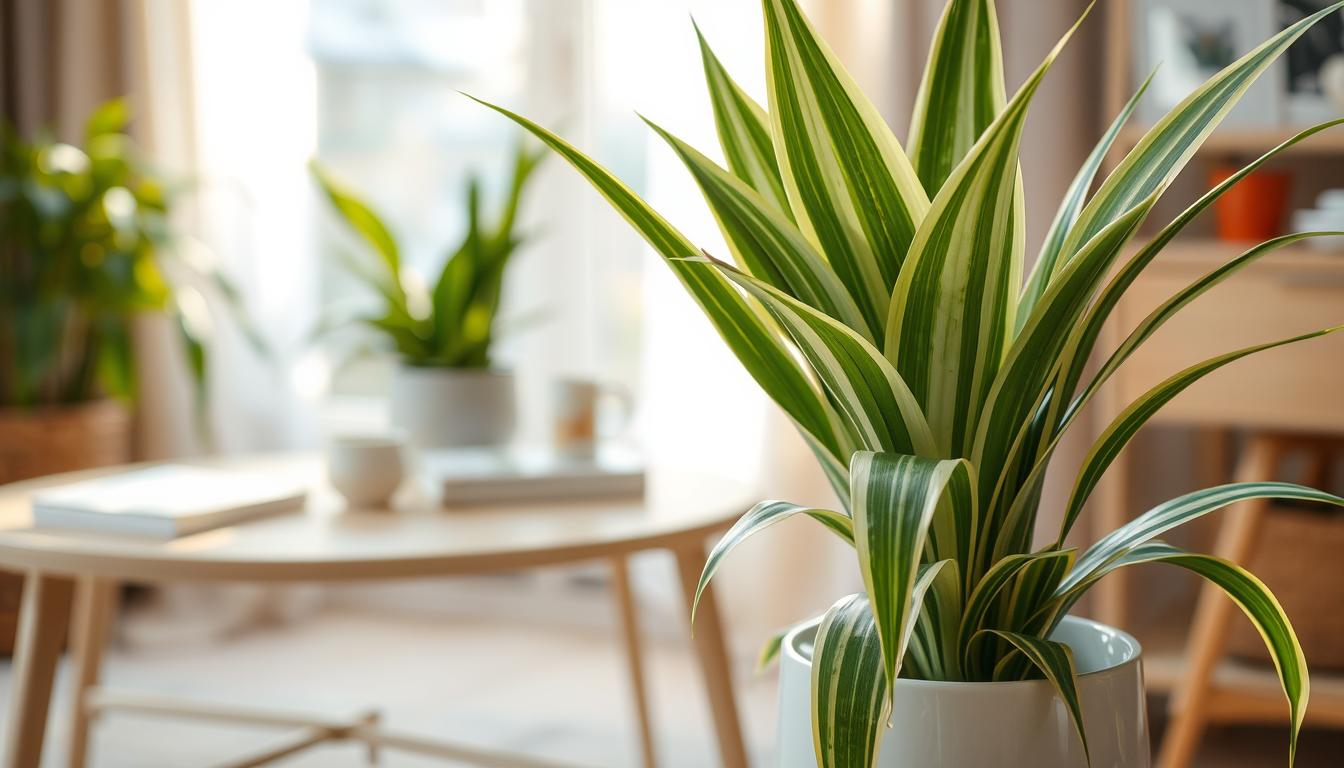
Dracaena warneckii care is the key to its vibrant health. Plant lovers know the joy of finding a special indoor friend. The Dracaena Warneckii is a standout with its striking white-striped leaves. It turns any room into a lively green oasis.
This houseplant is more than just a pretty face. It’s a living piece of art that brings life to your home. It’s perfect for anyone who wants to add some green to their space.
Dracaena Warneckii is loved for its easy care and beautiful look. It’s great for both new and experienced plant owners. This guide will help you learn how to care for this tropical beauty.
The Dracaena Warneckii is a stunning indoor plant that adds elegance and interest to any room. It has distinctive striped leaves and grows compactly. This makes it a favorite among houseplant lovers.
The Dracaena Warneckii comes from tropical Africa. It loves warm, humid places. Countries like Tanzania and Kenya are its home, where it grows in shaded forests.
This plant has long, sword-like leaves with white and green stripes. It grows 3-6 feet tall indoors, fitting well in many homes. Its upright growth adds a clean, modern look.
| Characteristic | Details |
|---|---|
| Height | 3-6 feet indoors |
| Leaf Color | White and green stripes |
| Growth Pattern | Upright, compact |
Dracaena Warneckii is mostly an indoor plant. But, it can grow outdoors in certain conditions. Place it in a shaded area or on a sheltered patio if it’s between 60-80°F. Keep it away from direct sunlight and cold drafts.
Knowing the right light for your Dracaena Warneckii is key. This beautiful plant needs specific light to thrive. It’s different from many houseplants.
Dracaena Warneckii loves bright, indirect light. Direct sun can harm its leaves, causing burns and color loss. The best spot is near a window with filtered light or a few feet from a bright one.
Your plant can handle less light, but it will grow slower. In darker places, the plant’s stripes might fade.
| Light Condition | Plant Response | Recommended Placement |
|---|---|---|
| Bright Indirect Light | Optimal Growth | Near east or west-facing window |
| Low Light | Slow Growth | Interior room with ambient light |
| Direct Sunlight | Leaf Damage | Avoid completely |
Pro tip: Rotate your Dracaena Warneckii every few weeks. This ensures even light and balanced growth.
Watering your Dracaena Warneckii right is key to its health. This beautiful houseplant needs the right amount of moisture, like its natural home. Knowing how much water it needs helps avoid problems like root rot or dehydration.
Your Dracaena Warneckii likes a regular watering schedule. This lets the soil dry a bit before you water again. Here’s a simple guide to keep your plant watered just right:
Not all water is good for your Dracaena Warneckii. It’s sensitive to chemicals and minerals in tap water. Here are some tips for better water quality:
“Consistent, thoughtful watering is the secret to a thriving Dracaena Warneckii.” – Plant Care Experts
Remember, too much water is worse than too little for this tough plant. Look out for signs of stress like yellow leaves or droopy stems. These can mean you’re watering too much.
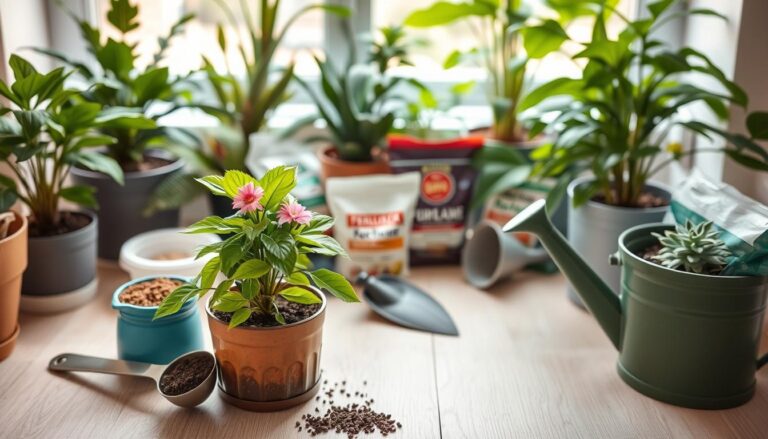
Your Dracaena Warneckii needs the right soil and nutrients to thrive. Choosing the perfect soil and fertilizer is key for a healthy, vibrant plant. It will show off its stunning striped leaves.
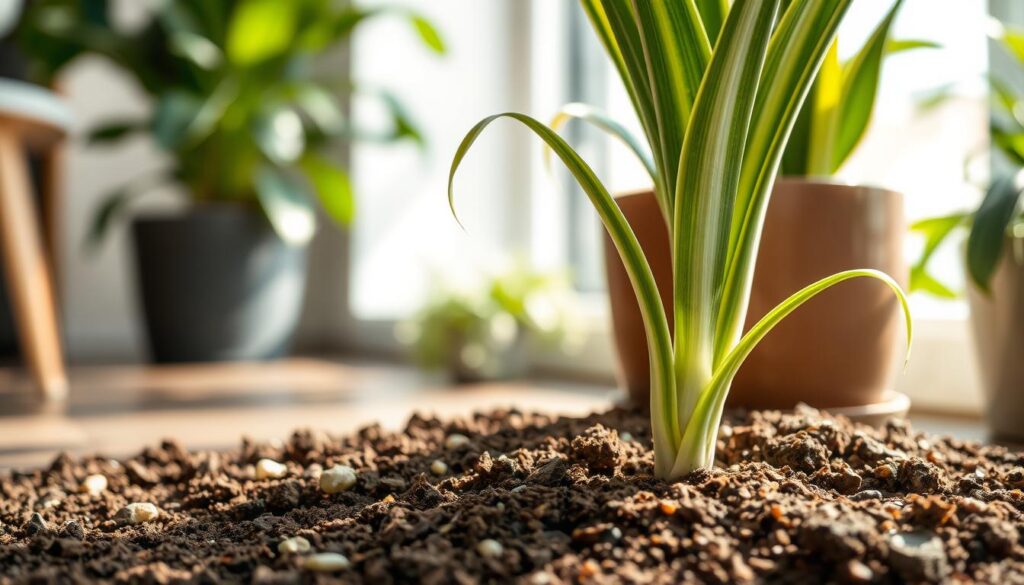
The ideal soil for your Dracaena Warneckii should drain well and be rich in organic matter. You’ll want a potting mix that feels like its natural home. It should have:
Pro tip: Stay away from heavy, compact soils. They can cause root rot and harm your plant’s roots.
For fertilizing your Dracaena Warneckii, follow these tips:
Don’t overfeed your plant. A light touch with fertilization will keep it healthy and beautiful.
Caring for your Dracaena Warneckii means knowing its temperature and humidity needs. This tropical plant does well in warm, humid environments. It’s a great choice for indoor gardens.
Your Dracaena Warneckii prefers temperatures between 65-80°F. This range is perfect for most homes. It gets stressed if it’s colder than 50°F.
So, keep it away from:
Dracaena Warneckii likes humidity levels between 40-60%. Here are ways to keep it humid:
| Humidity Method | Effectiveness |
|---|---|
| Humidity tray with water and pebbles | High |
| Run humidifier nearby | Very High |
| Group with other houseplants | Moderate |
| Mist occasionally | Low |
To keep humidity up, avoid placing your Dracaena near air conditioning vents, heaters, or drafty windows. These spots have dry air that can harm your plant’s leaves.
The **Dracaena Warneckii** was a top performer in NASA’s study, efficiently removing benzene, formaldehyde, and trichloroethylene. It’s a beautiful and functional choice.
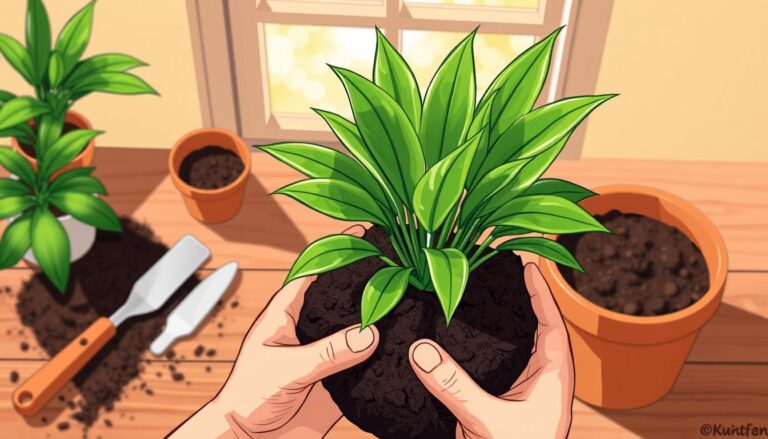
Knowing when to repot your Dracaena Warneckii is key for its health. Look for signs like roots poking out or slower growth. Also, if water runs through without being absorbed, it’s time to repot.
When repotting, follow these essential steps:
Pruning doesn’t need to be done often, but it’s good for your plant’s shape and growth. Lower leaves may turn yellow and fall as the plant grows. You can trim stems to keep the plant at a good height.
“Pruning is an art that keeps your Dracaena Warneckii looking its best and promotes healthy growth.” – Plant Care Experts
The best time to prune is in spring or early summer. This is when the plant is growing the most. When you cut stems, new shoots will emerge below the cut point. This helps keep your plant looking neat and healthy.
It’s easy to grow more Dracaena Warneckii plants. You can make new ones from your current healthy plant. This way, you can have more striped plants or share them with friends.
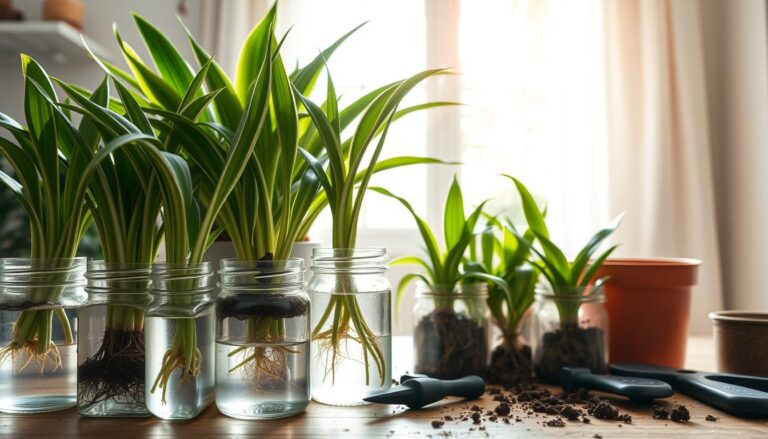
To grow a new Dracaena Warneckii, pick a healthy stem. Here’s how to do it:
You can use water or soil to grow your Dracaena Warneckii. Both methods have their benefits.
For water propagation, put the cutting in a jar with the bottom node down. Keep it in bright, indirect light and change the water often. Roots will show up in about two weeks. Then, move the cutting to soil when the roots are 1-2 inches long.
For soil, put the cutting in moist, well-draining soil with at least one node buried. Keep it humid and water it lightly to prevent rot. You’ll see new growth in a few weeks.
| Propagation Method | Pros | Cons |
|---|---|---|
| Water Propagation | Visual root development | Requires transfer to soil |
| Soil Propagation | Direct planting | Less visible root growth |
Pro tip: Spring and early summer are the best times to propagate. The plant is growing actively then.
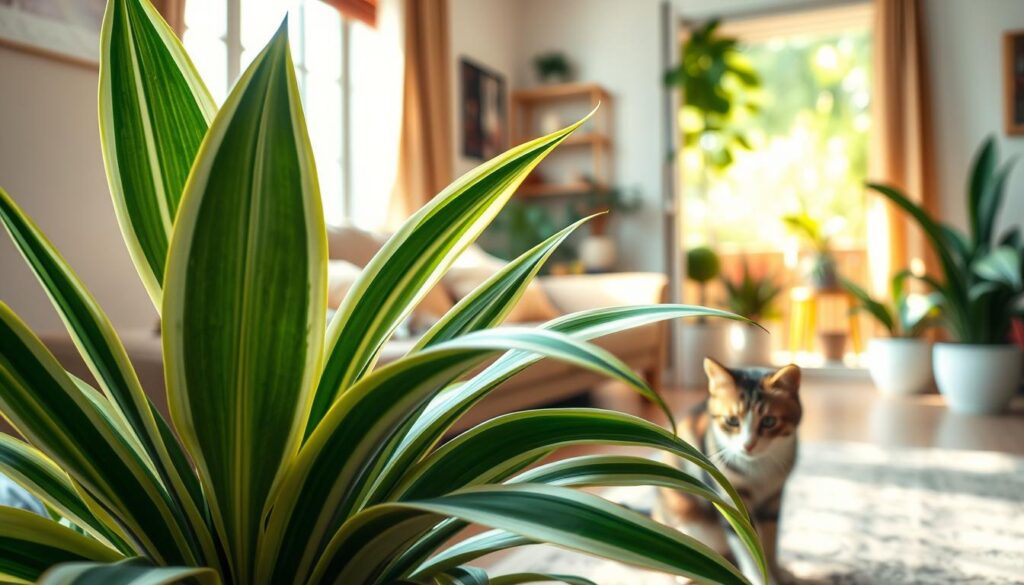
Dracaena Warneckii plants can be harmful to pets, especially cats and dogs. They contain toxic substances that can lead to serious health problems if eaten. Knowing the risks helps you keep your pets safe while still enjoying your plants.
To protect your pets, try these ideas:
If your pet eats part of the plant, act fast. Look out for these signs:
If you think your pet ate the plant, call your vet or the ASPCA Animal Poison Control Center right away. Tell them about the plant and how much your pet ate. Quick action can stop serious problems and keep your pet safe.
Prevention is always better than treatment when it comes to pet safety and toxic houseplants.
Caring for your Dracaena Warneckii can sometimes present challenges. Understanding the signs of distress and knowing how to address them will help your plant thrive in any indoor environment.
Yellowing leaves can signal several underlying issues in your Dracaena Warneckii. The key is to observe which leaves are changing color:
Water quality problems can also contribute to leaf discoloration. Tap water containing fluoride and salts may stress your plant. Low humidity, especially during winter heating season, can cause additional leaf damage.
Root rot is a serious concern for Dracaena Warneckii. Check root health by gently removing the plant from its pot:
Prevent root issues by avoiding inconsistent watering that allows soil to become bone-dry between waterings.
Preventive measures include:
Treat infestations using neem oil or insecticidal soap. Apply thoroughly to ensure complete pest elimination.
Your Dracaena Warneckii is more than a houseplant. It’s a stunning tropical friend that adds elegance to your home. To keep it thriving, give it bright, indirect light and keep the temperature between 65-80°F. Also, water it every 10-14 days, letting the top inch of soil dry out first.
Plant care is a journey, and your Dracaena Warneckii is perfect for beginners. The main things to remember are not to overwater, use filtered water, and keep humidity right. This guide has all the answers to any plant care questions you might have.
With the right soil and care, your Dracaena Warneckii will show off its beautiful leaves and unique shape. Each new leaf is proof of your growing skills as a plant parent. Enjoy the journey, trust the advice, and watch your plant grow and thrive.
Your dedication to your Dracaena Warneckii will create a special bond with nature in your home. Enjoy the learning, learn from each experience, and celebrate the green oasis you’re creating.