Physical Address
304 North Cardinal St.
Dorchester Center, MA 02124
Physical Address
304 North Cardinal St.
Dorchester Center, MA 02124

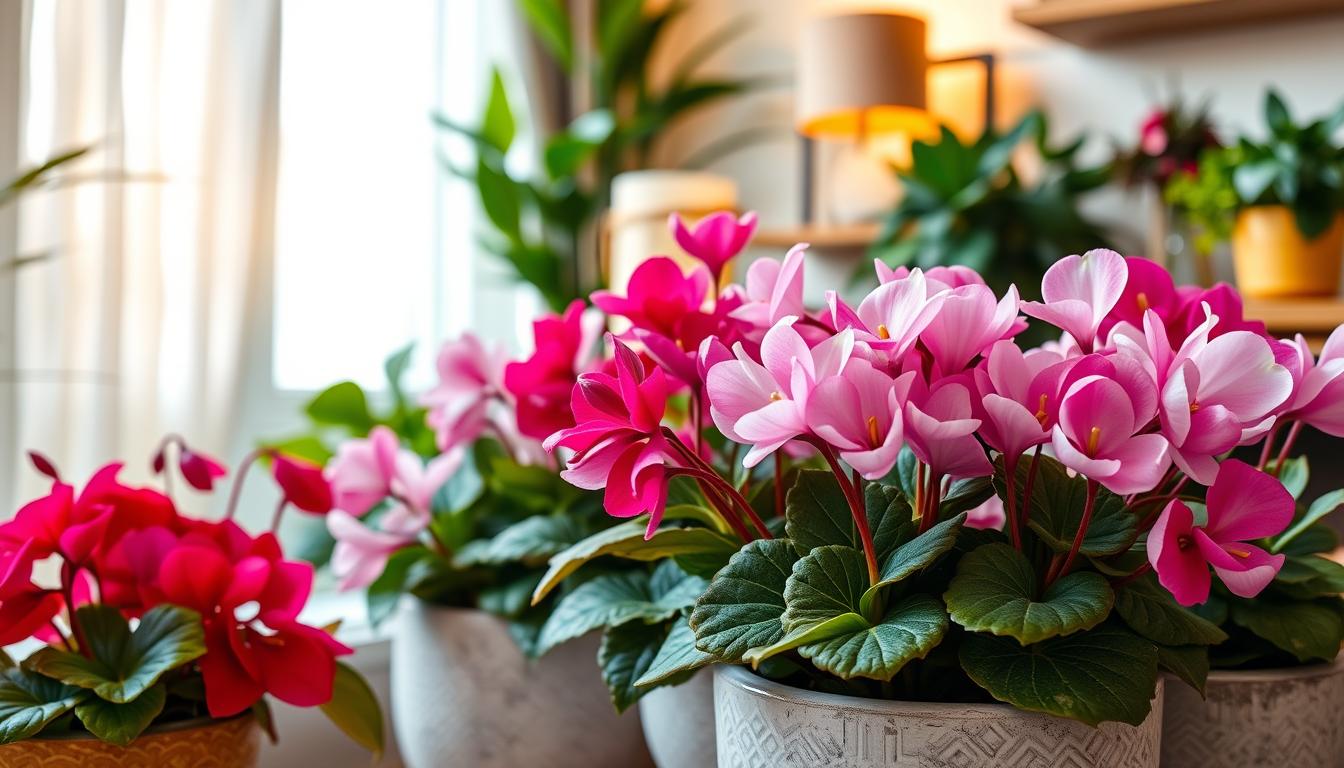
When gray winter days settle in, few plants brighten your home like cyclamen. Cyclamen care indoors is rewarding, as their vibrant, butterfly-like flowers dance above heart-shaped leaves with stunning silver patterns. These colorful beauties bring life to indoor spaces when most outdoor gardens sleep.
You’ll find these charming plants everywhere during late autumn. Garden centers, florists, and even grocery stores stock them. They’re perfect for holiday decorating and make wonderful gifts for Christmas or Valentine’s Day.
The best part? With the right attention, your cyclamen can bloom for months. Imagine having cheerful flowers from November through March. This guide shows you exactly how to make that happen.
We’ll cover everything from choosing healthy specimens to maintaining ideal conditions. You’ll learn to move beyond treating these as temporary seasonal decorations. Instead, you can enjoy them as long-lasting houseplants that return year after year.
The secret to cyclamen’s winter beauty lies in its Mediterranean origins and unusual rhythm. These plants evolved in regions with hot, dry summers and cool, rainy winters. This climate shaped their unique survival strategy.
You’ll most often encounter Cyclamen persicum in stores. This variety is specifically bred for container living. Often called florist’s persicum, it differs from hardy types that survive outdoors.
Your indoor specimen follows patterns from wild Mediterranean ancestors. It becomes active when temperatures drop in fall. This backward schedule explains why it blooms during colder months.
Don’t panic when leaves yellow in late spring. This signals normal dormancy beginning. The plant is simply resting during summer heat.
This dormant summer period mirrors natural Mediterranean conditions. Your cyclamen conserves energy in its tuber underground. Proper understanding helps you guide it through this natural cycle.
Recognizing these patterns prevents mistaken concern about plant health. The yellowing indicates biological rhythm, not problems. With correct handling, vigorous growth returns each fall.
Your plant’s location directly impacts its flowering performance. Three factors work together to maintain healthy growth.
Position your specimen near windows with filtered sunlight. Direct rays can damage delicate leaves.
South or west-facing rooms offer ideal exposure. North-facing windows often need supplemental lighting.
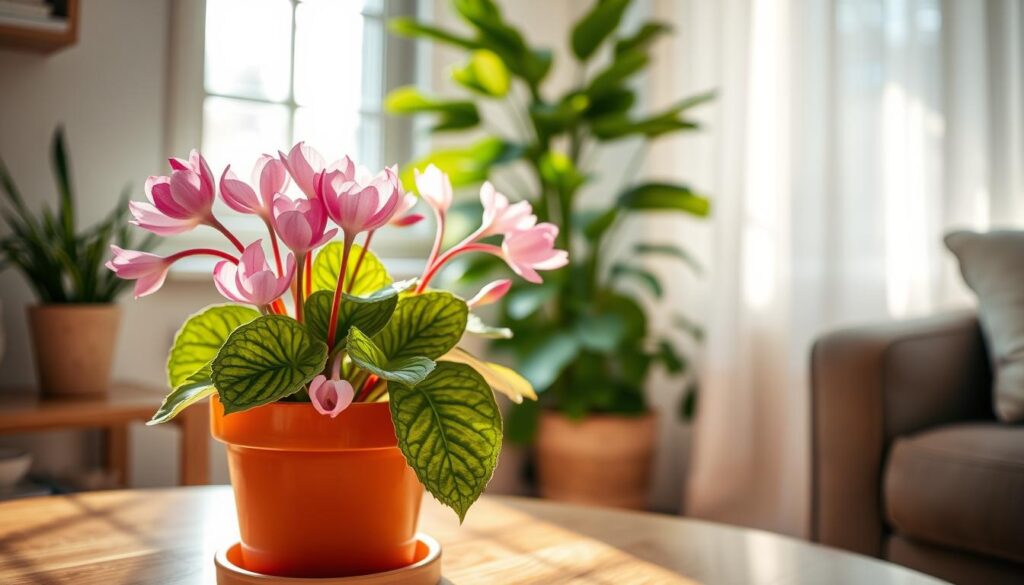
While it prefers bright, indirect light, it can be grouped with other winter-tolerant plants. Discover more options here.
Cool conditions between 50°F and 65°F promote continuous blooms. Avoid heat sources like radiators.
Higher readings above 68°F may trigger early dormancy. Use pebble trays to increase moisture in the air.
| Window Direction | Light Quality | Best Placement |
|---|---|---|
| South-Facing | Bright, indirect | Several feet from glass |
| West-Facing | Afternoon light | Filtered through curtain |
| East-Facing | Gentle morning sun | Directly on windowsill |
| North-Facing | Low intensity | Grow light required |
The best method involves placing the pot in a water-filled tray. Allow twenty minutes for thorough absorption.
Check moisture levels regularly by touching the surface. Water only when the soil feels dry to your touch.
Proper hydration prevents both drought stress and root rot.
Always use room-temperature water for best results. This approach keeps leaves dry while ensuring deep root hydration.
Proper potting techniques can make the difference between a thriving specimen and a struggling one. The right foundation supports vigorous development throughout the growing season.
Your plant’s health starts with quality soil. Use a well-draining potting mix like Miracle-Gro® Indoor Potting Mix to prevent root issues.
This special blend allows water to flow through easily. It keeps the tuber from sitting in moisture that causes rot.
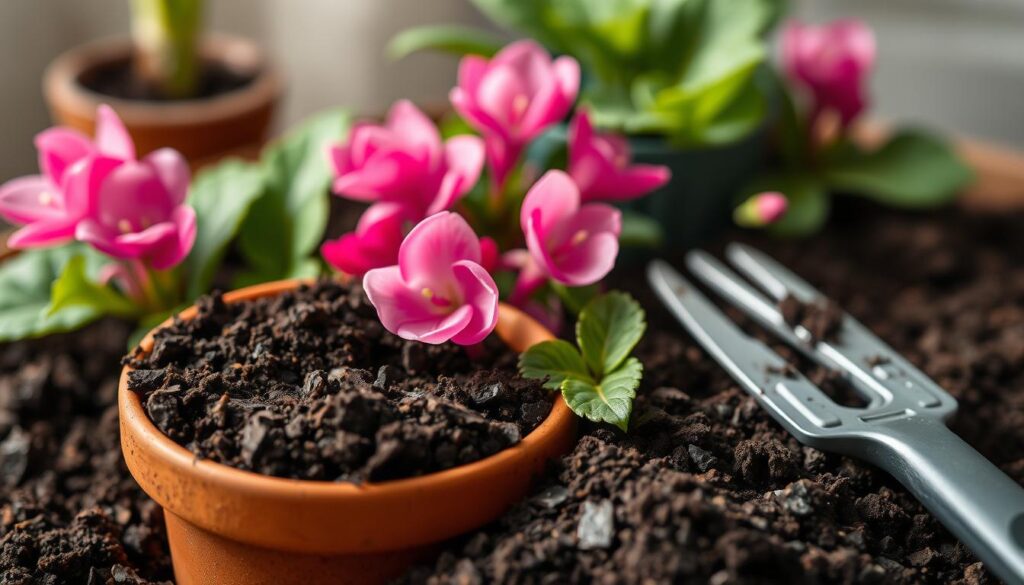
Timing matters when moving your plant to a new container. Early fall, around September, works best as new growth appears.
Select a pot only 1-2 inches larger than the current one. Terra cotta containers work well because they breathe.
Position the tuber correctly during repotting. Keep the top visible above the soil line to prevent crown rot.
| Container Type | Moisture Control | Best For |
|---|---|---|
| Terra Cotta | Excellent evaporation | Preventing wet soil |
| Plastic with drainage | Moderate control | Consistent moisture |
| Ceramic glazed | Less evaporation | Dry environments |
Check your florist cyclamen every 2-3 years. Repot when the tuber outgrows its space but avoid containers that are too large.
When your vibrant winter bloomer shows signs of distress, quick identification is key to recovery. Many issues stem from simple environmental factors that are easy to correct with proper diagnosis.
Yellowing leaves often signal overwatering or excessive warmth. Check if the soil feels soggy before adding more water. Move your plant to a cooler location if temperatures exceed ideal ranges.
When leaves turn yellow during active growth periods, it’s likely a care issue. However, yellowing in late spring may indicate natural dormancy beginning. Understanding this difference saves gardening time and prevents unnecessary treatments.
Wilting with drooping flowers suggests underwatering. Miniature varieties in small pots dry out quickly. Check soil moisture regularly to catch dryness early.
Common pests like scale, mealybugs, and spider mites can attack your houseplant. These insects cause leaves to turn yellow or dry out completely. Early detection makes treatment more successful.
Cyclamen mites are particularly troublesome despite being nearly invisible. Symptoms include curled leaf edges, wilting flowers, and dark discoloration. Isolate affected plants immediately to prevent spread.
| Pest Type | Visible Symptoms | Recommended Treatment |
|---|---|---|
| Spider Mites | Webbing, yellow spots | Neem oil spray |
| Mealybugs | White cottony masses | Alcohol swabs |
| Cyclamen Mites | Curled leaves, wilting | Hot water sprays |
| Aphids | Clustered insects | Insecticidal soap |
Remove dead flowers and leaves regularly to maintain plant health. This simple gardening practice reduces disease risk and encourages reblooming. Proper sanitation keeps your houseplant thriving for weeks longer.
For severe infestations, use hot water sprays around 110°F. Most pests cannot survive heat treatment. Combine with natural insecticides for comprehensive protection.
Understanding the natural dormancy-to-bloom transition transforms temporary displays into perennial performers. Your specimen follows a predictable yearly pattern that requires specific adjustments.
As spring arrives around April, flowering slows and leaves begin yellowing. This signals the start of the summer rest period. Reduce your watering schedule to light irrigation every two weeks.
Move your plant to a cool, shaded location for the summer months. A sheltered outdoor spot or basement works perfectly. Keep soil barely moist to prevent tuber dehydration.
Complete cessation of fertilization during this period is essential. The tuber conserves energy for the next growth cycle.
Proper dormancy management is the secret to year-after-year reblooming.
When temperatures cool in fall, watch for new growth emerging from the tuber. This typically occurs around September. Refresh the soil and inspect for pests before returning to active maintenance.
| Season | Watering Frequency | Light Requirements | Fertilization |
|---|---|---|---|
| Spring Transition | Every 2 weeks | Shaded location | None |
| Summer Dormancy | Light moisture only | Cool, dark area | Complete stop |
| Fall Reactivation | Resume normal schedule | Bright, indirect light | Half-strength every 2-3 weeks |
| Winter Blooming | Regular monitoring | Bright, cool location | Consistent feeding |
Resume normal watering and begin feeding with diluted fertilizer. Use a balanced formula or Miracle-Gro® Blooming Houseplant Food every 2-3 weeks. This schedule supports vigorous blooms throughout the fall and winter months.
With these seasonal adjustments, you can maintain beautiful flowers year after year. The cycle becomes a rewarding rhythm rather than a challenge.
Your journey with these stunning winter bloomers can extend far beyond a single season with the right approach. By applying the techniques covered—bright indirect light, cool room temperatures, and proper watering when the soil feels dry—you transform temporary displays into lasting indoor garden additions.
Remember the natural seasonal rhythm of your plant. The dormant summer period is normal and manageable. With attention to details like pot selection and well-draining potting mix, your florist specimen returns each fall with vigorous blooms.
Important safety note: All parts of these plants are toxic to pets. Keep them in a spot away from curious dogs and cats.
You now have the knowledge to recognize when your plant needs water and when yellowing leaves signal dormancy versus problems. These valuable houseplants reward your attention with months of beautiful flowers season after year.