Physical Address
304 North Cardinal St.
Dorchester Center, MA 02124
Physical Address
304 North Cardinal St.
Dorchester Center, MA 02124

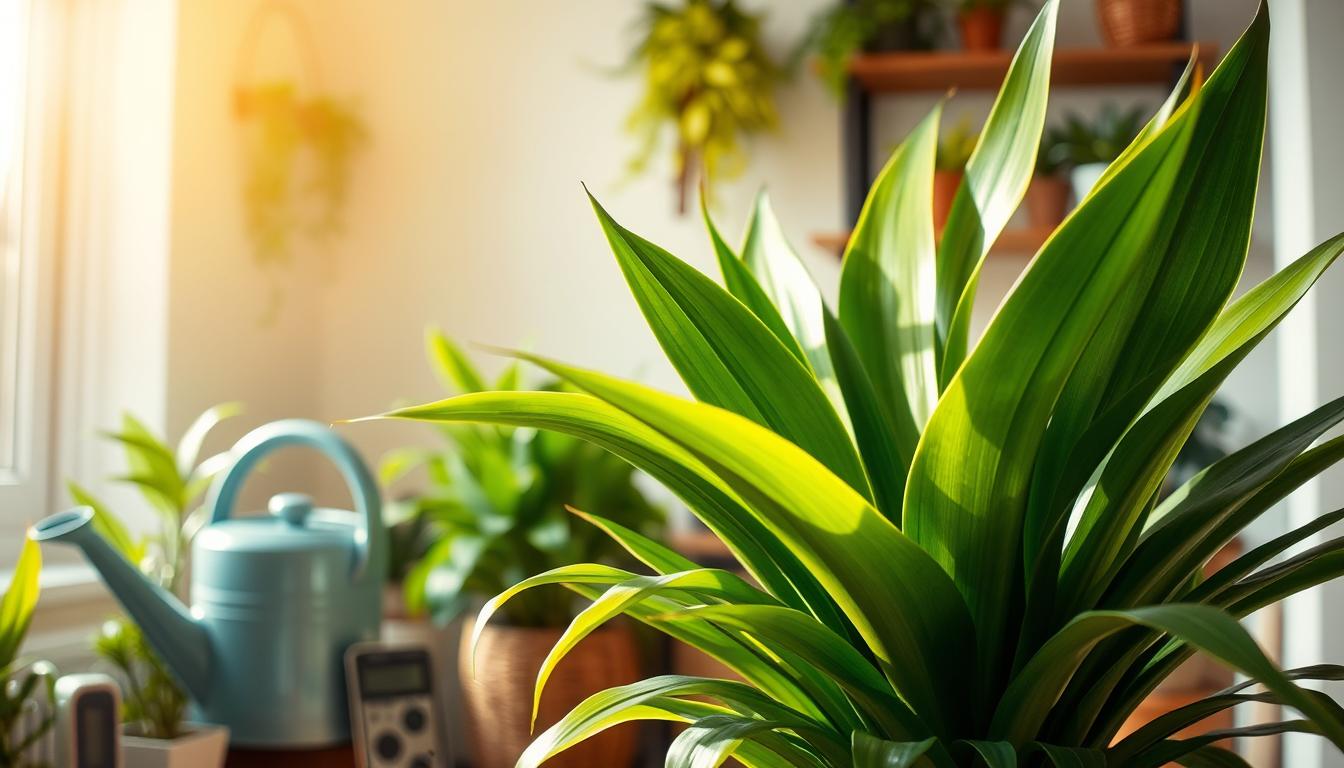
Imagine you’ve been caring for your dracaena for months. It’s been growing well in your home. But when summer comes, you start to worry. You’re not sure if you’re watering it enough or too much.
The warmer days make you question your watering routine. The longer sunlight hours make you wonder about the bright windowsill. If this sounds like you, you’re not alone.
Dracaenas are tropical plants from Africa, Asia, and Central America. They’re known for being hard to kill. Their low-maintenance nature makes them popular among plant lovers. But summer changes how your dracaena reacts to its environment.
When the seasons change, your dracaena care routine needs to adjust. Summer’s heat, longer days, and changing humidity levels are different from spring. Knowing these changes helps you avoid common summer problems like leaf scorch and overwatering stress.
The good news is that dracaena summer care is simple. Just a few adjustments to your watering and light can make a big difference. Your tropical beauty will thrive when you care for it right for summer. This guide will show you how to adjust your care for a healthy dracaena all season long.
Dracaena plants add a touch of tropical beauty to your home with little effort. They have long, spear-shaped leaves that grow from thick stems. The name “dracaena” comes from Ancient Greek, meaning “female dragon,” due to the red resin in their stems. Knowing your dracaena helps you care for it better, especially during summer.
In their natural habitats, dracaena plants can grow up to 20 feet tall. But indoors, they usually stay under 8 feet, fitting well in most homes. They are easy to care for because they can handle different light conditions and grow slowly.
Dracaena plants are special because of their unique structure and adaptability. Their thick stems add a distinctive look to any room. Unlike many tropical plants, dracaenas can handle drought and varying light levels well.
These plants grow slowly, so you won’t need to repot them often. They can also handle indoor air conditions and bounce back from neglect. This makes them perfect for beginners who might forget to care for their plants sometimes.
There are many dracaena varieties that do well indoors. Each adds its own beauty to your space:
While all varieties need similar care, some have specific preferences. Darker-leaved varieties like ‘Janet Craig’ can handle lower light better because they have more chlorophyll. Knowing this helps you pick the right variety for your home and adjust your care accordingly.
Remember, dracaena plants are toxic to dogs and cats because they contain saponins. Keep them out of your pets’ reach and place them on high shelves or in rooms your animals can’t get into.
Summer is a big change for your dracaena. It moves from a quiet rest to an active growing season. This change means your plant needs more care and attention.
Dracaena care in summer is crucial. Longer days and warmer weather make your plant grow faster. It needs more water and nutrients to support this growth.
Summer temperatures can affect your dracaena. It prefers temperatures between 70°F and 80°F. When it gets hotter, the soil dries out faster, so you need to water it more often.
The sun’s rays get stronger in summer. While your dracaena likes bright light, direct sunlight can scorch its leaves. Air conditioning also makes the air dry, which your plant doesn’t like.
| Summer Factor | Impact on Your Dracaena | Your Plant’s Response |
|---|---|---|
| Higher Temperatures | Soil dries faster, increased water uptake | Grows more rapidly, needs more water |
| Longer Daylight | More photosynthesis opportunity | Active growth mode, new leaf production |
| Intense Sunlight | Risk of leaf scorch, color fading | Moves toward light source, needs protection |
| Lower Humidity | Moisture loss from leaves increases | Brown tips may develop on foliage |
| Active Growing Season | Nutrient demand increases significantly | Benefits from monthly fertilization |
Your dracaena prefers temperatures between 70°F and 80°F. Summer heat can be too much. If it gets too hot, your plant may slow down or get brown leaves. Cold temperatures can also harm it, causing stress and leaf drop.
In summer, your dracaena grows faster. It needs more water and food to keep up with this growth. This means you need to water and feed it more often.
Knowing how summer affects your dracaena helps you care for it better. By adjusting your care routine, you can help your plant thrive. The next sections will guide you on how to adjust light, water, humidity, and nutrients for your dracaena’s summer care.
Summer changes how much light your home gets. The sun is higher and stronger. You need to change how you care for your dracaena indoors during this time. The spot that was perfect in winter might now be too sunny for your plant.
Dracaenas love bright, indirect light but can’t handle too much direct sun. In summer, the afternoon sun can burn your plant’s leaves. But, with a few easy changes, your dracaena can do well even in the hottest months.
Direct sunlight in the afternoon can scorch dracaenas. You’ll see brown, crispy spots on the leaves. If your plant’s colors are fading, it’s a sign too.
Move your plant a few feet back from windows that face south or west. This helps a lot. Sheer curtains can also soften the sun’s rays. East-facing windows are better because they get gentler morning light.
The best spot for your dracaena is near bright, indirect light. Place it next to north or east-facing windows. It should see the sky but not get direct sun.
For south or west-facing windows, keep your plant a few meters back. This protects it from strong afternoon sun. If your home is dark, grow lights can help. Enough light keeps your dracaena growing well and looking good.
| Window Direction | Summer Placement | Protection Method |
|---|---|---|
| North-Facing | Directly beside window | No protection needed |
| East-Facing | Directly beside window | No protection needed |
| South-Facing | Several feet away | Sheer curtains recommended |
| West-Facing | Several feet away | Sheer curtains essential |
Check your plant’s spot every day in summer. If you see fading or brown spots, move it. Your dracaena will tell you if it’s in the right place. Paying attention to light helps your plant do well all summer.
Summer brings warmer weather and longer days, making your dracaena grow faster. It needs more water than in winter to stay healthy. Knowing how to water your dracaena in summer is key to avoiding problems.
Check the soil moisture before watering. Don’t just water based on a calendar. Use your finger to test the soil. Water when the top inch feels dry. Some plants might need water weekly, while others might need it more often.
Water thoroughly until water flows out of the pot’s holes. This makes sure the roots get moisture. Let the soil dry out before watering again. Dracaenas can handle some drought, but too much water is worse.
Your dracaena will show signs when it’s thirsty. Look out for these:
Acting fast helps your plant recover. Dracaenas bounce back quickly after a little drought.
Too much water is bad for your dracaena. It can cause root rot and fungal infections. Watch for these signs of too much water:
| Overwatering Sign | What to Look For | Action to Take |
|---|---|---|
| Yellowing Leaves | Yellow leaves with soft, mushy texture | Reduce watering frequency immediately |
| Mushy Stems | Stems feel soft and decay from the base | Repot into fresh, dry soil and trim damaged areas |
| Sour Soil Smell | Unpleasant odor from the soil | Remove plant from pot and inspect roots |
| Brown Leaf Tips | Brown edges with yellow halos | Use filtered or distilled water instead |
The water you use is important. Dracaenas don’t like fluorides and salts in tap water. These can harm your plant. Use rainwater, distilled water, or let tap water sit overnight to remove chlorine.
Remember that plants receiving higher light need more frequent watering. Outdoor plants need even more care, especially in hot or windy weather. Check the soil often when it’s very hot. Being consistent is more important than being perfect with watering in summer.
Getting the basics right is key for your dracaena plant care. Your plant needs the right soil, a proper pot, and regular care to thrive indoors. These steps help your plant stay healthy all year, especially in summer when it grows fast.
Summer brings longer days and higher temperatures, which means your Dracaena’s needs shift. Learn exactly how to adjust your watering routine and light exposure with our simple summer care guide.
Your dracaena needs the right soil to grow well. It does best in well-draining, slightly acidic potting mix that keeps water away from roots. You can use a peat-based mix or make your own with potting soil, peat moss, and perlite.
Soil pH is important too. Your dracaena likes a slightly acidic environment with a pH between 6.0 and 6.5. This helps it absorb nutrients better, leading to healthier leaves and stronger growth in summer.
Dracaena leaves attract dust easily. Dust blocks light and air exchange. Cleaning leaves is crucial in summer when your plant gets more light.
You can clean your dracaena in two ways:
Clean your dracaena every two to three weeks in the growing season. Plants in low light need more frequent cleaning since they can’t handle dust as well.
Repotting is part of your dracaena care routine, but these plants prefer being slightly root-bound. Repot every 2 to 3 years, best in early summer when growth is most active.
| Repotting Factor | Best Practice | Why It Matters |
|---|---|---|
| Pot Material | Terracotta or unglazed ceramic | Allows soil to dry properly between waterings |
| Pot Size | One inch larger on each side than current pot | Prevents excess wet soil that causes root rot |
| Drainage Holes | Essential in all pots | Water must drain freely to protect roots |
| Repotting Frequency | Every 2-3 years | Dracaenas stay healthier when slightly root-bound |
Even without full repotting, refreshing your dracaena’s soil yearly is beneficial. Remove the top 2 to 3 inches of old potting mix and replace it with fresh soil. This keeps nutrients flowing without the stress of repotting.
Do this in early spring or summer. Your plant will grow stronger and take up nutrients better during the growing season.
These key dracaena care practices lay the groundwork for a successful summer. With proper watering, light, clean leaves, the right soil, and smart repotting, your dracaena will thrive year after year.
Dracaena care in summer means watching humidity levels closely. These plants thrive in moist air, preferring 50-60% humidity. But, air conditioning dries out the air, making it hard to keep humidity right.
When it’s hot, air conditioning works hard to cool your home. This process dries out the air, making it hard for your plant. Catching this problem early helps prevent stress in your plant.
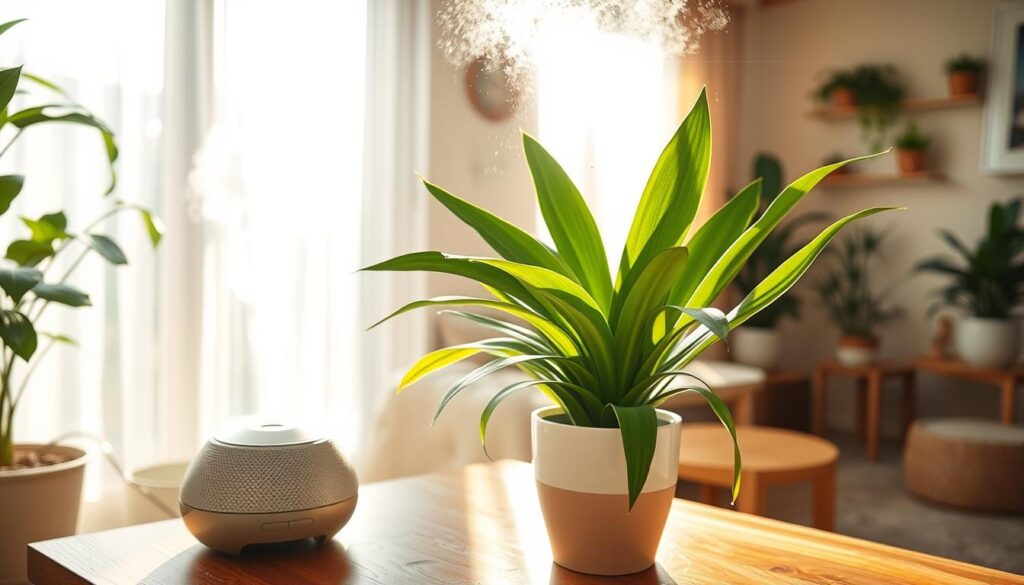
Dracaena plants grow well in the right humidity. There are ways to add moisture to your plant’s space during summer.
Using a humidifier with a pebble tray is the best way to keep your dracaena happy in summer.
Brown tips on leaves are common in summer. This means your plant needs more moisture. Dry air and fluoride in tap water can damage leaves. Air conditioning makes this worse by drying out your home.
| Humidity Level | Dracaena Response | What You’ll See |
|---|---|---|
| Below 30% | Stressed | Brown leaf tips, crispy edges |
| 30-50% | Tolerant | Healthy growth, occasional browning |
| 50-60% | Thriving | Vibrant foliage, no brown tips |
| Above 60% | Excellent | Lush, full growth during summer |
Trimming brown tips can make your plant look better. But, the real fix is to improve humidity and water quality. Use filtered or distilled water to avoid fluoride.
Don’t put your dracaena near air vents or open windows in summer. These spots are too dry for your plant. Check your plant’s leaves every week. If you see brown tips, it’s time to increase humidity. Moving your plant to a bathroom or kitchen can help quickly. Keeping humidity right will keep your dracaena healthy and looking good all summer.
Summer is the best time for your dracaena to grow. It’s when your plant makes new leaves and gets taller. This is the perfect time to give it extra nutrients.
Dracaenas don’t need a lot of food to survive. But, they will do better with the right amount of nutrients in the warm months. Feed your dracaena once a month from spring to summer to help it grow strong and green.
Choosing the right fertilizer is important. Pick a balanced, water-soluble houseplant fertilizer with a 10-10-10 or 20-20-20 NPK ratio. Make sure to dilute it to half the recommended strength. This way, you avoid harming your plant with too much fertilizer.
Here are some tips for fertilizing your dracaena in summer:
Watch out for these signs that you’re giving your dracaena too much fertilizer:
| Problem Sign | What It Means | How to Fix It |
|---|---|---|
| Brown leaf tips and edges | Salt accumulation from excess fertilizer | Flush soil with water; reduce feeding frequency |
| White crusty buildup on soil surface | Mineral salt deposits | Remove top soil layer; water more frequently |
| Wilting despite adequate watering | Root damage from concentrated nutrients | Repot with fresh soil if severe |
Remember, it’s better to give your dracaena a little less fertilizer. Good care means knowing your plant’s needs and avoiding too much food in summer.
Your dracaena can enjoy the outdoors during warm months. It gets fresh air, natural light, and better humidity. But, moving it outside needs careful planning and the right climate.
This transition works best when nighttime temperatures are above 55°F. If you live in USDA zones 10-11, your plant can stay outside all year. Knowing how to move your plant safely protects it from stress and damage.
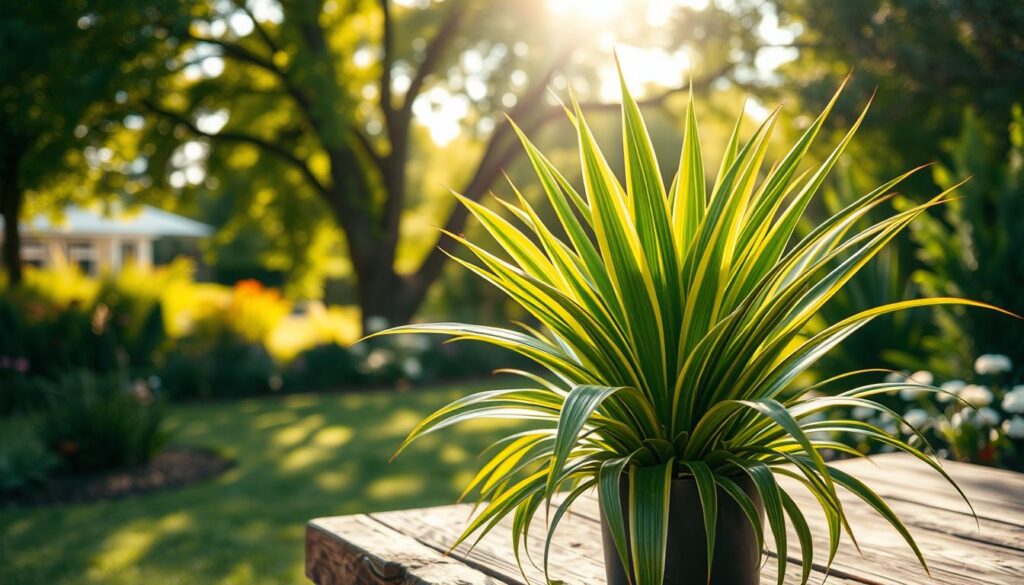
Moving your dracaena from indoors to outdoors needs gradual steps. Start by placing it in a shaded spot for just one or two hours. Increase outdoor time slowly over 7-10 days.
This slow adjustment prevents leaf drop and sunburn. Your dracaena needs time to adapt to wind, temperature changes, and different sunlight quality.
Outdoor conditions dry out soil much faster than indoor spaces. Wind, heat, and stronger light cause water to evaporate quickly. You may need to water your plant daily during hot weather instead of your regular weekly dracaena care indoors schedule.
Check the soil every day to keep it moist but not soggy.
Pick a spot with filtered sunlight or partial shade for your dracaena summer care routine. Place your plant under covered patios, porches, or beneath tree branches that block harsh afternoon sun. Morning sun exposure works well for dracaenas. Strong afternoon rays can burn the leaves.
Set a calendar reminder to bring your plant indoors when fall arrives. Move your dracaena back inside before nighttime temperatures drop below 55°F. Cold temperatures damage these tropical plants seriously. With proper protection and planning, your dracaena will thrive during its summer outdoor vacation.
Summer brings warm weather that helps your dracaena grow. But it can also cause unexpected problems. Heat and humidity changes stress plants in ways you might not expect. Learning to spot issues early keeps your dracaena plant care on track and prevents small problems from becoming big ones.
Understanding what’s normal and what needs attention saves you time and worry. Your dracaena naturally sheds its oldest leaves as new growth emerges. This is healthy plant behavior, not a sign of trouble. New leaves at the top should look vibrant and green. If only older lower leaves turn yellow and drop, your plant is likely just growing naturally.
Summer heat can create stress that weakens your plant’s defenses. Pests love stressed dracaenas. Keep an eye out for these common summer invaders:
Caught early, these pests respond well to simple dracaena care steps. Rinse your plant with lukewarm water from the shower. For stubborn pests, dip a cotton swab in rubbing alcohol and wipe affected areas. Apply insecticidal soap every seven to ten days until pests disappear completely.
| Summer Problem | What It Looks Like | Main Causes | Quick Fix |
|---|---|---|---|
| Brown, Crispy Leaf Tips | Dry brown edges on otherwise green leaves | Low humidity, fluoride in water, too much fertilizer | Mist leaves daily, use filtered water, reduce fertilizer amount |
| Scorched Leaves | Brown, papery patches on leaf surface | Too much direct sunlight exposure | Move plant away from harsh afternoon sun to bright indirect light |
| Yellow Leaves with Wet Soil | Yellowing leaves, mushy stems, soil stays wet | Overwatering, poor drainage | Let soil dry out between waterings, check drainage holes |
| Drooping, Wilted Leaves | Leaves look limp and sad, soil feels dry | Underwatering, temperature stress | Water thoroughly, check for heat exposure, increase humidity |
| Fungal Leaf Spot | Dark spots with yellow halos on leaves | Overly moist soil, poor air circulation | Remove affected leaves, improve air flow, reduce watering |
Watering mistakes happen to every plant parent. Summer’s variable conditions mean you can’t follow the same fixed schedule year-round. Check your dracaena’s soil more frequently during hot months. Stick your finger one inch into the soil. If it feels dry at that depth, water thoroughly until it drains from the bottom. If soil still feels moist, wait a few more days.
Overwatering causes more problems than underwatering in dracaena plant care. Soggy soil invites fungal disease and root rot. Your plant’s roots need oxygen that wet soil blocks. The soil should dry out somewhat between waterings. Summer heat speeds up water evaporation, but air conditioning indoors slows it down.
Brown leaf tips that look different from scorched areas often signal humidity problems. Dracaenas appreciate moisture in the air. Mist your plant every few days with a spray bottle. You can also place your pot on a tray with pebbles and shallow water. The water doesn’t touch the pot bottom, but evaporation raises humidity around your plant. Group plants together to create a more humid microclimate.
Stressed plants attract pests like magnets. Plants receiving poor light, inconsistent watering, or wrong humidity levels lose their natural defenses. The best pest prevention is solid dracaena care. Give your plant bright indirect light, water when the top inch of soil dries out, and maintain reasonable humidity. A healthy plant resists pest problems on its own.
Summer is the best time to shape your dracaena and make new plants. Your plant grows fast during warm months. This is the perfect time for trimming.
Pruning in summer makes your dracaena grow fuller and faster. This section will guide you on how to keep your plant healthy and make new ones.
Pruning your dracaena isn’t necessary for health, but summer is the best time. You can control its height by cutting the main stem. This will make it bushier.
Here’s how to trim correctly:
Clean cuts heal fast and prevent fungal issues. Removing dead leaves makes your plant look better and stay fresh.
Creating new plants from your dracaena is easy and rewarding. Summer’s warmth and long days help roots grow faster, making it the best time to propagate.
Here’s how to propagate:
New roots will appear in three to four weeks. For water propagation, change the water weekly to prevent bacterial growth. Once roots are several inches long, move your cutting to soil.
Even bare stem sections without leaves will produce new plants. Your original dracaena care indoors efforts reward you with fresh growth where cuts were made, letting you reshape your plant while starting fresh specimens.
Summer dracaena plant care is simple. You know what your plant needs in the warm months. Bright indirect light keeps it safe from too much sun. Regular watering helps it grow fast.
Monthly fertilizing boosts new leaf growth. These easy steps make a big difference in caring for your dracaena in summer.
Your dracaena is easy-going and tells you what it needs. It doesn’t need strict schedules. Every home is different, so watch how your plant reacts to these changes.
If leaves droop, it’s time to water more. If tips turn brown, add humidity. Listen to your plant and don’t worry about perfect timing.
The hard work you put into summer care will pay off. Your dracaena will grow strong and look beautiful. It will get healthier and more resilient every year.
As fall comes, slowly change back to winter care. Water less as it gets cooler. Stop fertilizing when growth slows. Move outdoor plants inside before it freezes.
Your dracaena will rest, ready for the cooler months. You’ve built a strong foundation for your plant to thrive all year.