Physical Address
304 North Cardinal St.
Dorchester Center, MA 02124
Physical Address
304 North Cardinal St.
Dorchester Center, MA 02124

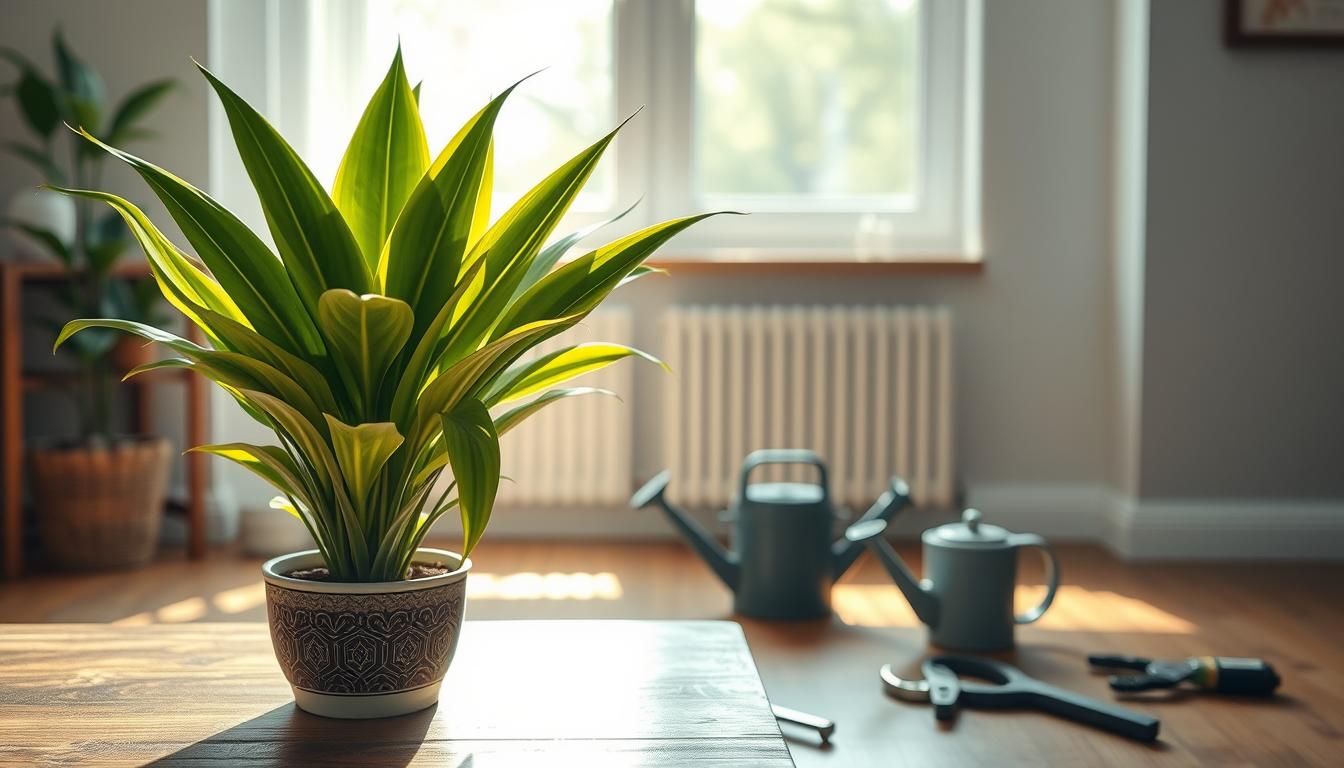
Dracaena Yellow Leaves can be alarming. I remember the day I first noticed yellow leaves on my beloved dracaena. Panic set in as I watched my once-vibrant plant slowly lose its lush green color. Dracaena plants, with their tall stems and long, elegant leaves, are a low-maintenance way to add greenery to your space. This genus of plants includes several varieties of spiky dragon tree, corn plant, snake plant, and even lucky bamboo.
Despite their reputation for being easygoing, dracaena plants can struggle with indoor growing conditions or improper care. Yellow leaves are often a cry for help, signaling that something isn’t quite right with your plant’s environment or health.
Dracaena plants are beautiful indoor friends that show their health through leaf color. Yellow leaves can worry many plant owners. But, not all yellow leaves mean a big problem.
Some yellowing is normal for dracaena plants. When your plant grows new leaves, older leaves at the bottom may turn yellow and fall off. This is a natural part of the plant’s life cycle. It means the plant is focusing energy on growing new, green leaves at the top.
Your dracaena talks to you through its leaves. Here are important things about yellow leaves:
Not all yellow leaves are okay. Look out for these signs:
Yellowing of dracaena leaves is common. Sometimes, it’s just part of the plant getting older. As new leaves grow at the top, old ones turn yellow and fall off at the bottom. Knowing these signs helps you tell normal changes from health problems.
Dracaena plants are very sensitive to water. Overwatering is the main reason for yellow leaves. Learning how to water your plant right can help it stay healthy.
Spotting overwatering early can save your plant. Look out for these key signs:
Your Dracaena prefers damp soil but not too wet. It’s important to check the soil moisture. Stick your finger two inches deep into the soil. If it’s wet, wait before watering again.
The absolute key to keeping your Cyclamen healthy and blooming is perfect watering technique. Avoid the fatal mistake of crown rot by following these specific do’s and don’ts.
Fixing an overwatered Dracaena needs careful steps. Here’s how to do it:
| Watering Frequency | Soil Moisture Check | Recommended Action |
|---|---|---|
| Every 1-2 weeks | Top 2 inches dry | Water thoroughly |
| Extended wet periods | Soil remains damp | Reduce watering, improve drainage |
Pro tip: Always throw away extra water from the saucer to avoid root rot. Your Dracaena doesn’t like “wet feet”!
Keeping your Dracaena plant’s soil moist is vital. This plant is not as tough as some others. It can quickly show signs of stress if it doesn’t get enough water.
Spotting underwatering symptoms early is crucial. Yellowed, droopy leaves with brown tips mean your Dracaena needs more water. These signs point to drought stress.
When your Dracaena gets very dry, you must act fast. Switching between very dry and wet soil can stress your plant. A deep bottom watering can help rehydrate the roots.
To avoid underwatering:
Your Dracaena needs you to keep the soil moist. With consistent care, you can prevent drought stress and keep your plant healthy.
Water quality is key to your Dracaena’s health. The wrong water can lead to yellow leaves and stress.
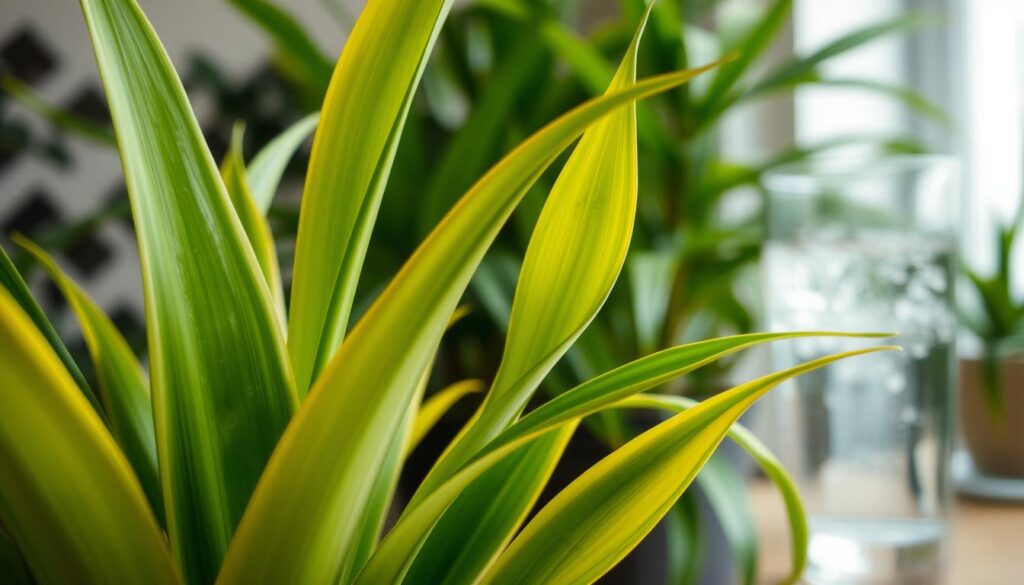
Tap water can harm your Dracaena. It has chemicals that can cause problems.
Tap water has elements that can hurt your Dracaena:
These chemicals can build up in the soil. This can damage leaves. You might see yellowing at the tips or edges.
Here’s how to protect your plant:
*Pro Tip: Improvements in water quality take time. Be patient and watch for changes in new growth.*
Dracaena plants are very sensitive to water. By following these tips, you can keep your plant healthy and green.
Dracaena plants don’t like it when the air is too dry. Low humidity can really stress them out. Leaves start to droop and turn brown on the edges. Then, they might turn yellow, brown, and shrivel up.
Here are some signs your dracaena is not happy with the humidity:
To help your Dracaena, you can try a few things:
Pro tip: Keep the humidity between 40-60% for your dracaena’s best health. Mist the leaves to help, but it’s not enough for long-term moisture.
Creating a slightly more humid microclimate can significantly improve your dracaena’s overall health and prevent leaf damage.
A weakened or stressed Dracaena is more likely to get infested with pests. These tiny invaders can quickly harm your plant’s health. They can turn a thriving houseplant into a struggling one in no time.
Sap-sucking bugs like spider mites can suck the moisture from your plant. These tiny pests are a big problem for indoor Dracaena plants. Three main pests often attack these plants:
If not treated early, these pests can spread and hide in plant parts. Their piercing mouths can weaken your plant and make it turn yellow faster. This is especially true if your Dracaena is already not doing well.
Dealing with pests needs a careful plan. Quick action can save your Dracaena from serious harm.
| Treatment Step | Method |
|---|---|
| Isolation | Separate infected plant to prevent spread |
| Cleaning | Wash leaves with mild soap and water solution |
| Pest Removal | Use rubbing alcohol on cotton swabs |
| Organic Control | Apply neem oil or insecticidal soap |
Preventing pests is key. Regularly check your plants, keep them in the best conditions, and ensure good air flow. This will help keep your Dracaena healthy and pest-free.
When your dracaena plant suddenly gets cold, its leaves can turn yellow. This can happen fast, making your plant look stressed and yellow.
Temperature damage can show up quickly. If your dracaena gets too cold, you might see:
Once cold damage happens, there’s no going back. The best thing to do is remove the damaged leaves. Then, take extra care of your plant for a few weeks.
“Prevention is always better than cure when it comes to temperature stress for dracaena plants.”
To stop damage from happening again, keep your plant warm. Don’t put it near:
Dracaena plants do best in temperatures between 65-80°F. Never put your plant outside when it’s colder than 55°F at night. Watch out for temperature changes, especially when the seasons change.
Every Dracaena plant goes through a natural lifecycle where leaf yellowing is completely normal. Is your Dracaena producing new growth? If you notice yellowing leaves that are older, particularly at the bottom of the plant, this is typically part of the plant’s natural aging process.
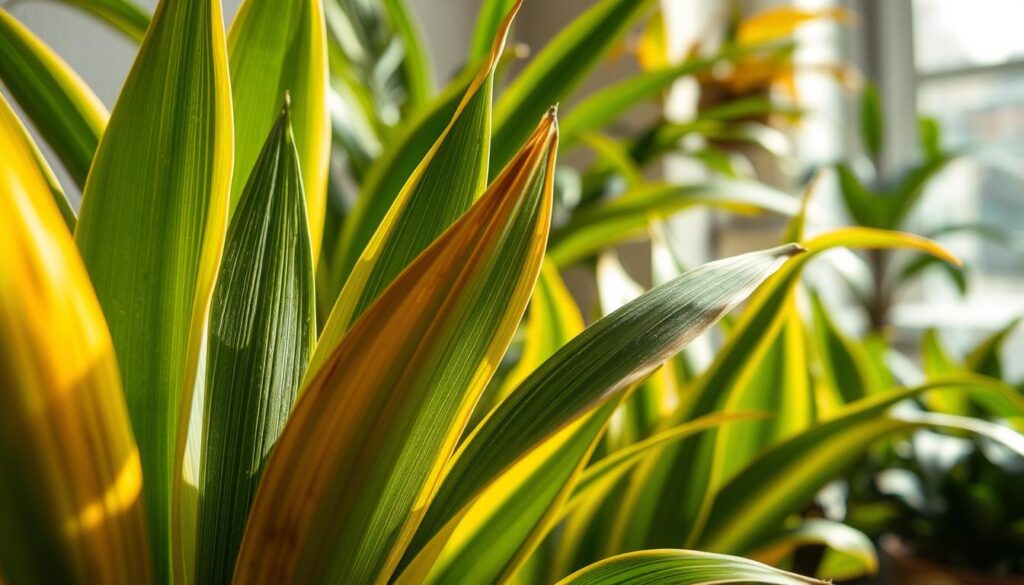
Understanding the difference between natural leaf drop and potential plant health issues is crucial for Dracaena care. Healthy aging in your plant follows specific patterns:
Even perfectly healthy Dracaena leaves will eventually turn yellow, die, and drop off. This is a natural part of the plant’s growth cycle. Your plant strategically sheds old leaves and sends energy to new growth, which is a sign of a thriving plant.
| Natural Aging Characteristics | Problematic Yellowing Signs |
|---|---|
| Slow yellowing process | Rapid leaf discoloration |
| Limited to older leaves | Affects multiple or new leaves |
| Plant remains healthy overall | Additional symptoms like drooping |
When you observe naturally aging leaves, you can simply snip them off with clean, sharp shears or pruners. This practice improves your plant’s appearance and prevents wasting energy on dying foliage.
Your dracaena plant doesn’t like ‘wet feet.’ This can cause serious problems. Root rot is a critical issue that can lead to the eventual death of your plant. Yellow and browning leaves are the first warning signs that root rot may be occurring.
Overly wet soil creates perfect conditions for plant diseases like leaf spot. When you notice dry, brown patches surrounded by a yellow halo on your dracaena’s leaves, you might be dealing with a fungal or bacterial infection.
To address root rot, carefully remove the plant from its pot and inspect the roots. Cut away any mushy, black, or foul-smelling roots using sterilized scissors. Repot the plant in fresh, well-draining soil and a clean pot.
When dealing with fungal leaf spots, take these steps:
Prevention is always easier than treatment. Maintain proper watering practices, ensure good drainage, and monitor your dracaena’s health regularly to avoid these devastating plant diseases.
Dracaena plants need the right nutrients to stay healthy and green. Knowing how to fertilize them is key to avoiding yellow leaves and promoting growth.
Nutrient shortages can show up in different ways. Each mineral can cause unique symptoms. Spotting these signs helps fix nutritional problems.
Use a normal, well-diluted houseplant fertilizer once a month (max) from spring to early fall. Stop fertilizing in winter when the plant isn’t growing.
| Fertilization Aspect | Recommended Practice |
|---|---|
| Fertilizer Type | Balanced, water-soluble houseplant fertilizer |
| Dilution | Half the recommended strength |
| Frequency | Monthly during growing season |
| Winter Care | Stop fertilizing completely |
Always fertilize when the soil is moist to avoid burning the roots. For plants not fertilized in over a year, start with a very weak solution. Gradually increase to the full strength.
Repotting every 2-3 years with fresh soil gives plants natural nutrients. This can cut down on the need for frequent fertilizing. Look for new growth and leaves that stay green to know fertilization is working.
Fixing yellow leaves on your dracaena takes patience and careful problem-solving. Common problems include too much water, not enough water, bad water quality, and stress from the environment. By watching your plant closely and knowing what might go wrong, you can make it healthy and green again.
Good plant care begins with spotting early signs of trouble. Issues like pests, low humidity, or too hot or cold temperatures need quick fixes. Watering is key, so check how you water and make changes if needed.
Dracaenas are tough plants that can get better with the right care. Some yellowing is normal as plants age, but big changes mean there’s a problem. Cutting off yellow leaves helps your plant look better and grow stronger.
Watching your plant closely is your best tool. Look for patterns in yellowing leaves, check the environment, and be ready to change how you care for it. Problems like root rot and nutrient issues can be fixed with the right steps. Remember, fixing your dracaena takes time—new green leaves are the best sign of success.