Physical Address
304 North Cardinal St.
Dorchester Center, MA 02124
Physical Address
304 North Cardinal St.
Dorchester Center, MA 02124

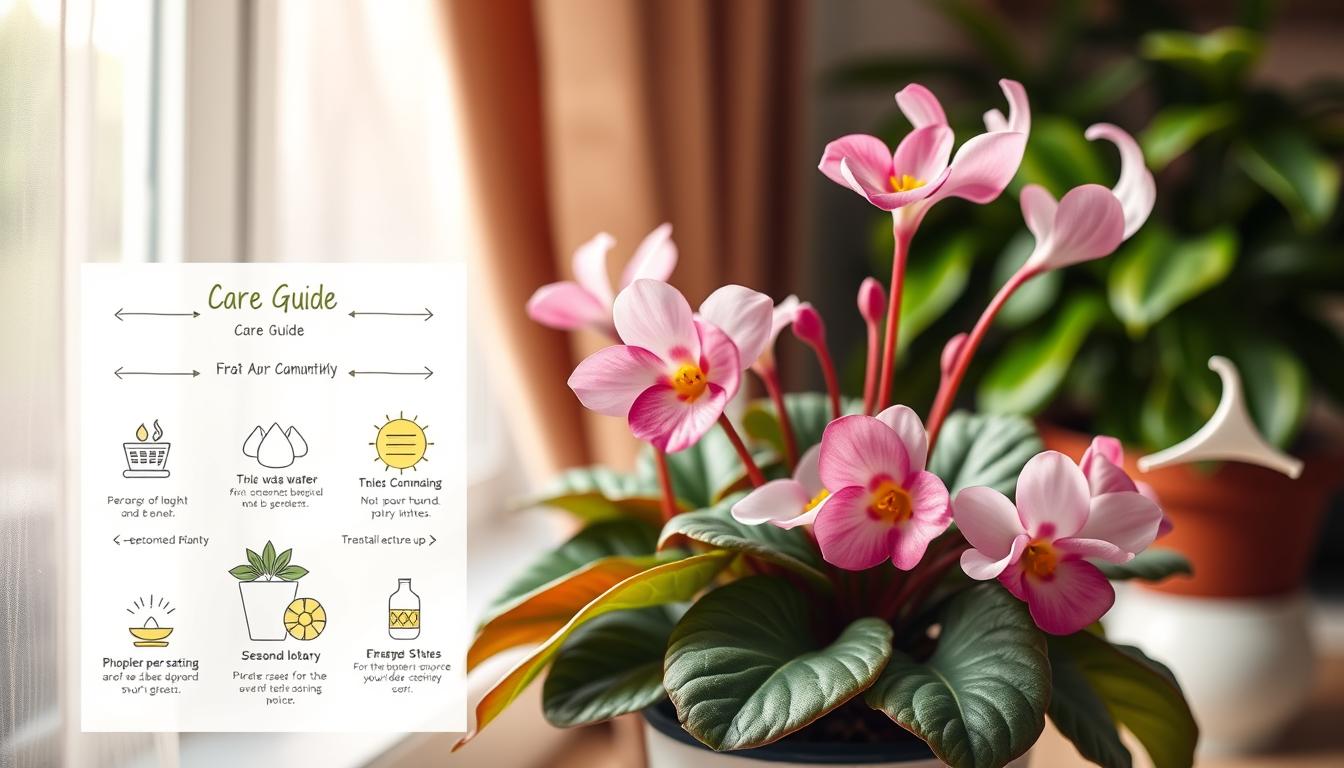
How to care for cyclamen plants indoors is a rewarding winter endeavor. Imagine a delicate flower with heart-shaped leaves, adding life to your home in winter. Cyclamen plants are more than just houseplants. They bring color and elegance to your space when it’s cold.
Many indoor gardeners face challenges finding plants that bloom in winter. Cyclamen changes that, offering beautiful flowers and leaves when others are asleep. This guide will help you grow these amazing plants, whether you’re new or experienced.
Cyclamen are amazing indoor plants that make your home look better. They bloom in fall and winter, adding color when it’s needed most. This makes them perfect for those who love plants but live in cold places.
Cyclamen are special because they fit well in small spaces. They also clean the air and make your home look elegant. These plants are great for anyone who wants to add beauty to their home.
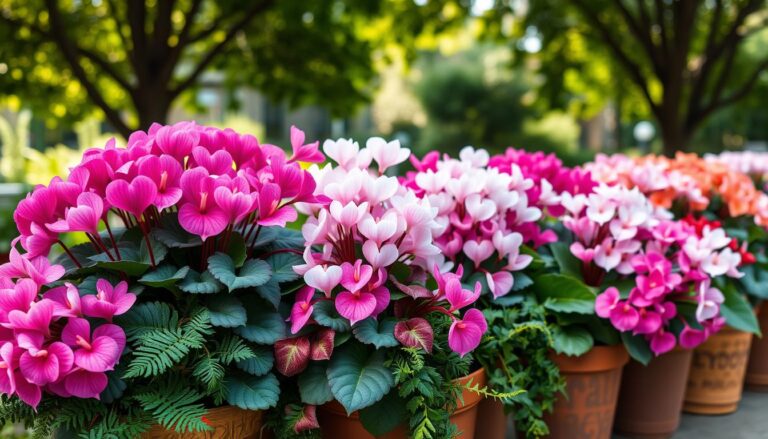
There are many types of cyclamen for indoor use, each with its own charm:
Cyclamen are known for their heart-shaped leaves and beautiful flowers. They love the cooler temperatures of winter, making them great for indoor spaces. They are easy to care for once you know what they need.
“Cyclamen are nature’s winter artists, painting indoor spaces with unexpected color and grace.” – Botanical Enthusiast
By the end of this section, you’ll see why cyclamen are great for your home. They thrive in cold conditions and look amazing. They’re perfect for both new and experienced plant lovers.
Caring for cyclamen means knowing their unique growth cycle. Your indoor cyclamen goes through two main phases: an active growth/blooming period and a dormancy period. During the active growing season, from fall to spring, your plant needs special care to stay vibrant.
The active growth/blooming period needs consistent care. Your cyclamen will bloom beautifully and keep its leaves healthy. It’s important to deadhead to keep it blooming and avoid wasting energy on seeds.
“Cyclamen are not typical houseplants – they thrive in cooler environments and have a unique seasonal rhythm.”
When the dormancy period comes in late spring to summer, care changes. Water less and let the plant rest. Do not discard your cyclamen during this phase. Proper care during dormancy ensures it will bloom again next season.
| Growth Phase | Care Requirements | Duration |
|---|---|---|
| Active Growth | Regular watering, cool temperatures | Fall to Spring |
| Dormancy Period | Minimal watering, reduced light | Late Spring to Summer |
By understanding and respecting your cyclamen’s natural growth cycle, you’ll make it a long-lasting indoor friend.
Knowing what light cyclamen need is key to keeping them healthy indoors. These plants are sensitive and need the right light to bloom well.
Cyclamen love bright, filtered light that feels like their natural home. The best spots are:
Direct sunlight in the middle of the day can harm the leaves and flowers. It causes them to turn brown and lose their color. Keep cyclamen away from heat sources like radiators and fireplaces. Heat and dry air stress the plant.
| Light Condition | Plant Response |
|---|---|
| Direct Sunlight | Leaf scorching, brown patches |
| Indirect Bright Light | Healthy growth, vibrant blooms |
| Low Light | Reduced flowering, weak stems |
When the plant loses its leaves in summer, move it to a cooler, darker spot. A basement, garage, or shaded outdoor area works well. This helps your cyclamen stay healthy and bloom well.
Watering cyclamen needs a careful touch. These plants are sensitive to too much or too little water. The goal is to find the right balance, using the drenches between droughts method.
Too much water can cause problems like mushy leaves and rotting flowers. On the other hand, not enough water can lead to stunted growth and yellow leaves. Your goal is to keep the soil just right, not too wet or dry.
To water right, put your cyclamen pot in a shallow saucer. Add water up to a quarter-inch deep. Let the plant soak up moisture for 15-20 minutes. Then, remove the pot and make sure all water drains out. Never let the plant sit in water, as it can cause root rot.
How often you water depends on your home’s environment. Plants in bright, warm spots might need water twice a week. Plants in cooler areas might only need water once a week. Look out for these signs:
When your cyclamen is dormant, water it less. Just enough to keep the tuber moist. By following these tips, your cyclamen will stay healthy and look great all year.
Creating the perfect environment for your cyclamen is key. You need to focus on temperature and humidity. These plants love cool, moist conditions, just like their natural home.
Cyclamen grow best in cool temperatures. They like it between 50-68°F (10-20°C). Some say 40-50°F at night and 60-70°F during the day is even better.
They need a steady, cool spot. Avoid extreme heat and cold drafts.
Humidity is vital for cyclamen health. Higher humidity means more blooms. You can make the right humidity with a few tricks.
But, too much humidity is bad. It can cause fungal problems like powdery mildew and botrytis petal blight. Make sure there’s good air flow.
Pro tip: Use a shallow tray with pebbles and water. Place your cyclamen pot on top. It’s a great way to keep humidity up without risking root rot.
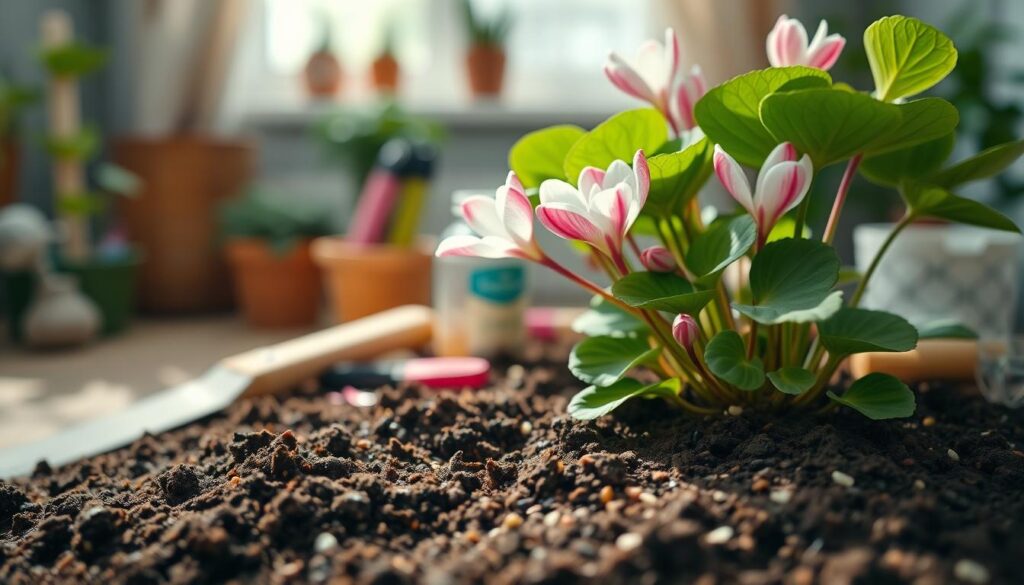
Choosing the right soil is key for your cyclamen’s health. You can pick a standard potting mix with sphagnum peat moss. This mix boosts acidity and texture. Or, go for a ‘Cactus & Succulent’ mix for better drainage.
Planting depth is important for cyclamen. Unlike most plants, the tubers should sit at or slightly above the soil surface. Make sure you can see the top of the tuber, with just the roots and bottom buried. This stops water from causing rot.
When you pot or repot, place the tuber 2 inches below the pot rim. This allows for watering space. Here are some planting tips:
Fertilization is vital for cyclamen growth. Feed them regularly during active growth. Use a low-nitrogen fertilizer to avoid too much leaf growth at the expense of flowers. A balanced ‘Houseplant’ fertilizer diluted to half-strength is best.
Here’s a feeding schedule:
For better blooms, switch to a potassium-rich ‘Flowering Plant’ or ‘Bloom Booster’ fertilizer when buds form. This boosts flower abundance, longevity, and color.
Pro tip: Always apply fertilizer to moist soil to prevent root burn from concentrated salts.
Don’t fertilize during summer dormancy. Dormant roots can’t handle nutrients, and salts can become toxic. By following these guidelines, you’ll ensure healthy roots and stunning cyclamen blooms.
Cyclamen plants have a natural resting phase that might surprise new owners. During this time, your plant will seem to stop growing and lose its color. This is normal and a key part of its yearly cycle.
Your cyclamen will show signs of dormancy clearly:
Proper care during dormancy is vital for your plant’s health. Gradually allow the plant to dry out for 2-3 months as blooming slows. Cut back on watering to avoid drying out the soil. Remember, don’t overwater, as this causes tuber rot.
Storage is crucial during this time. Store the potted tuber in a dark, dry, cool (above 8°C/46°F), frost-free location with good air circulation like a shed or garage. Keep the plant in its original pot and prune all foliage about 2cm from the soil line once it yellows.
During dormancy, water infrequently just to keep the tuber from shriveling. Don’t fertilize. Resume watering in late summer or early fall when new growth emerges. You can wake the plant from dormancy by moving it to a brighter, warmer spot with more water.
To get your cyclamen to bloom again, you need to care for it right. Many people throw away these plants after they bloom once. But, with the right steps, you can enjoy cyclamen year after year.
Here’s what you need to do to make your cyclamen bloom again:
When the blooming slows down, let your plant dry out for 2-3 months. Water sparingly to prevent tuber rot. This rest is key for building energy and preparing for next year’s blooms.
In late summer, new growth will show that dormancy is over. Move your cyclamen to a bright spot and start watering again. You might need to spread out the leaves to find new buds.
| Reblooming Stage | Key Actions |
|---|---|
| Dormancy Period | Minimal watering, no fertilization |
| Reactivation | Increase light, resume gentle watering |
| Flowering | Bloom-boosting fertilizer, cool temperatures |
Blooms last 5-8 weeks, showing up every winter. With the right care, your cyclamen can become a long-term friend in your garden.
Keeping your cyclamen plant healthy means using the right pruning and deadheading methods. These steps are key to keeping your plant looking good and growing well during its blooming time.
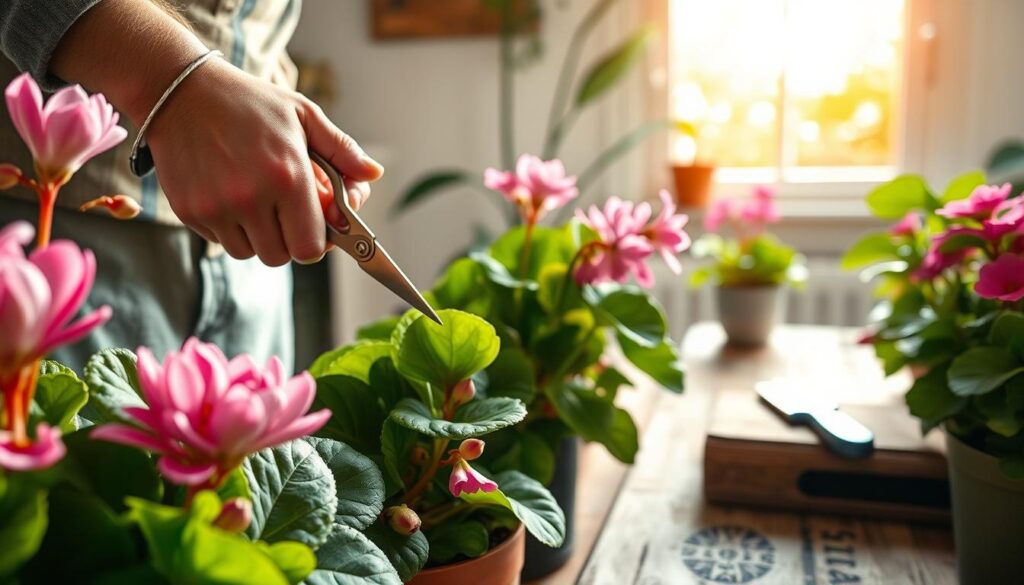
Proper pruning stops energy from going to seed production and helps new flowers grow. It also stops rot from decaying plant parts, which can harm your cyclamen.
Here’s how to remove faded flowers and yellow leaves:
You can also use sharp scissors to cut the stem close to the tuber. Do the same for yellow or damaged leaves by taking out the whole stem.
Keeping things clean is very important when you prune cyclamen. Here’s what to do:
If you see seed pods, you can let them grow for seeds or cut them off for more flowers. In the growing season, take out old flowers and yellow leaves. When the plant rests, cut leaves back to an inch from the tuber.
Learning these pruning tips will help your cyclamen stay healthy, bright, and full of flowers all season long.
Cyclamen plants face many challenges that need careful attention. Knowing these common issues helps keep your plant healthy and vibrant.
Pests are a big threat to your cyclamen. Look out for these common pests:
Preventing disease starts with good care. Root rot often comes from too much water. Powdery mildew happens in places with poor air flow. Watch for these signs:
| Problem | Symptoms | Solution |
|---|---|---|
| Overwatering | Brown leaves, soft spots, mushy undergrowth | Reduce watering frequency |
| Underwatering | Stunted growth, crispy leaves | Increase watering consistency |
| Sun Damage | Browning leaves, crispy edges | Move to indirect light |
Managing pests means isolation, using treatments like neem oil, and keeping growing conditions right. For fungal problems like botrytis, improve air flow and remove sick parts right away.
Acting fast is key to avoiding cyclamen problems. Regular checks, proper watering, and the right light are your best defenses against plant health issues.
Keeping your cyclamen healthy means knowing how to repot and propagate it right. The plant’s life cycle depends on managing its tubers and growth well.
Good cyclamen care means using smart repotting and reproduction methods. These support the plant’s special growth patterns.
Timing is everything when repotting your cyclamen. The best time is late August or early September. Here’s what to do:
There are two main ways to propagate cyclamen: seeds and tuber division. Each method has its own steps:
“Patience is key when propagating cyclamen. Seeds can take up to 3 months to germinate, but the reward is a thriving new plant.”
Success in propagating cyclamen needs gentle care, consistent moisture, and the right environment. Your careful efforts will help your cyclamen grow and multiply.
Caring for cyclamen indoors is a fun journey for patient gardeners. Use the bottom-watering method to avoid rot. Keep temperatures between 50-68°F for the best conditions. Bright indirect light and regular deadheading of spent flowers will help your cyclamen thrive.
Your first year with cyclamen might have some learning moments. Most problems come from too much water or warm temperatures. Try different varieties like the Sierra series or fragrant ones to find your favorite.
It’s important to respect the dormancy period. Cut back on water in summer and let your plant rest. Each time your cyclamen blooms again, you’ll get better at caring for it. You’ll learn to enjoy the whole cycle from fall to summer.
Share your cyclamen success with others. You can give plants as gifts or enjoy their beauty in your home. With this knowledge, you’ll become a great cyclamen caretaker. Your indoor garden will flourish with your care and love.
To ensure your gift thrives for years, gift-givers and recipients should bookmark our complete Cyclamen care guide.