Kalanchoe Blossfeldiana Care: Light, Water, Temperature & Reblooming Tips

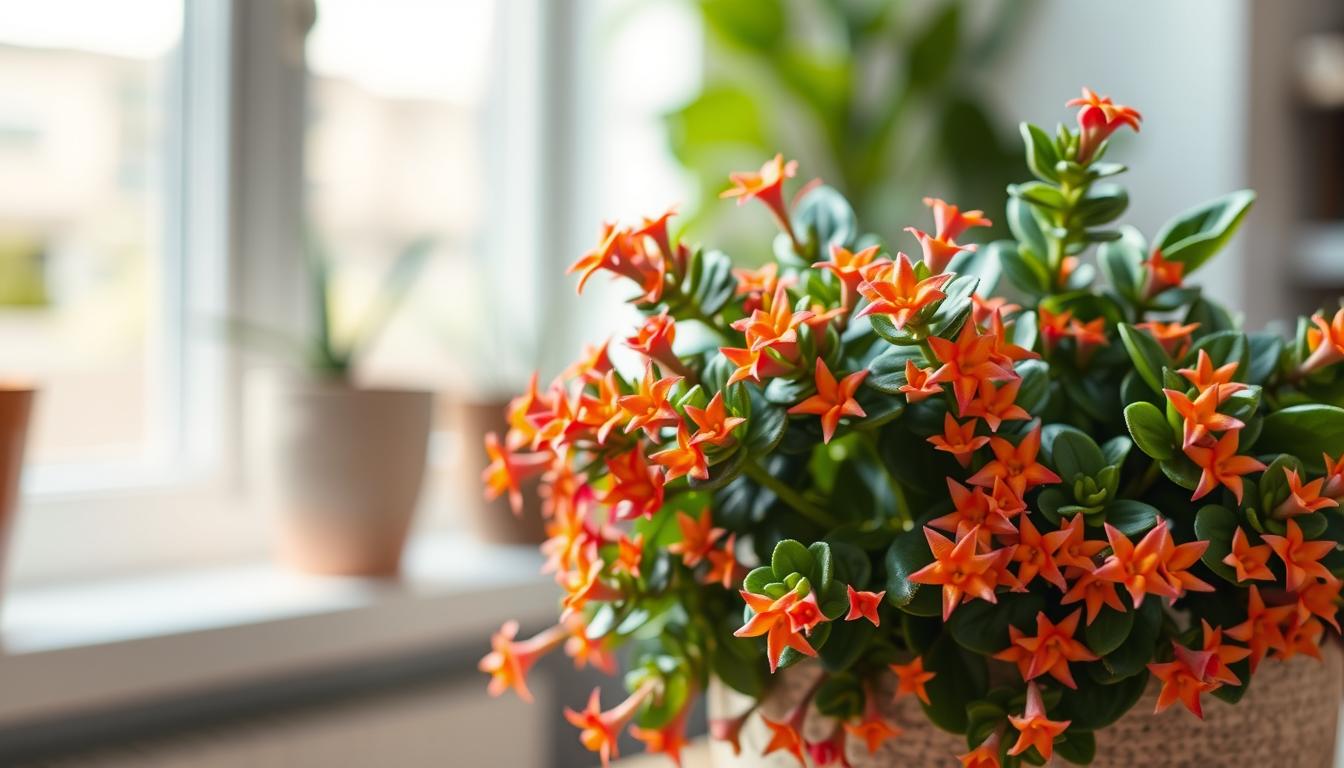
Welcome to the ultimate guide on Kalanchoe blossfeldiana care! If you want a vibrant and easy-to-care-for houseplant, you’re in the right spot. The Flaming Katy is a stunning succulent that adds color and life to any room with its beautiful flowers.

This plant comes from Madagascar and has won many hearts with its small size and amazing flowers. Growing kalanchoe is very rewarding, especially for beginners. This guide will help you learn everything you need to know.

The Flaming Katy belongs to the Crassulaceae family. It grows 6-18 inches tall and wide. It has scallop-edged leaves and flowers in bright colors like red, pink, yellow, and white. But, it’s toxic to pets, so it needs careful placement.

Key Takeaways

  • Kalanchoe blossfeldiana is a low-maintenance succulent perfect for indoor growing
  • Thrives in bright, indirect light with minimal watering
  • Produces colorful clusters of star-shaped flowers
  • Hardy in USDA zones 10-12, but adaptable as an indoor plant
  • Requires careful handling due to toxicity to pets

Understanding Kalanchoe Blossfeldiana: The Flaming Katy Plant

The flaming katy plant has won the hearts of many indoor gardeners. It’s known for its bright colors and special traits. Found in Madagascar by Robert Blossfeld in 1926, it’s now loved by people everywhere.

What Makes Flaming Katy Special

Kalanchoe blossfeldiana is special for many reasons:

  • Stunning star-shaped flower clusters that bloom multiple times a year
  • Glossy green leaves with distinctive scalloped edges
  • Compact growth perfect for small spaces
  • Incredibly long-lasting flowering periods

New breeding has made the flowering kalanchoe even more stunning. Modern varieties like Calandiva have double blooms with up to 32 petals. This is more than the traditional four-petal design.

Growth Habits and Lifespan

Knowing how kalanchoe varieties grow helps you care for them better. This slow-growing plant can grow up to 6-18 inches tall and wide in 2-5 years.

CharacteristicDetails
Mature Height6-18 inches
Growth RateSlow (2-5 years to full size)
Blooming FrequencyEvery 6 months, lasting 6+ weeks
Potential LifespanSeveral decades with proper care

With the right care, your kalanchoe blossfeldiana can be a long-lasting friend. It will bring beautiful blooms and greenery for years.

Kalanchoe Light Requirements for Optimal Growth

Knowing the right light for your Flaming Katy is key to its health and beauty. These plants love bright, indirect light. They need the right light to bloom well and grow strong.

For indoor kalanchoes, the best spot is near south- or west-facing windows. They need 6-8 hours of bright, indirect light each day. Direct sun can hurt their leaves, causing scorching and stress.

  • Place your kalanchoe near a bright window, but not in harsh sunlight
  • Rotate the plant often to get even light
  • Look for signs of light stress, like leggy stems or discolored leaves

Kalanchoes are sensitive to too much light. If they get too little light, they might grow too tall. Too much sun can make their leaves turn brown or crispy.

Light ConditionPlant Response
Bright Indirect LightOptimal Growth and Blooming
Direct SunlightLeaf Scorching and Potential Damage
Low LightWeak Growth and Reduced Flowering

Pro tip: If your home is dark, use grow lights for your kalanchoe. This helps keep the plant healthy and encourages flowers.

Kalanchoe plants are like Goldilocks – they want their light just right: bright but not harsh, consistent but not overwhelming.

Kalanchoe Watering Schedule: Finding the Right Balance

Learning how to water your kalanchoe is key to keeping it healthy. These plants need special care because they’re different from regular houseplants. Knowing when to water your kalanchoe can make a big difference.

Kalanchoes are drought-tolerant and store water in their leaves. So, watering them needs a careful plan. The goal is to find the right balance between giving them water and letting them dry out.

Identifying Watering Needs

Here are some important tips for watering your kalanchoe:

  • Indoor plants usually need water every 2 weeks
  • Outdoor plants might need water weekly in warm months
  • Always check the soil moisture before you water

Signs of Improper Watering

Your plant will show you if it needs more or less water:

  • Overwatering symptoms:
    • Yellow, mushy leaves
    • Soft, discolored stems
    • Potential root rot
  • Underwatering symptoms:
    • Shriveled, wrinkled leaves
    • Dry, crispy foliage
    • Wilting plant structure

Seasonal Watering Adjustments

The amount of water your kalanchoe needs changes with the seasons. In winter, water it every 3-4 weeks. In spring and summer, water it every 10-14 days. Always better to underwater than overwater your succulent.

Pro Tip: Insert your finger 1-2 inches into the soil. If it feels dry, it’s time to water. If still moist, wait a few more days.

Proper watering is the secret to a happy, blooming kalanchoe. It will brighten your space for months.

Best Soil and Potting Mix for Kalanchoe Blossfeldiana

A close-up view of Kalanchoe blossfeldiana soil and potting mix, arranged in a terracotta pot. The foreground features rich, well-draining soil with red and black volcanic rocks mixed in, providing an ideal texture for succulent growth. Surrounding the pot, small pieces of perlite and a layer of gravel create a natural setting. In the middle ground, a healthy Kalanchoe blossfeldiana plant displays its vibrant green leaves and bright coral flowers, complemented by a soft morning light that casts gentle shadows. The background features a blurred out indoor garden scene with soft natural light filtering through a window, creating a warm and nurturing atmosphere, evoking a sense of care and the right environment for this beautiful plant.

Choosing the right soil is key for your Flaming Katy’s health. Kalanchoes need soil that drains well to avoid root rot. This happens when water stays too long around their roots.

Your kalanchoe’s soil should be like its natural home. Succulents like kalanchoe need soil that drains water fast but still gives them nutrients.

  • Create an ideal succulent soil by mixing:
  • 50% standard potting soil
  • 50% cactus mix
  • Optional: Add perlite for extra drainage

The right soil texture is crucial. It should be gritty and loose for air to get in and water to drain out. Stay away from dense soils that hold water and harm roots.

Choose pots with holes for drainage. Terracotta and clay pots are great because they help pull out extra moisture. This protects your plant from too much water.

Pro tip: Always test your soil’s drainage by observing how quickly water passes through when you water your kalanchoe.

For outdoor kalanchoes, use loamy or sandy soil. It should be slightly alkaline. This helps your plant grow strong and bloom brightly.

Temperature and Humidity Needs

Knowing the right temperature is key to a healthy Kalanchoe. These plants love certain conditions to grow well indoors and outdoors.

Kalanchoe plants are easy to care for. They need a specific temperature range to grow best. The ideal temperature is between 55-80°F (13-27°C). Most do well in daytime temperatures of 60-75°F (15-24°C).

Indoor Temperature Guidelines

Indoor kalanchoes are quite easy-going. Your home’s temperature usually fits their needs perfectly. Here are some indoor temperature tips:

  • Maintain daytime temperatures between 60-75°F
  • Allow slightly cooler nighttime temperatures around 50-60°F
  • Avoid placing near drafty windows or heating vents
  • Protect from temperatures below 50°F, which can damage leaves

Outdoor Growing Zones

Kalanchoe plants thrive in warmer areas. They grow well in USDA zones 10-12, and sometimes in zone 9. For outdoor growing, keep these tips in mind:

  • Wait until nighttime temperatures consistently exceed 60-65°F
  • Gradually acclimate plants to outdoor conditions
  • Bring plants inside before temperatures drop below 55°F
  • Provide morning sun with afternoon shade protection

Kalanchoe plants don’t need much humidity. They’re great for homes with average humidity levels.

Kalanchoe Blossfeldiana Care: Fertilizing Your Plant

A close-up shot of a healthy Kalanchoe Blossfeldiana plant in a vibrant green pot, showcasing its lush, thick leaves and clusters of colorful flowers in red, pink, and yellow hues. In the foreground, a hand holds a small container of organic fertilizer, with granules visibly spilling slightly, indicating the act of fertilizing. The middle ground features a beautifully arranged indoor garden setting with natural light flowing in through a window, enhancing the colors of the flowers and leaves. The background shows a soft-focus view of other houseplants, creating a serene and nurturing atmosphere. The lighting is warm and inviting, emphasizing the health and vitality of the Kalanchoe, evoking a sense of care and attention.

Fertilizing kalanchoe needs care. These plants don’t need a lot of food. They do best with a little bit of nutrition.

In spring and summer, give your kalanchoe a balanced fertilizer. Here’s how to feed your flaming katy:

  • Use a water-soluble fertilizer with equal N-P-K ratios
  • Apply fertilizer every 4-6 weeks during active growth
  • Dilute fertilizer to half-strength to prevent root damage
  • Stop feeding during winter dormancy

Match your feeding schedule with the plant’s growth cycle. Avoid fertilizing in winter. It can harm the plant during its rest.

SeasonFertilizer TypeFrequency
Spring/SummerBalanced 10-10-10Every 4-6 weeks
Fall/WinterNo fertilizationN/A

If your kalanchoe grows more leaves than flowers, use a phosphorus-rich fertilizer. Organic options like worm castings or seaweed extract are good too. Remember, kalanchoe prefers less food.

Pruning and Deadheading Techniques

Keeping your kalanchoe healthy and looking good needs smart pruning and deadheading. These steps help your Flaming Katy stay vibrant and bloom well all season.

Pruning kalanchoe is simple but needs some focus. The main goals are to:

  • Encourage strong plant growth
  • Keep the plant looking neat
  • Make it bloom more
  • Get rid of sick or dead parts

Essential Deadheading Strategies

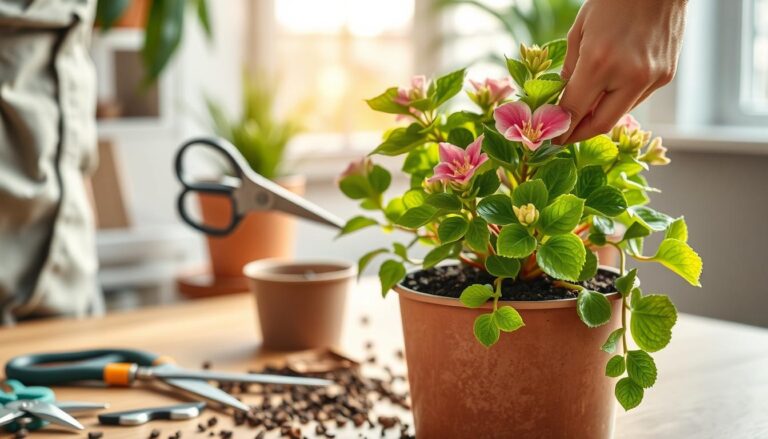
Deadheading is key to keeping your kalanchoe in top shape. When old flowers show up, use sharp shears to cut the stem back to the leaves. This helps the plant focus on making new flowers instead of seeds.

“Strategic pruning transforms your kalanchoe from a tired-looking plant to a vibrant, blooming showcase.” – Plant Care Experts

Shaping Plants for Maximum Beauty

When shaping your kalanchoe, aim for a compact, bushy look. Pinch the top of stems to make them branch out. Cut off any long or thin parts to keep your plant full and lively.

Always use clean pruning tools to avoid spreading diseases. With the right care, your kalanchoe will give you beautiful blooms for a long time.

Getting Your Kalanchoe to Rebloom

To get your kalanchoe to bloom again, you need to know about its special light needs. Kalanchoe reblooming is not magic. It’s a science that helps the plant bloom like it does naturally.

To make your kalanchoe bloom again, you must use certain techniques. These tricks help start the plant’s natural bloom cycle. The trick is to create a fake winter with the right amount of light.

  • Provide 14-16 hours of complete darkness daily
  • Reduce watering during the darkness period
  • Stop fertilizing temporarily
  • Maintain bright indirect light during daytime hours

Here are the key steps for your reblooming plan:

  1. Dark Period: Put your kalanchoe in total darkness for 6 weeks
  2. Limit daily light exposure to 6-8 hours
  3. Water less (once every 3-4 weeks)
  4. Look for tiny flower buds to grow

“Patience is the secret to successful kalanchoe reblooming” – Plant Experts

StageDurationKey Actions
Darkness Treatment6 weeksComplete darkness, minimal watering
Bud Development4-6 weeksGradual return to normal light
Flowering2-4 weeksResume regular care

Outdoor kalanchoe plants might bloom more often. Indoor plants need more help to bloom again. Take off dead flowers to save energy and help the plant bloom more.

Common Pests and Disease Problems

Kalanchoe plants are usually tough, but they can still face problems from pests and diseases. Knowing how to spot and deal with these issues is key to keeping your plant happy and healthy.

Your Kalanchoe might run into several pests that need your attention. These pests can harm your plant if you don’t act fast.

Identifying and Treating Aphids and Mealybugs

Aphids and mealybugs are big pests for Kalanchoe plants. They can do a lot of damage if you don’t catch them early.

  • Aphids: Look for small, soft-bodied insects on new growth and leaf undersides
  • Mealybugs: Spot their cotton-like white residue in leaf joints and along stems

Here’s how to tackle these pests:

  1. Use a strong water spray to knock off the insects
  2. Apply neem oil or insecticidal soap
  3. Use rubbing alcohol on cotton swabs for precise removal

Preventing Root Rot

Stopping root rot is vital for your Kalanchoe’s health. This disease can destroy your succulent if not handled right.

Watch out for these signs of root rot:

  • Yellowing leaves
  • Mushy stems
  • Wilting despite wet soil
  • Bad smell from the soil

To avoid root rot, make sure the soil drains well. Let the soil dry between waterings and use pots with holes. Watch your watering and keep an eye on your plant to help it grow well.

Propagating Kalanchoe Blossfeldiana

Growing new plants from your existing kalanchoe is exciting and rewarding. It’s easy, making it great for both new and experienced gardeners. You can grow more plants using two main methods: stem cuttings and kalanchoe offsets.

Stem cuttings are a great way to make new kalanchoe plants. Here’s how to do it:

  • Select a healthy stem 2-4 inches long
  • Use sterile, sharp pruning tools
  • Remove lower leaves from the cutting
  • Let the cutting dry and callus for 1-2 days
  • Optional: Apply rooting hormone to enhance root development
  • Plant in well-draining succulent soil
  • Place in bright, indirect light

Kalanchoe offsets are another easy way to propagate. These small plantlets grow at the base of mature plants. Here’s how to use offsets:

  1. Identify small pups near the parent plant
  2. Cut offset carefully at the connection point
  3. Allow offset to callus briefly
  4. Plant in appropriate succulent potting mix
Propagation MethodDifficulty LevelRooting Time
Stem CuttingsModerate3-4 weeks
Kalanchoe OffsetsEasy2-3 weeks

The best time to propagate kalanchoe is in spring and summer. Remember to be patient and keep the care consistent. With the right technique, you’ll grow your kalanchoe collection easily.

Conclusion

Growing a Kalanchoe blossfeldiana is rewarding for those who love plants. It brings long-lasting blooms to any room. Knowing how to care for it ensures success with your flaming katy.

Key care points include bright indirect light, minimal watering, and well-draining soil. Moderate temperatures are also important. These tips help your plant stay healthy for years. It’s great for beginners and experts alike because it’s easy to care for.

Remember, the Kalanchoe blossfeldiana is safe for humans but toxic to pets. Keep it out of reach of curious animals. With the right care, your Flaming Katy will bloom beautifully, brightening your home.

Enjoy the easy care of Kalanchoe and watch it thrive. By understanding its needs, you’ll have a beautiful, easy-to-care-for plant. It will bring joy to your home for years.

Its fleshy leaves can be gently wiped with a damp cloth. Follow our natural leaf cleaning guide for best practices.

FAQ

Are Kalanchoe plants toxic to pets?

Yes, Kalanchoe blossfeldiana is toxic to cats and dogs. It contains cardiac glycosides that can cause serious health issues if ingested. Keep your Flaming Katy out of reach of pets and contact a veterinarian immediately if you suspect any consumption.

How often should I water my Kalanchoe?

Water your Kalanchoe every two weeks. Let the soil dry completely between waterings. In winter, water once every 3-4 weeks. Check soil moisture by inserting your finger 1-2 inches deep. If it’s dry, it’s time to water.

What type of light do Kalanchoes need?

Kalanchoes thrive in bright, indirect light. Place them near south- or west-facing windows but not directly in the sun. They need 6-8 hours of bright light daily to produce abundant flowers. Avoid direct sunlight, which can burn the leaves.

How do I get my Kalanchoe to rebloom?

To rebloom your Kalanchoe, provide 14-16 hours of complete darkness each night for 6-8 weeks. This mimics the plant’s natural photoperiodic flowering cycle. Reduce watering and stop fertilizing during this period. After 6 weeks, you should see new flower buds forming.

What temperature range is best for Kalanchoes?

Kalanchoes prefer temperatures between 55-80°F, with an ideal range of 60-75°F during the day. Avoid temperatures below 50°F, which can damage the plant. Slightly cooler nighttime temperatures (50-60°F) can actually promote better blooming.

How do I propagate a Kalanchoe?

You can propagate Kalanchoes through stem cuttings or offsets. For stem cuttings, take a 2-4 inch stem section, let it callus for 1-3 days, then plant in well-draining soil. Offsets can be carefully removed from the base of the parent plant and planted similarly.

What type of soil do Kalanchoes need?

Kalanchoes require fast-draining soil to prevent root rot. Use a mix of 50/50 potting soil and cactus mix, or create a custom blend with potting soil, perlite, and coarse sand. Ensure the pot has drainage holes and use a porous material like terracotta.

How often should I fertilize my Kalanchoe?

Fertilize your Kalanchoe once monthly during the active growing season (spring through summer) using a balanced, water-soluble houseplant fertilizer. Apply at half the recommended strength to prevent fertilizer burn. Stop fertilizing during the winter dormant period.

How long do Kalanchoe plants live?

With proper care, Kalanchoe blossfeldiana can live for decades. They are slow-growing plants that typically reach a mature size of 6-18 inches within 2-5 years and can continue to bloom annually or even twice a year when well-maintained.