Physical Address
304 North Cardinal St.
Dorchester Center, MA 02124
Physical Address
304 North Cardinal St.
Dorchester Center, MA 02124

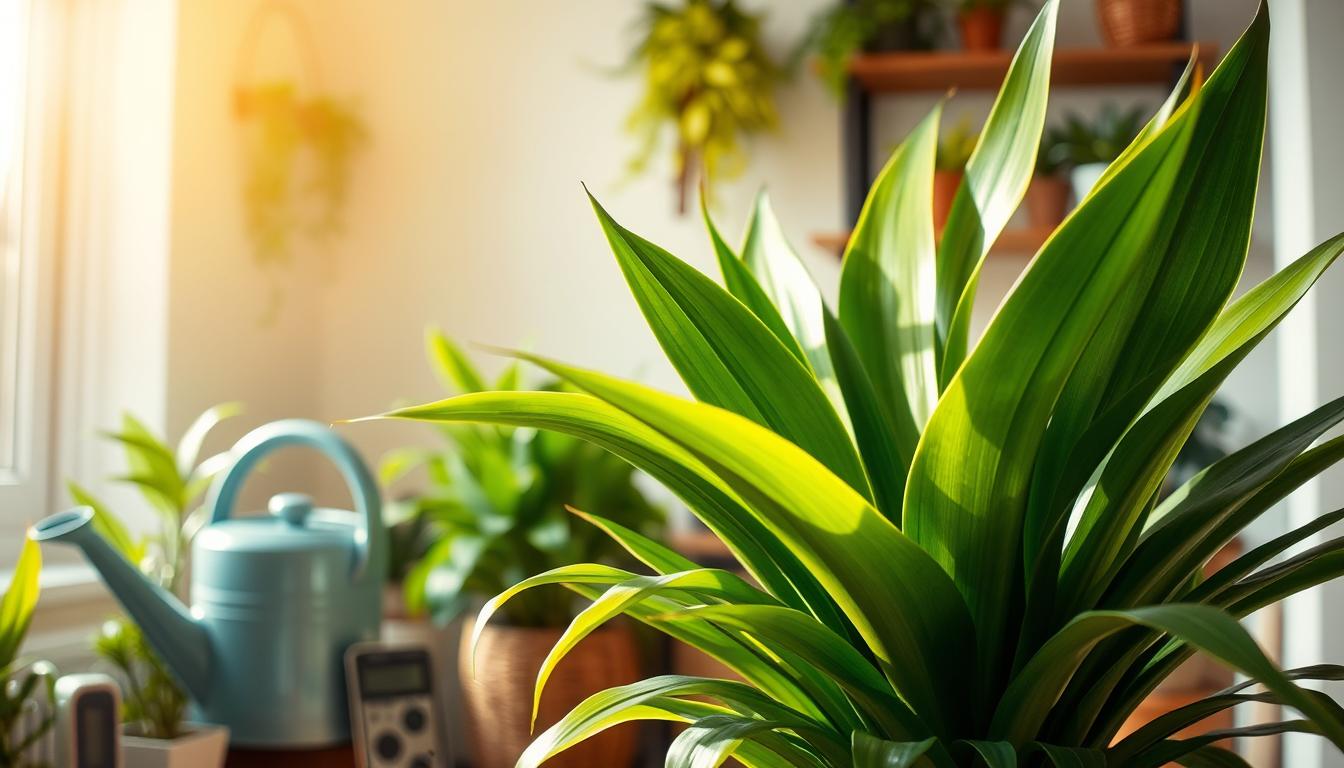
Your dracaena can enjoy the outdoors during warm months. It gets fresh air, natural light, and better humidity. But, moving it outside needs careful planning and the right climate.
This transition works best when nighttime temperatures are above 55°F. If you live in USDA zones 10-11, your plant can stay outside all year. Knowing how to move your plant safely protects it from stress and damage.
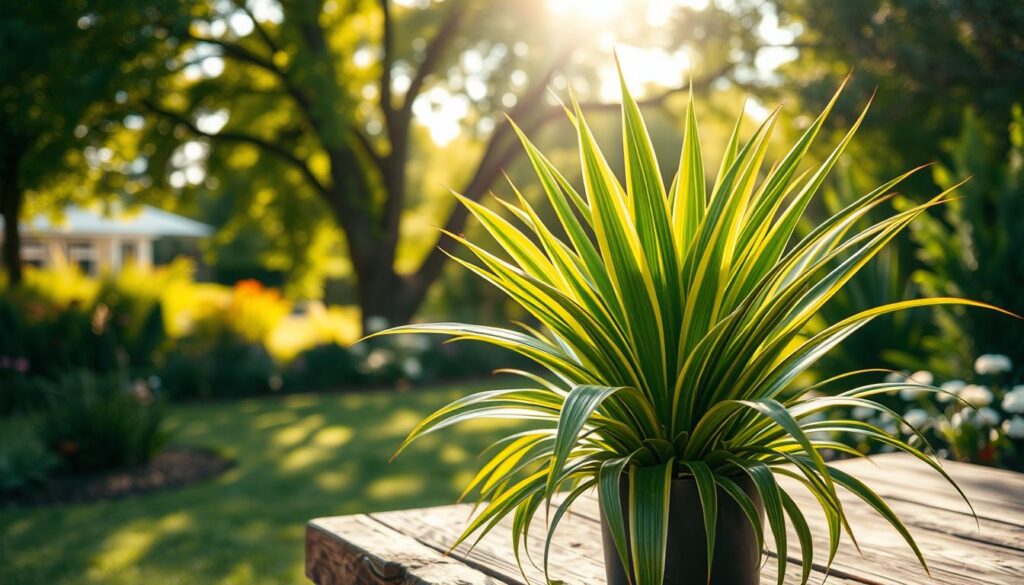
Moving your dracaena from indoors to outdoors needs gradual steps. Start by placing it in a shaded spot for just one or two hours. Increase outdoor time slowly over 7-10 days.
This slow adjustment prevents leaf drop and sunburn. Your dracaena needs time to adapt to wind, temperature changes, and different sunlight quality.
Outdoor conditions dry out soil much faster than indoor spaces. Wind, heat, and stronger light cause water to evaporate quickly. You may need to water your plant daily during hot weather instead of your regular weekly dracaena care indoors schedule.
Check the soil every day to keep it moist but not soggy.
Pick a spot with filtered sunlight or partial shade for your dracaena summer care routine. Place your plant under covered patios, porches, or beneath tree branches that block harsh afternoon sun. Morning sun exposure works well for dracaenas. Strong afternoon rays can burn the leaves.
Set a calendar reminder to bring your plant indoors when fall arrives. Move your dracaena back inside before nighttime temperatures drop below 55°F. Cold temperatures damage these tropical plants seriously. With proper protection and planning, your dracaena will thrive during its summer outdoor vacation.
Summer brings warm weather that helps your dracaena grow. But it can also cause unexpected problems. Heat and humidity changes stress plants in ways you might not expect. Learning to spot issues early keeps your dracaena plant care on track and prevents small problems from becoming big ones.
Understanding what’s normal and what needs attention saves you time and worry. Your dracaena naturally sheds its oldest leaves as new growth emerges. This is healthy plant behavior, not a sign of trouble. New leaves at the top should look vibrant and green. If only older lower leaves turn yellow and drop, your plant is likely just growing naturally.
Summer heat can create stress that weakens your plant’s defenses. Pests love stressed dracaenas. Keep an eye out for these common summer invaders:
Caught early, these pests respond well to simple dracaena care steps. Rinse your plant with lukewarm water from the shower. For stubborn pests, dip a cotton swab in rubbing alcohol and wipe affected areas. Apply insecticidal soap every seven to ten days until pests disappear completely.
| Summer Problem | What It Looks Like | Main Causes | Quick Fix |
|---|---|---|---|
| Brown, Crispy Leaf Tips | Dry brown edges on otherwise green leaves | Low humidity, fluoride in water, too much fertilizer | Mist leaves daily, use filtered water, reduce fertilizer amount |
| Scorched Leaves | Brown, papery patches on leaf surface | Too much direct sunlight exposure | Move plant away from harsh afternoon sun to bright indirect light |
| Yellow Leaves with Wet Soil | Yellowing leaves, mushy stems, soil stays wet | Overwatering, poor drainage | Let soil dry out between waterings, check drainage holes |
| Drooping, Wilted Leaves | Leaves look limp and sad, soil feels dry | Underwatering, temperature stress | Water thoroughly, check for heat exposure, increase humidity |
| Fungal Leaf Spot | Dark spots with yellow halos on leaves | Overly moist soil, poor air circulation | Remove affected leaves, improve air flow, reduce watering |
Watering mistakes happen to every plant parent. Summer’s variable conditions mean you can’t follow the same fixed schedule year-round. Check your dracaena’s soil more frequently during hot months. Stick your finger one inch into the soil. If it feels dry at that depth, water thoroughly until it drains from the bottom. If soil still feels moist, wait a few more days.
Overwatering causes more problems than underwatering in dracaena plant care. Soggy soil invites fungal disease and root rot. Your plant’s roots need oxygen that wet soil blocks. The soil should dry out somewhat between waterings. Summer heat speeds up water evaporation, but air conditioning indoors slows it down.
Brown leaf tips that look different from scorched areas often signal humidity problems. Dracaenas appreciate moisture in the air. Mist your plant every few days with a spray bottle. You can also place your pot on a tray with pebbles and shallow water. The water doesn’t touch the pot bottom, but evaporation raises humidity around your plant. Group plants together to create a more humid microclimate.
Stressed plants attract pests like magnets. Plants receiving poor light, inconsistent watering, or wrong humidity levels lose their natural defenses. The best pest prevention is solid dracaena care. Give your plant bright indirect light, water when the top inch of soil dries out, and maintain reasonable humidity. A healthy plant resists pest problems on its own.
Summer is the best time to shape your dracaena and make new plants. Your plant grows fast during warm months. This is the perfect time for trimming.
Pruning in summer makes your dracaena grow fuller and faster. This section will guide you on how to keep your plant healthy and make new ones.
Pruning your dracaena isn’t necessary for health, but summer is the best time. You can control its height by cutting the main stem. This will make it bushier.
Here’s how to trim correctly:
Clean cuts heal fast and prevent fungal issues. Removing dead leaves makes your plant look better and stay fresh.
Creating new plants from your dracaena is easy and rewarding. Summer’s warmth and long days help roots grow faster, making it the best time to propagate.
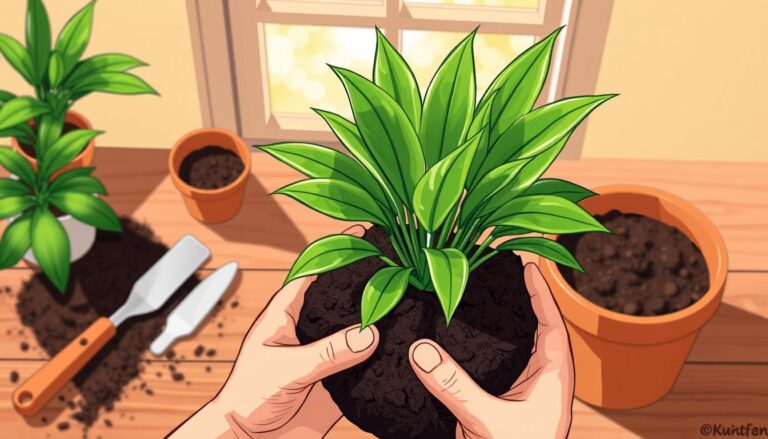
Here’s how to propagate:
New roots will appear in three to four weeks. For water propagation, change the water weekly to prevent bacterial growth. Once roots are several inches long, move your cutting to soil.
Even bare stem sections without leaves will produce new plants. Your original dracaena care indoors efforts reward you with fresh growth where cuts were made, letting you reshape your plant while starting fresh specimens.
Summer dracaena plant care is simple. You know what your plant needs in the warm months. Bright indirect light keeps it safe from too much sun. Regular watering helps it grow fast.
Monthly fertilizing boosts new leaf growth. These easy steps make a big difference in caring for your dracaena in summer.
Your dracaena is easy-going and tells you what it needs. It doesn’t need strict schedules. Every home is different, so watch how your plant reacts to these changes.
If leaves droop, it’s time to water more. If tips turn brown, add humidity. Listen to your plant and don’t worry about perfect timing.
The hard work you put into summer care will pay off. Your dracaena will grow strong and look beautiful. It will get healthier and more resilient every year.
As fall comes, slowly change back to winter care. Water less as it gets cooler. Stop fertilizing when growth slows. Move outdoor plants inside before it freezes.
Your dracaena will rest, ready for the cooler months. You’ve built a strong foundation for your plant to thrive all year.