Indoor Gardening for Beginners: A Complete Step-by-Step Guide

Introduction

Indoor gardening is becoming increasingly popular as more people look for ways to bring nature into their homes. Whether you live in an apartment or a house with limited outdoor space, indoor plants can improve air quality, reduce stress, and enhance your living environment.

If you are new to indoor gardening, this complete beginner’s guide will walk you through everything you need to know, from choosing the right plants to proper care and maintenance.

What Is Indoor Gardening?

Indoor gardening is the practice of growing plants inside your home using pots, containers, and controlled lighting conditions. Unlike outdoor gardening, indoor gardening allows you to grow plants year-round regardless of weather conditions.
Benefits of Indoor Gardening

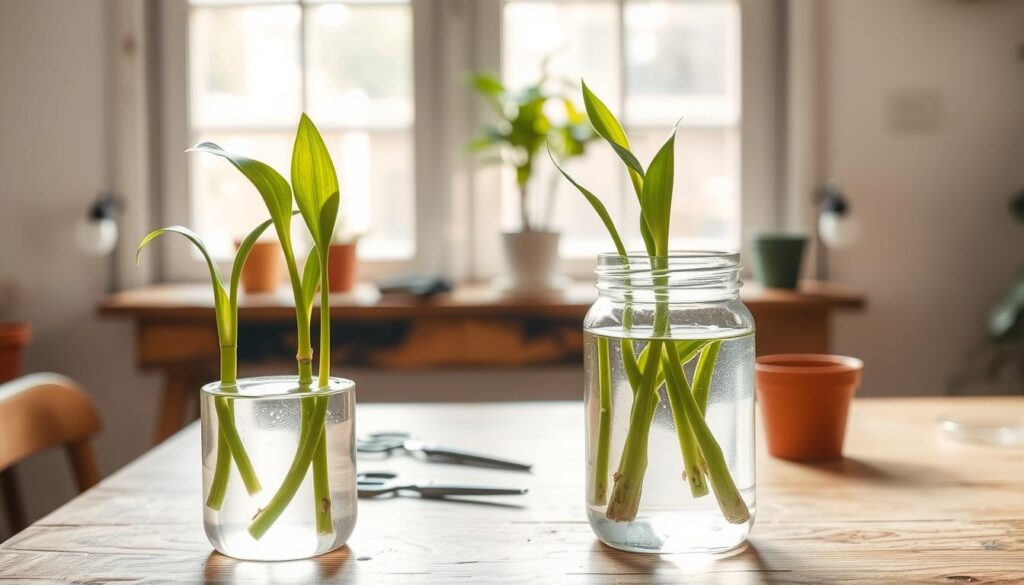
A serene indoor setting showcasing the water propagation method for Dracaena cuttings. In the foreground, a clear glass jar filled with fresh water holds several healthy Dracaena stem cuttings, their vibrant green leaves sprouting above the waterline. The cuttings are positioned at varying heights to illustrate growth stages. In the middle ground, a rustic wooden table is adorned with gardening tools, such as scissors and a small soil pot, suggesting preparation for future planting. The background features a softly lit window with gentle sunlight filtering through, casting warm highlights on the scene. The atmosphere is calm and nurturing, evoking a sense of growth and patience in plant propagation, captured with a soft focus effect for a dreamy quality.

🌿 Improves Air Quality

Some indoor plants can help reduce pollutants and increase oxygen levels in your home.

🧠 Reduces Stress and Boosts Mood

Studies show that plants can improve mental well-being and reduce anxiety.

🏡 Enhances Home Decor

Indoor plants add natural beauty and make your living space more welcoming.

🍃 Easy to Maintain

Many indoor plants require minimal care, making them perfect for beginners.
Best Indoor Plants for Beginners

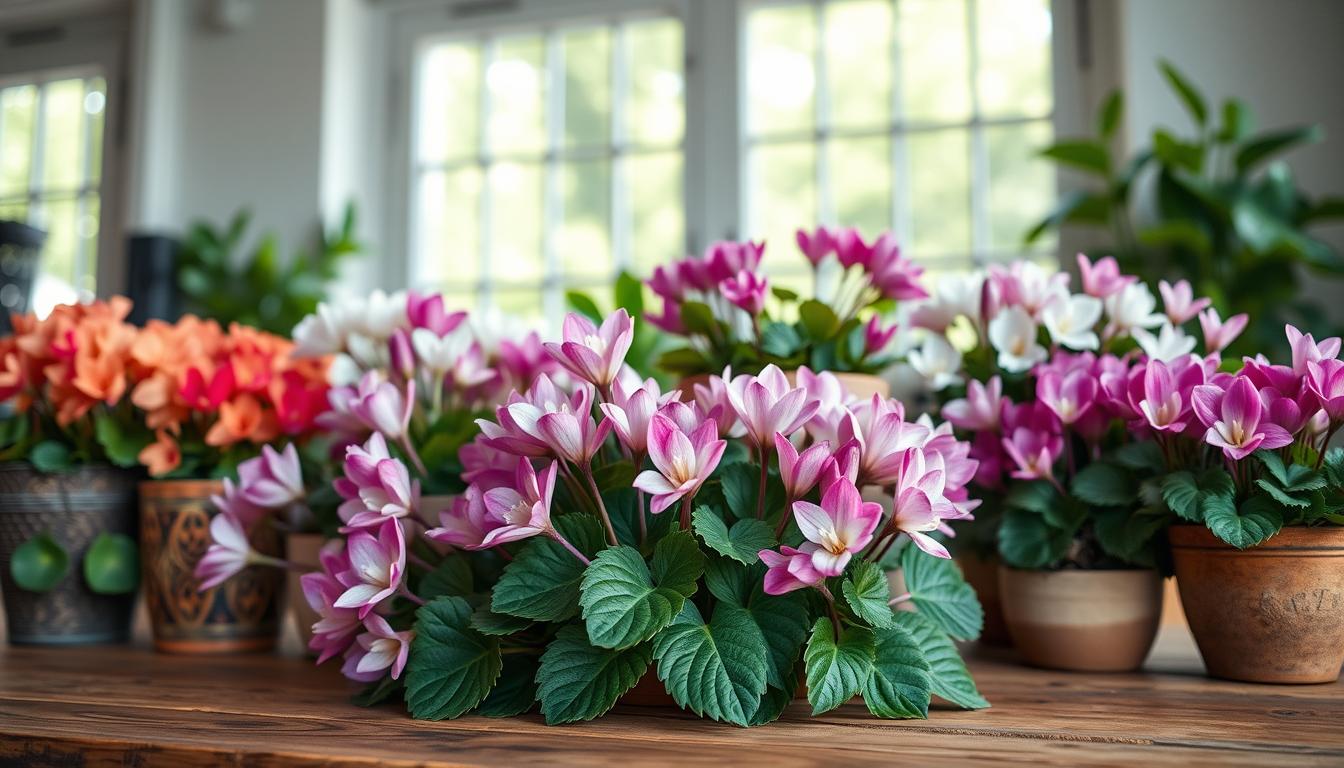
A beautifully arranged garden scene showcasing hardy perennials with heart-shaped leaves, specifically Cyclamen and Epimedium. In the foreground, delicate Cyclamen flowers bloom alongside lush, glossy green leaves, all shaped like hearts, their petals featuring shades of pink and white. In the middle ground, Epimedium plants spread gracefully, displaying intricate leaf patterns and soft yellow blossoms. The background features a softly blurred garden landscape, with hints of other greenery and sunlight filtering through, casting gentle shadows. The atmosphere is warm and inviting, evoking a sense of tranquility and love, perfect for a Valentine’s Day theme. Use natural morning light for a fresh, vibrant look, with a soft focus effect to highlight the perennials’ beauty. Aim for a slight upward angle to capture the plants’ lushness from an appealing perspective.

If you are just starting, choose plants that are easy to grow and require low maintenance.

1. Snake Plant (Sansevieria)

  • Very low water needs
  • Tolerates low light
  • Great for beginners

2. Pothos (Devil’s Ivy)

  • Fast-growing
  • Tolerates various lighting conditions
  • Perfect for hanging baskets

3. Spider Plant

  • Easy to propagate
  • Pet-friendly
  • Tolerates indirect light

4. ZZ Plant

  • Drought-tolerant
  • Grows well in low light
  • Very hardy

How to Choose the Right Location for Indoor Plants

☀️ Light Conditions

Light is one of the most important factors for indoor plants.

  • Bright indirect light: Best for most houseplants
  • Low light: Suitable for snake plants and ZZ plants
  • Direct sunlight: Good for succulents and cacti

How Often Should You Water Indoor Plants?

Watering is one of the most common mistakes beginners make.

💧 General Watering Tips

  • Check soil moisture before watering
  • Water when the top 1–2 inches of soil are dry
  • Avoid overwatering to prevent root rot

Best Soil for Indoor Plants

Using the right soil is essential for healthy plant growth.
  • Use well-draining potting mix
  • Avoid garden soil for indoor plants
  • Add perlite or sand for better drainage

How to Fertilize Indoor Plants

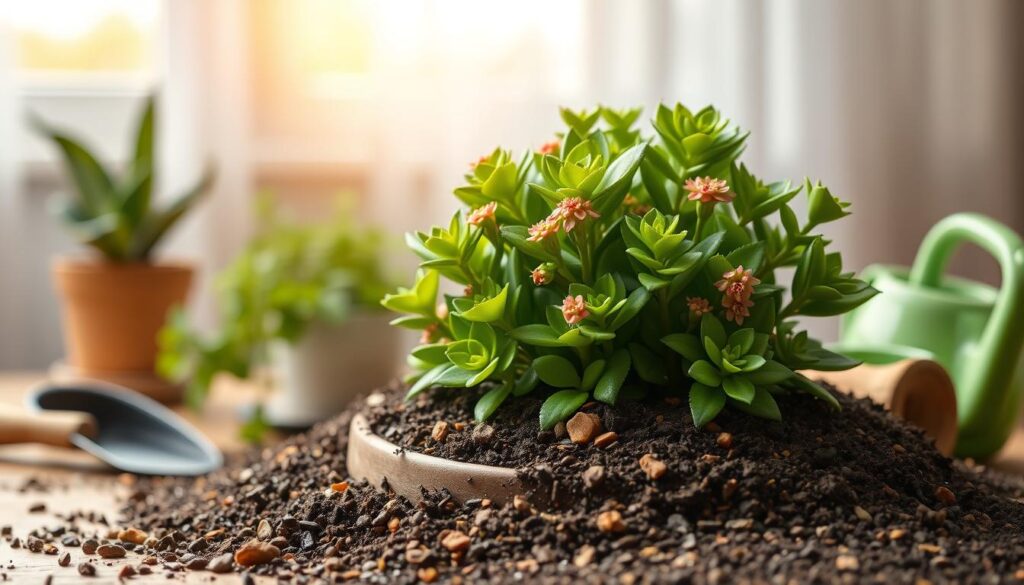
A lush Kalanchoe plant sits prominently in a rustic wooden pot filled with well-draining soil, surrounded by gardening tools such as a trowel and a small watering can. In the foreground, the textured soil showcases small pebbles and organic matter, emphasizing its suitability for cactus and succulent care. The middle ground features vibrant green Kalanchoe leaves, some with delicate clusters of colorful flowers blooming. The background includes a soft-focus view of a sunlit window with sheer curtains, casting gentle natural light that enhances the richness of the foliage. The mood is warm and inviting, portraying a sense of tranquility in plant care and nurturing. The composition is shot from a slightly elevated angle to showcase the pot and soil selection effectively.

Indoor plants need nutrients to grow properly.

🌱 Fertilizing Tips

  • Use liquid fertilizer once every 4–6 weeks
  • Reduce feeding in winter
  • Avoid over-fertilizing

Common Indoor Gardening Mistakes (And How to Avoid Them)

❌ Overwatering

Overwatering is the number one cause of plant death. Always check soil moisture first.

❌ Poor Lighting

Placing plants in dark corners can slow growth and cause yellow leaves.

❌ Using the Wrong Pot Size

Choose pots with drainage holes and avoid oversized containers.

❌ Ignoring Humidity

Some plants need higher humidity levels. You can use a humidifier or mist leaves regularly.


How to Repot Indoor Plants

Repotting helps plants grow and prevents root-bound issues.

Steps to Repot:

  1. Choose a pot 1–2 inches larger than the current one
  2. Add fresh potting soil
  3. Gently remove the plant
  4. Place it in the new pot and water lightly

Indoor Gardening Tips for Beginners

  • Start with easy plants
  • Observe your plants regularly
  • Keep a watering schedule
  • Rotate plants for even light exposure
  • Clean leaves to remove dust

Frequently Asked Questions (FAQ)

How many plants should beginners start with?

Start with 2–5 easy-care plants to avoid feeling overwhelmed.

Do indoor plants need sunlight?

Yes, but most prefer indirect sunlight rather than direct sun.

Can I grow vegetables indoors?

Yes, herbs like basil, mint, and parsley grow well indoors with proper lighting.


Final Thoughts

Indoor gardening is a rewarding hobby that anyone can start, even with no prior experience. By choosing beginner-friendly plants, providing proper light, watering correctly, and avoiding common mistakes, you can enjoy healthy and beautiful indoor plants all year round.

Start small, learn from your plants, and watch your indoor garden thrive 🌱