Physical Address
304 North Cardinal St.
Dorchester Center, MA 02124
Physical Address
304 North Cardinal St.
Dorchester Center, MA 02124
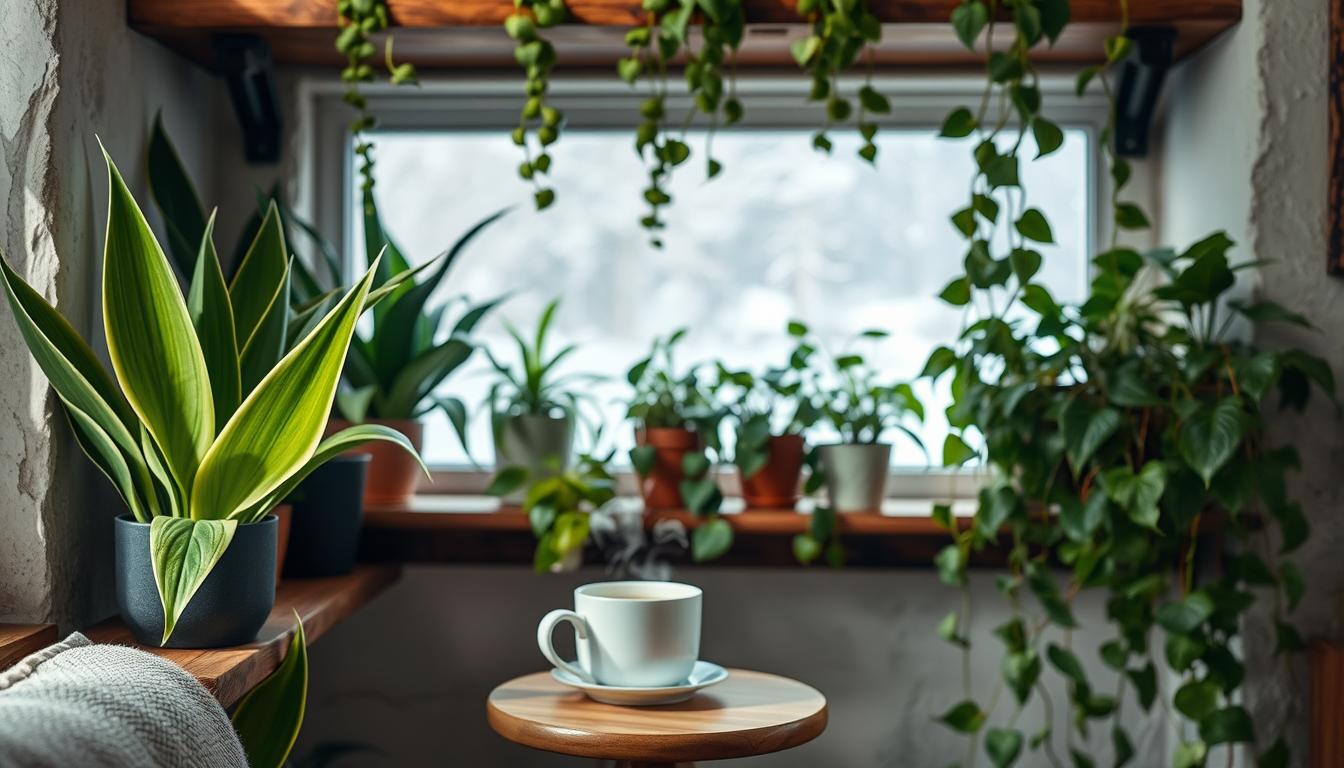
Indoor plants low light thrive even in winter’s gloom. Winter in the United States is tough for indoor plant lovers. With less daylight, keeping plants alive in January is hard. Finding the right plants for low light is key.
Winter plants are more than just decorations. They’re tough and can make dark places bright and green. Even in places with little light, like basements or north-facing rooms, some plants can do well.
This guide will show you the best plants for January. You’ll learn which ones can make your home bright and green, even in the dark.
Indoor plants can brighten up dark rooms. But, it’s key to know about low light conditions for them to thrive. Not all plants can handle dim spaces well.
When we talk about low light plants indoor, we mean those that can survive with less light. These plants stay green and healthy even in low light.
Plants need the right conditions to grow well. Some can handle ambient light, but they might not look their best. Plants for dark rooms have special traits to survive in tough environments.
Being low light tolerant doesn’t mean a plant can grow in complete darkness. It means a plant can:
Think of these plants as the survivors of the botanical world. They won’t grow a lot, but they’ll stay healthy and look good.
Winter changes indoor light a lot. Days are shorter, and the sun is lower. This makes indoor spaces seem darker.
Plants that handle this well are very useful in winter. They turn dark spaces into green havens. With the right plants, you can keep your indoor garden alive, even when it’s dark outside.
Choosing the right plants for dark spaces is key. Variegated plants, with their white, yellow, or cream patterns, need more care than solid green ones. This is because they have less chlorophyll, which is important for photosynthesis.
Variegated plants often change to solid green in low light. This is a way for them to survive. The colored parts of the leaves can’t make food well in dark places.
For very dark areas, pick plants with little or no variegation. While colorful leaves are pretty, they may lose their appeal when the plant adapts to less light.
Not all variegations are created equal – some are more adaptable than others!
| Variegation Type | Low Light Performance |
|---|---|
| Minimal Variegation | Good Adaptation |
| High Contrast Variegation | Poor Adaptation |
| Solid Green Varieties | Excellent Performance |
Knowing these details helps you pick the right variegated plants for your dark indoor spots.
Explore the Victorian world of houseplants with the Aspidistra elatior. This plant is known as the “cast iron plant” for its ability to grow well in tough indoor spots.
The Aspidistra is a top pick for low light, thanks to its long history in 19th-century homes. It’s loved for its ability to survive in dark corners and hard-to-reach spots.
Looking after a cast iron plant is easy. Here are some important care tips:
| Care Aspect | Recommendation |
|---|---|
| Watering Frequency | Every 2-3 weeks |
| Fertilization | Minimal – once per season |
| Ideal Location | Dark corners, hallways, north-facing rooms |
Your cast iron plant is a winter star. Unlike tropical plants that struggle with reduced sunlight, it keeps its dark green leaves looking great with little care. It’s slow-growing and easy to care for, making it a top choice for indoor plants.
Victorian gardeners loved this plant for its toughness. Today, it’s still a favorite for its amazing ability to thrive in tough spots.
Looking for low light plants for indoors? Golden pothos (Epipremnum aureum) and heart leaf philodendron (Philodendron scandens) are top picks. They turn dark corners into green havens, especially in winter.
Golden pothos is great for low light. Its leaves stay bright even with little light. It grows well in hanging baskets or on shelves.
Heart leaf philodendron is another great choice for shade. It grows well in dark spots, with leaves that look like hearts. They cascade beautifully.
Here are some care tips for these plants:
These plants are perfect for anyone, beginners or experts. They add life to your home with little effort.
Looking for easy plants for low light? The ZZ plant and snake plant are top picks. They’re great for adding greenery to dark spots in your home.
Winter can be tough for indoor plants. But the ZZ plant and snake plant do well in little light. They have special traits that help them survive with less sunlight.
The ZZ plant is easy to care for in winter. It’s perfect for dark places because of its unique features:
When watering your ZZ plant in low light, be careful. Its water-storing rhizomes can rot if you water too much in the dark months.
Snake plants are known for doing well in low light. But they actually do best with some indirect light:
| Light Condition | Snake Plant Performance |
|---|---|
| Extremely Low Light | Survives but doesn’t grow well |
| Moderate Indirect Light | Robust growth, healthy leaves |
| Bright Indirect Light | Optimal growth and appearance |
Place your snake plant near north-facing windows or in rooms with filtered light. Remember, these plants prefer to dry out completely between waterings. This makes them great for people who forget to water their plants.
Looking for houseplants that don’t cost much and do well in little light? Peace lilies and Chinese evergreens are great choices. They turn dark spots into green havens without spending a lot.
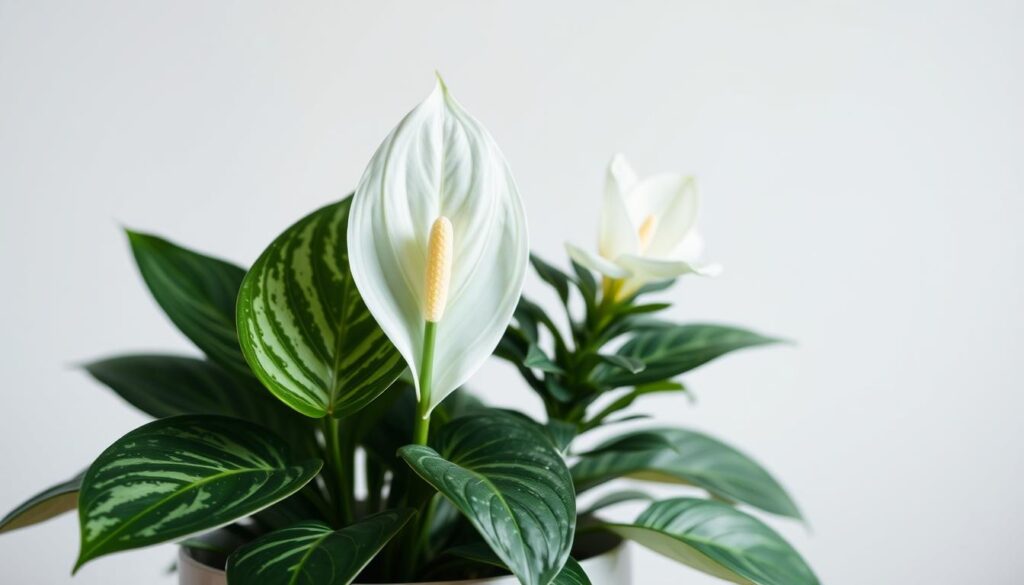
Peace lilies (Spathiphyllum) are top picks for low-light spots. They handle little light well, perfect for homes, offices, and dim rooms. Their white flowers add elegance to any room.
Chinese evergreens (Aglaonema) are also great for low-light spots. They come in many colors and patterns. The classic green ones are the most versatile. They grow slowly but steadily, making spaces fuller with little effort.
| Plant Characteristic | Peace Lily | Chinese Evergreen |
|---|---|---|
| Light Requirements | Very Low | Low to Medium |
| Watering Frequency | When Leaves Droop | When Top Inch Dry |
| Price Range | $10-$25 | $15-$30 |
Both plants need little care and do well in 60-75°F temperatures. They’re ideal for winter when light is scarce.
Finding low light indoor plants safe for cats can be tough. Palms and ferns are elegant solutions that grow well in little light. They add green beauty without risking your pet’s safety.
Plant lovers want non-toxic plants to make dark spots bright. We’ll look at two great palms and some top ferns to brighten your home.
Parlor palm and Kentia palm are great for dark places. They’re adaptable and safe for pets.
| Feature | Parlor Palm | Kentia Palm |
|---|---|---|
| Height | 3-4 feet | 5-7 feet |
| Light Requirements | Low to medium | Low to medium |
| Pet Safety | Non-toxic | Non-toxic |
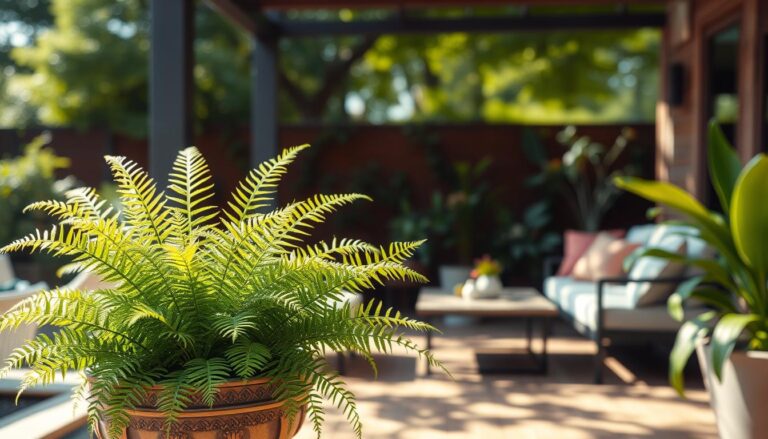
Ferns for low light can make your home look better. Some great ones are:
Choose these plants for low light, but they need some indirect light. Keep them moist and mist them now and then for best growth.
It can be hard to move houseplants to new spots, especially to dark areas. Your plants are delicate and need gentle care during these changes. This helps avoid shock and stress.
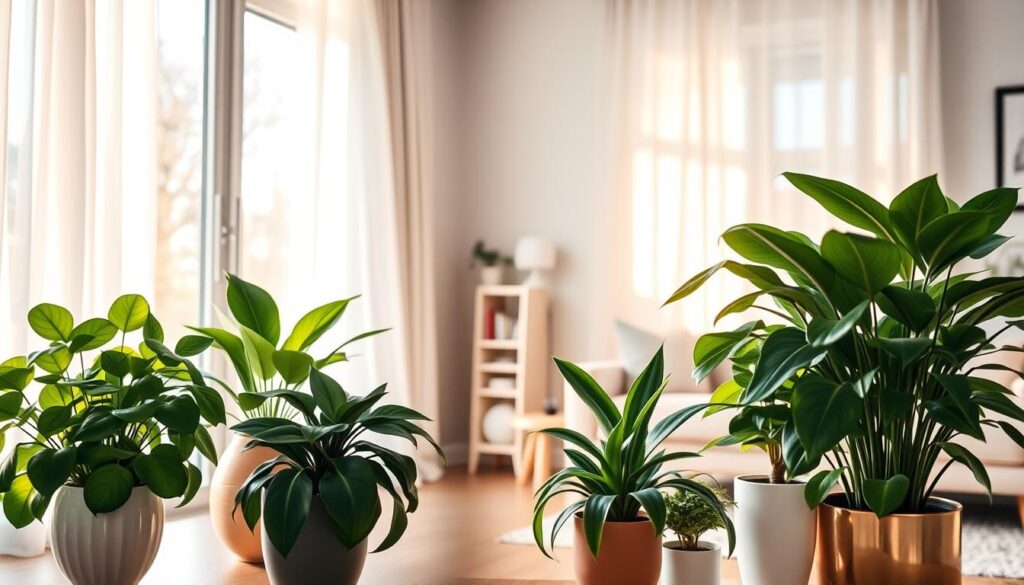
When you move plants or change your garden layout, follow important steps. These steps help prevent shock:
Patience is key when moving plants. Slow and steady wins the race for your plants. Start by letting them get used to the new spot for just an hour a day. Then, slowly increase the time they spend there.
“Your plants will be happier and less likely to react adversely when transitioned carefully.”
Not all plants adjust the same way. Slow-growing plants like ZZ plants and snake plants usually adapt better. But fast-growing tropical plants might need more care. Also, remember to water them less in low light, as they need less moisture.
Every plant is different. Watch your plants closely and adjust your care based on how they react to their new home.
Winter doesn’t mean the end of your indoor plant journey. You can keep your home green even when it’s dark outside. Just pick plants that do well in low light.
Winter plant care is about going with nature’s flow. Plants like ZZ plants, snake plants, and peace lilies are great for low light. They make your home bright and colorful, even when it’s cold outside.
Every plant is different, so choose wisely. Plants like cast iron and pothos do well in the dark. Match your plants to your home’s light to make your garden thrive.
Don’t be afraid to try new things. Start with a few easy plants and add more as you learn. Your indoor garden will make you happy, clean the air, and fight off winter blues.
…our list of the Best Low-Light Plants.