Physical Address
304 North Cardinal St.
Dorchester Center, MA 02124
Physical Address
304 North Cardinal St.
Dorchester Center, MA 02124
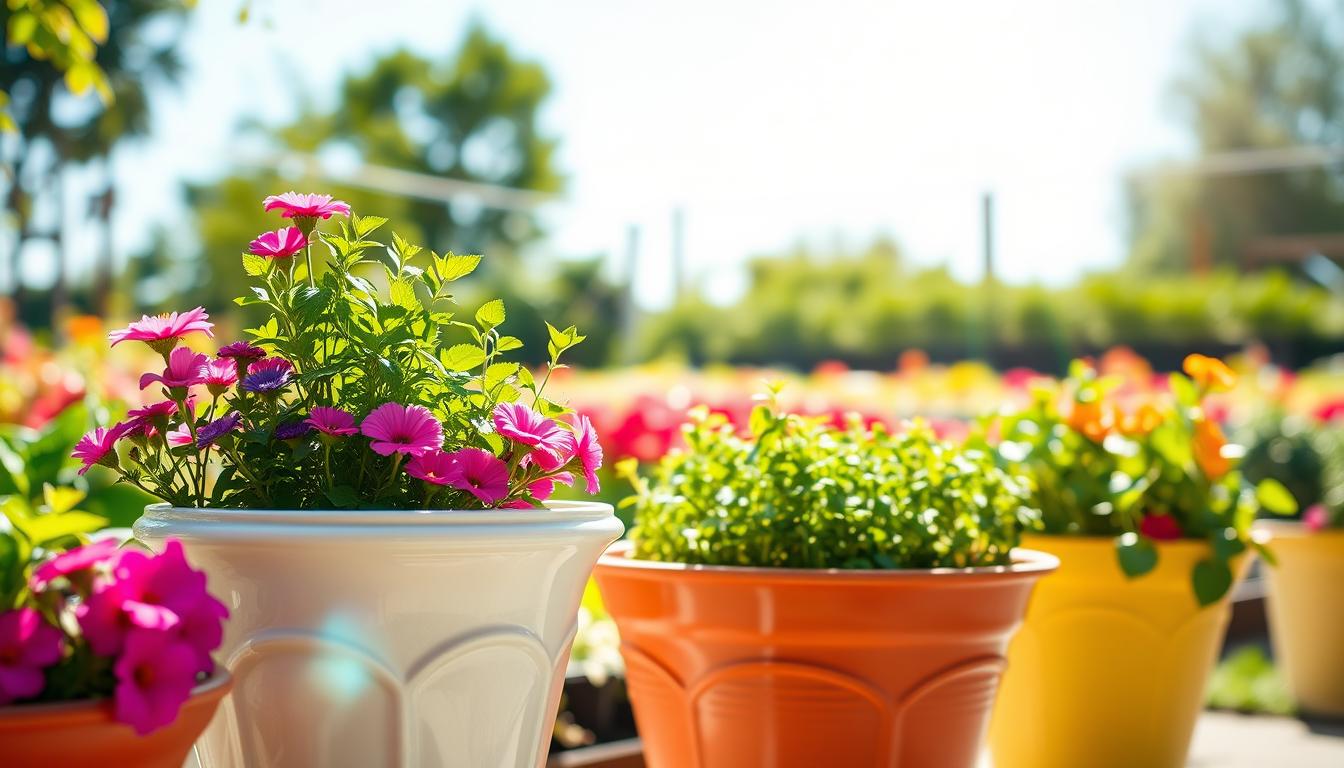
Self-watering pots are convenient, but knowing their downsides is key for a summer garden. Summer heat can make these systems less effective if not managed well. High humidity or intense sun can highlight weaknesses in self-watering designs.
High humidity in summer can be a big problem. Self-watering systems keep soil moist, but this can be a bad thing in damp climates. Plants need less water in humid weather, but the system keeps delivering it.
Plants that don’t like wet feet suffer the most. Herbs, succulents, and lavender prefer dry spells. But your self-watering pot keeps giving them moisture, even when it’s already too wet.
Root rot is a major issue from too much water. Once roots start rotting, it’s hard to save the plant. It’s crucial to have planters with overflow to prevent flooding during heavy rain.
Heat stress adds to the summer woes of self-watering systems. Water in the reservoir can get too warm for roots. Dark planters absorb more sun, making it worse.
Here are some ways to manage temperature:
The pros and cons of self watering pots change with temperature. They’re less effective for plants needing exact moisture levels. The cost is higher than regular pots, so you need the right conditions to make it worth it.
Choosing the right plants for self watering pots is key to a successful summer garden. Not all plants do well with these systems. You need to pick plants that like the steady moisture these planters provide.
Knowing how much water your plants need is important. This helps avoid problems like root rot or wilting. Different plants do best in different conditions, so it’s important to match your plants to your planter.
Moisture-loving plants are perfect for self-watering systems. These plants love steady water during the hot months when it’s hard to water them.
| Plant Type | Best For Self-Watering | Planter Depth Needed | Summer Benefits |
|---|---|---|---|
| Tomatoes | Yes – Excellent | Deep (12+ inches) | Steady fruit production |
| Basil & Parsley | Yes – Excellent | Medium (8-10 inches) | Prevents wilting |
| Cucumbers | Yes – Excellent | Deep (10+ inches) | Consistent growth |
| Petunias | Yes – Excellent | Medium (8 inches) | Continuous blooms |
| Rosemary | No – Poor | Shallow (6 inches) | Risk of root rot |
| Succulents | No – Poor | Shallow (4-6 inches) | Rot from excess moisture |
Vegetables like tomatoes, peppers, lettuce, and cucumbers do well in self-watering systems. They need steady moisture to grow fruit and handle the heat. Leafy greens also benefit from the stable moisture these planters provide.
Herbs like basil, parsley, cilantro, and mint love the steady moisture. This prevents them from drying out on hot days. They grow faster and stay healthier with regular watering.
Avoid using succulents, cacti, and Mediterranean herbs like rosemary and thyme in deep-reservoir self-watering pots. These plants need dry periods between watering and will develop root rot from constant moisture. Your summer climate matters too. Hot, dry regions benefit from deep reservoirs, while hot, humid areas need shallower water storage to prevent fungal issues.
Match planter depth to your plant roots. Shallow-rooted herbs need smaller pots, while deep-rooted vegetables demand larger containers. Group plants with similar water needs together for easier management throughout summer.
Choosing the right self watering pots summer setup is key for your plants’ survival in the heat. Your choice depends on the planter’s location, refill frequency, and the plants you’re growing. Knowing the key features helps you find the perfect planter for your needs.
The material of your planter affects its durability in the summer sun. For outdoor gardens, UV-resistant materials protect your plants and investment. Look for high-grade polyethylene, polypropylene, or HDPE plastic that’s UV-stabilized. These materials won’t crack or fade from the sun’s strong rays.
Light-colored planters are better than dark ones in the summer heat. White, beige, and light gray surfaces reflect sunlight, keeping the water cooler. This prevents root stress from overheating.
Ceramic and terracotta composites are beautiful but may chip in the sun. They lack UV protection unless treated specially. For indoor spaces near sunny windows, quality resin composites work well and come in many styles.
| Planter Materials | Best Use | Durability Level | Heat Resistance |
|---|---|---|---|
| UV-stabilized plastic | Outdoor summer gardens | High | Excellent |
| HDPE polyethylene | High-sun areas | High | Excellent |
| Ceramic composite | Indoor near windows | Moderate | Good |
| Resin composite | Indoor decorative use | Moderate | Good |
| Terracotta composite | Shaded outdoor areas | Moderate | Fair |
The size of your reservoir affects how often you need to refill it. Larger reservoirs mean less frequent watering, which is great if you’re busy. Smaller reservoirs need more attention.
Here’s a guide to match reservoir size with your lifestyle:
Look for features like a water level indicator, overflow ports, and easy-access fill openings. Make sure the planter fits your plants and outdoor space.
A reservoir holding at least 1 gallon can hydrate plants for 2-4 weeks during peak summer months.
Consider your summer schedule when selecting planter size. Choose what matches your availability and keeps your plants thriving all season long.