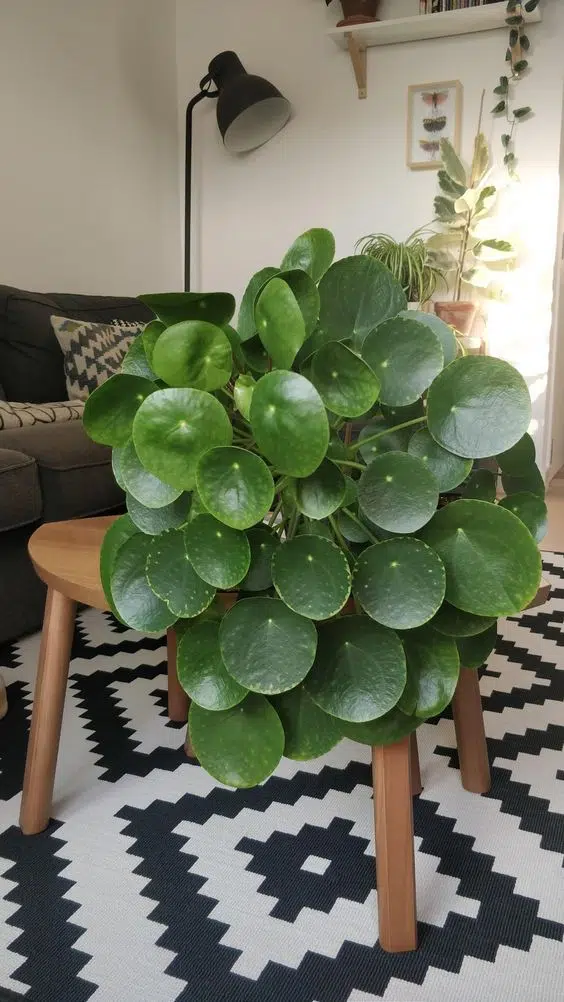
Why Your Indoor Plants Are Dying: 7 Common Causes and How to Fix Them

Introduction

Many beginners struggle with indoor plants because they start dying without any clear reason. Yellow leaves, drooping stems, or slow growth are common problems that can frustrate plant owners.

The good news is that most indoor plant problems are easy to fix once you understand the causes. In this guide, you will learn the 7 most common reasons why indoor plants die and how to save them.

1. Overwatering (The #1 Killer of Houseplants)

Overwatering is the most common reason indoor plants die. When plants receive too much water, their roots cannot breathe, leading to root rot and fungal diseases.
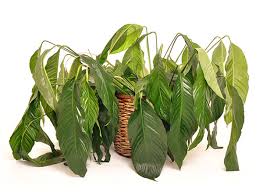
Signs of Overwatering

  • Yellow or brown leaves
  • Mushy stems
  • Bad smell from the soil

How to Fix It

  • Let the soil dry out before watering again
  • Use pots with drainage holes
  • Use well-draining potting soil

2. Underwatering (Not Enough Water)

While overwatering is common, underwatering can also cause serious problems. Dry soil prevents plants from absorbing nutrients.

Signs of Underwatering

  • Wilting leaves
  • Dry and crispy leaf edges
  • Soil pulling away from the pot

How to Fix It

  • Check soil moisture regularly
  • Water thoroughly until water drains from the bottom
  • Create a simple watering schedule

3. Poor Lighting Conditions

Light is essential for photosynthesis. Without enough light, plants cannot grow properly.
Signs of Poor Lighting

  • Slow growth
  • Pale leaves
  • Leggy or stretched stems

How to Fix It

  • Place plants near windows with indirect sunlight
  • Use grow lights if natural light is limited
  • Rotate plants for even growth

4. Using the Wrong Soil Mix

Garden soil is too heavy for indoor plants and can trap water, leading to root problems.

Best Soil Tips

  • Use commercial potting mix
  • Add perlite or sand for drainage
  • Avoid compacted soil

5. Lack of Humidity

Many houseplants come from tropical environments and need higher humidity levels.

Signs of Low Humidity

  • Brown leaf tips
  • Curling leaves
  • Slow growth

How to Increase Humidity

  • Use a humidifier
  • Mist plants regularly
  • Place a water tray near plants

6. Pests and Insects

Indoor plants can be attacked by pests like spider mites, aphids, and fungus gnats.
Common Pest Signs

  • Tiny insects on leaves
  • Sticky residue
  • Holes or spots on leaves

How to Treat Pests

  • Wash leaves with water
  • Use neem oil or insecticidal soap
  • Isolate infected plants

7. Wrong Pot Size or No Drainage

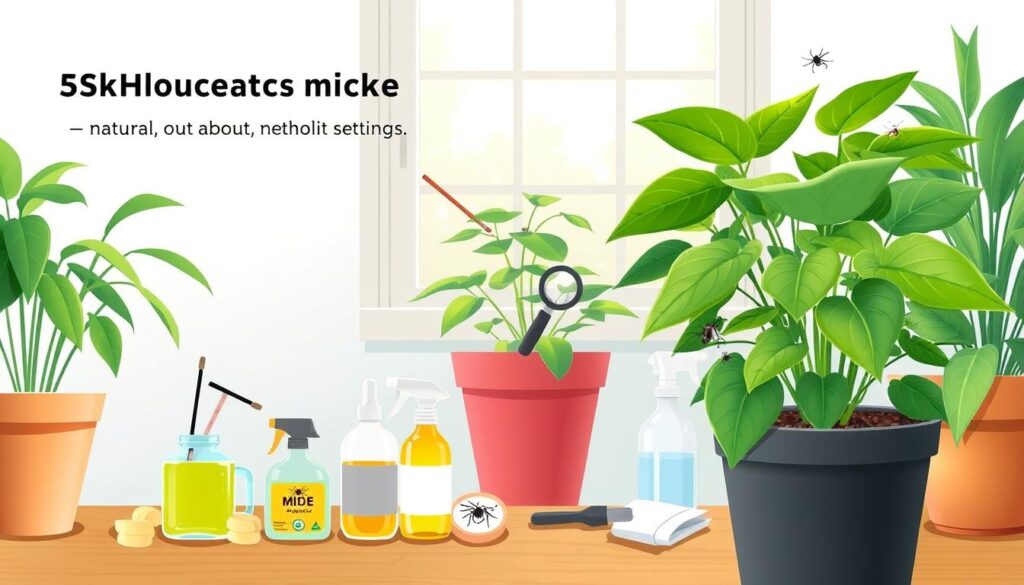
A detailed illustration of various spider mite control methods for houseplants, featuring a vibrant indoor plant setting. In the foreground, showcase a healthy potted plant with visible spider mites being treated with natural solutions like neem oil and insecticidal soap, depicted in small spray bottles next to the plant. In the middle, display an unoccupied plant care station with tools such as a magnifying glass, cotton swabs, and gloves, emphasizing a hands-on approach to pest control. The background should feature a sunlit window with soft, diffused natural light illuminating the scene, creating an inviting and peaceful atmosphere. The composition should focus on educating viewers about natural methods while showcasing the beauty of houseplants, with a balanced and serene feel.

Using pots without drainage holes can trap water and suffocate roots.

Tips for Pot Selection

  • Choose pots with drainage holes
  • Avoid oversized pots
  • Repot plants when roots outgrow the container

How to Save a Dying Indoor Plant

If your plant is already struggling, follow these steps:

  1. Check soil moisture
  2. Inspect roots for rot
  3. Move the plant to better light
  4. Remove damaged leaves
  5. Adjust watering and humidity

Indoor Plant Care Tips for Beginners

  • Start with easy plants like snake plant or pothos
  • Observe your plants weekly
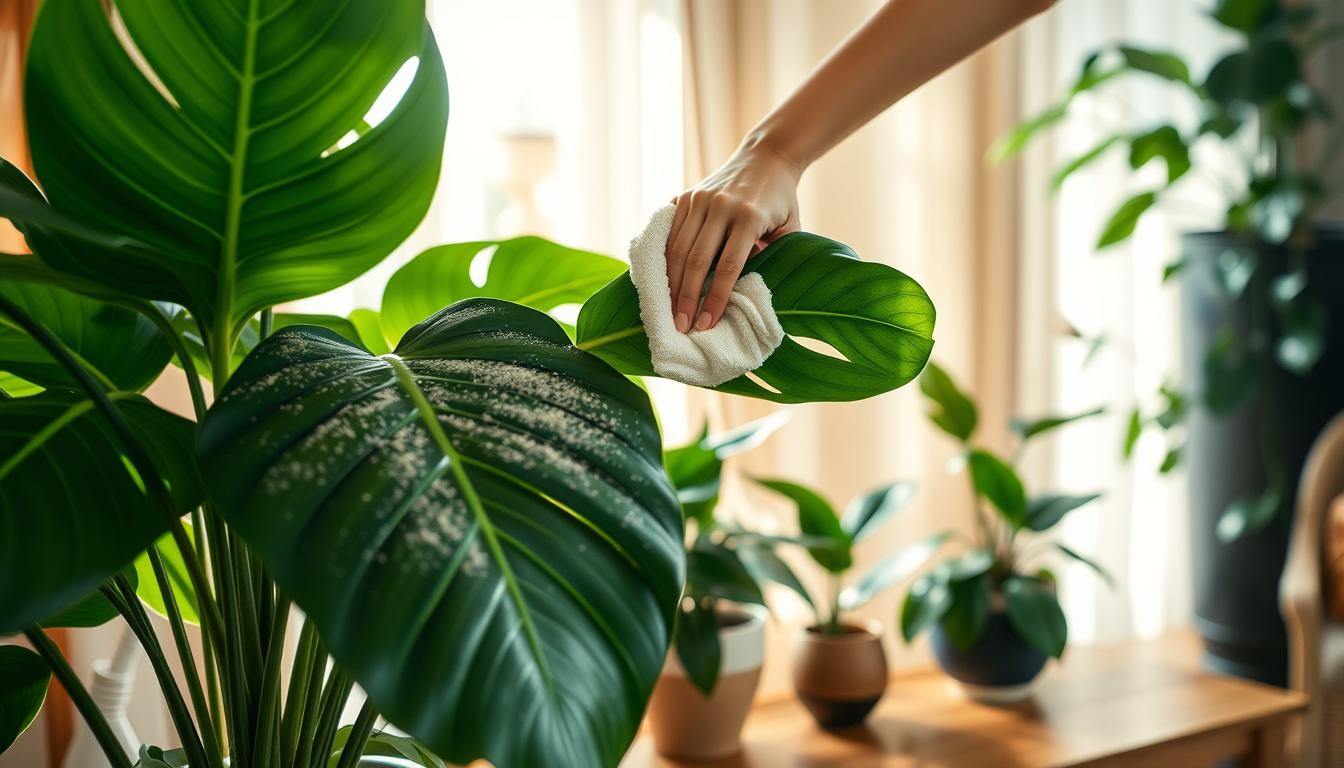
  • Keep leaves clean from dust
  • Use a simple care schedule
  • Avoid moving plants too often

Frequently Asked Questions (FAQ)

How often should I water indoor plants?

Most plants need watering when the top inch of soil is dry, usually once every 7–10 days.

Can indoor plants recover after dying?

Yes, many plants can recover if you fix the problem early.

Do indoor plants need fertilizer?

Yes, use a balanced fertilizer every 4–6 weeks during the growing season.

Final Thought

Indoor plants can die for many reasons, but most problems are preventable with proper care. By understanding watering, lighting, soil, humidity, and pest control, you can keep your houseplants healthy and thriving.

Remember, every plant is different, so observe and adjust care as needed 🌱