Physical Address
304 North Cardinal St.
Dorchester Center, MA 02124
Physical Address
304 North Cardinal St.
Dorchester Center, MA 02124

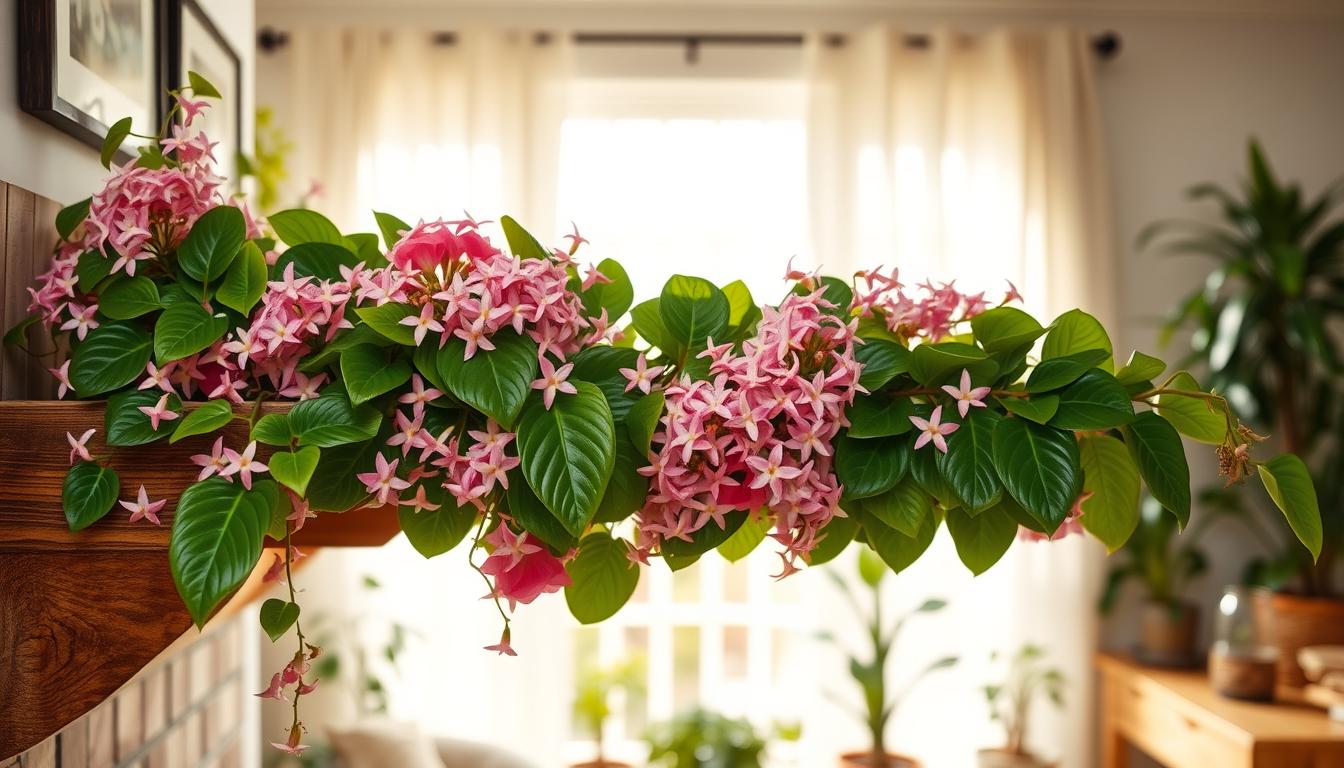
Summer is here, and your hoya plant is sitting by the window. Its waxy leaves shine in the light, making you happy. You’ve heard hoyas can bloom with beautiful, fragrant flowers, but yours isn’t blooming. You want your plant to thrive, and summer is the perfect time to improve its care.
Hoyas, also known as wax plants or porcelain flowers, are loved for their beauty. They come from Asia and have delicate, star-shaped flowers that form perfect balls. These flowers smell sweet, filling your room with a natural scent. Taking good care of your hoya in the summer will help it bloom beautifully.
Hoyas are unique because they need very little but give a lot back. They can live up to 30 years indoors with the right care. Caring for your hoya doesn’t need to be complicated. It just requires understanding what these tropical plants need during their active season.
This guide will cover everything you need to know about caring for your hoya in the summer. You’ll learn how to place your plant for the best light, water it correctly, and make the soil right for growth. You’ll also find out how to make your hoya bloom. By the end, your hoya will be happy and healthy.
Hoyas are fascinating houseplants that deserve a closer look before you begin your summer hoya care routine. These tropical vines bring unique charm and beauty to any indoor space. Learning about what makes them special helps you grow them successfully. Understanding where they come from and why they behave certain ways is key to keeping them healthy and happy during the warm months ahead.
Hoyas stand out from other houseplants in several important ways. These evergreen vines feature thick, waxy leaves that look almost plastic-like to the touch. Their most striking feature is their spectacular flowers. The blooms grow in ball-shaped clusters called umbels, which can contain up to 40 individual star-shaped flowers.
Your hoya care routine should account for one special trait: hoyas are epiphytic plants. In nature, they grow on other plants high in tree canopies rather than on the ground. This explains why they need well-draining soil and can actually survive short dry periods. Understanding this growth habit improves your hoya care approach dramatically.
The story of hoyas in Western homes is relatively recent. Scottish botanist Robert Brown introduced these plants to the Western world in the early 1800s. He named them after Thomas Hoy, an 18th-century botanist who worked for the Duke of Northumberland. The first hoya was scientifically described in 1810, launching these plants into cultivation.
Hoyas originate from subtropical and tropical regions across Asia, Australia, and the western Pacific islands. The Philippines, Indonesia, Malaysia, and Papua New Guinea have the greatest diversity of hoya species. Scientists have identified between 600 and 700 different species within the Hoya genus. This broad geographic range explains why hoyas thrive in warm, humid conditions. Your summer hoya care will feel natural to these plants since summer weather mimics their native tropical environment perfectly.
| Native Region | Hoya Diversity | Climate Type |
|---|---|---|
| Philippines | Highest concentration | Tropical |
| Indonesia | Very high diversity | Tropical |
| Malaysia | High diversity | Tropical |
| Papua New Guinea | Significant species | Tropical |
| Australia | Notable varieties | Subtropical to tropical |
The most common species you’ll find for sale is Hoya carnosa, also called the wax plant or wax flower. This plant belongs to the Apocynaceae family, which also includes milkweed. Knowing your hoya’s tropical origins helps explain its preferences during summer months. These plants love warmth, humidity, and bright indirect light—conditions that summer naturally provides in most American homes.
Summer is the perfect time to focus on your summer blooming houseplant care. Hoyas are tropical plants that thrive in warm months. They match their native environment perfectly. Knowing the basics of hoya care is key to success.
Your hoya grows most vigorously in summer. This season’s warm, bright conditions are like tropical rainforests. As a summer blooming houseplant owner, mastering five key care elements is crucial. These elements promote healthy growth and stunning flowers.
The foundation of successful hoya care is understanding what your plant needs:
These elements work together. More summer light means more watering. Higher temperatures make keeping humidity high even more important for your plant.
| Care Element | Summer Requirements | Why It Matters |
|---|---|---|
| Light | 1500-2000 foot candles | Promotes vigorous growth and flower production |
| Watering | Moderate with drying periods | Prevents root rot while supporting active growth |
| Temperature | 68-75°F | Matches tropical native conditions |
| Humidity | 60% or higher | Reduces stress and encourages blooming |
| Soil Drainage | Well-draining mixture | Essential for preventing fungal issues |
Many people think hoyas are hard to grow. But, they’re actually quite easy once you know their basic needs. Your summer blooming houseplant will grow vigorously and bloom beautifully with proper care.
Hoyas are forgiving plants that adapt well to various indoor conditions. Optimal care in summer, their active growing season, leads to abundant blooms and lush foliage. This will impress any plant lover.