Physical Address
304 North Cardinal St.
Dorchester Center, MA 02124
Physical Address
304 North Cardinal St.
Dorchester Center, MA 02124
Introduction
Many beginners struggle with indoor plants because they start dying without any clear reason. Yellow leaves, drooping stems, or slow growth are common problems that can frustrate plant owners.
The good news is that most indoor plant problems are easy to fix once you understand the causes. In this guide, you will learn the 7 most common reasons why indoor plants die and how to save them.
Overwatering is the most common reason indoor plants die. When plants receive too much water, their roots cannot breathe, leading to root rot and fungal diseases.
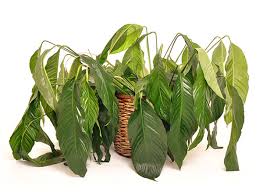
While overwatering is common, underwatering can also cause serious problems. Dry soil prevents plants from absorbing nutrients.
Light is essential for photosynthesis. Without enough light, plants cannot grow properly.
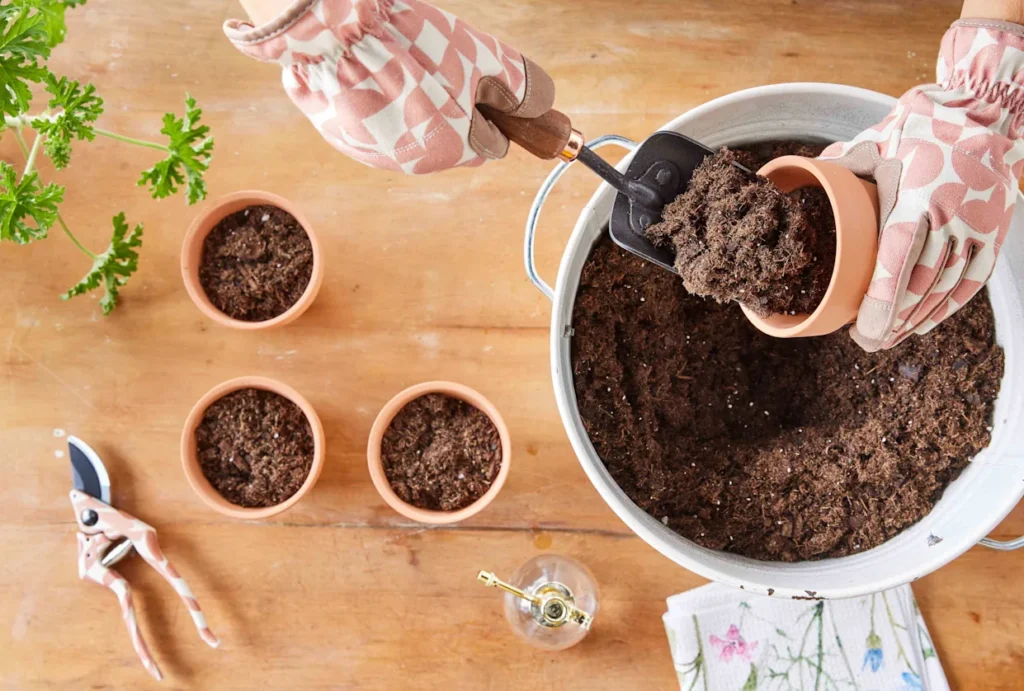
Garden soil is too heavy for indoor plants and can trap water, leading to root problems.
Many houseplants come from tropical environments and need higher humidity levels.
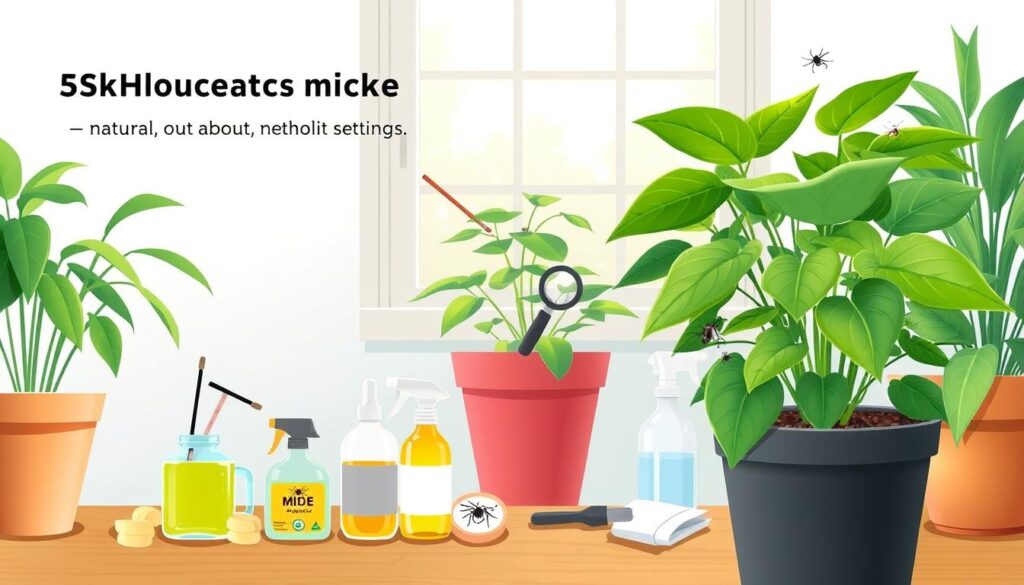
Indoor plants can be attacked by pests like spider mites, aphids, and fungus gnats.
Using pots without drainage holes can trap water and suffocate roots.
If your plant is already struggling, follow these steps:
Most plants need watering when the top inch of soil is dry, usually once every 7–10 days.
Yes, many plants can recover if you fix the problem early.
Yes, use a balanced fertilizer every 4–6 weeks during the growing season.
Indoor plants can die for many reasons, but most problems are preventable with proper care. By understanding watering, lighting, soil, humidity, and pest control, you can keep your houseplants healthy and thriving.
Remember, every plant is different, so observe and adjust care as needed 🌱