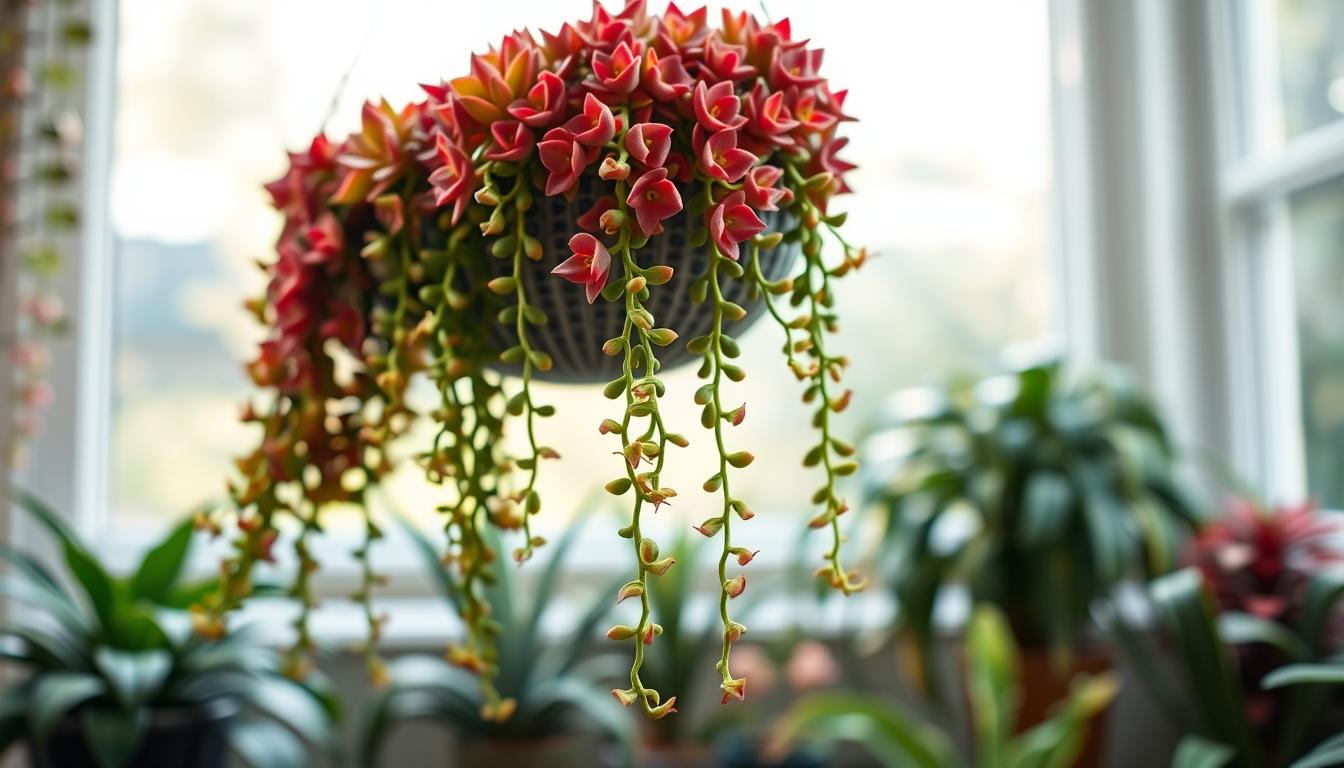
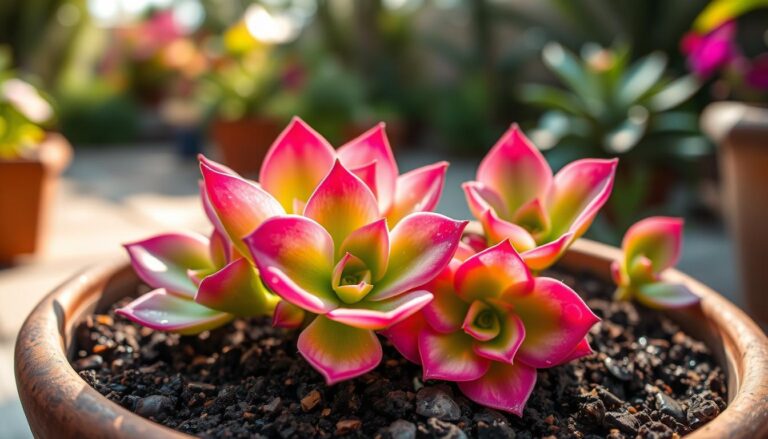
Vining Succulent Plants: Care Guide Featuring the Rare Kalanchoe Porphyrocalyx

You stand in front of your window, watching sunlight stream across empty shelves. Your home feels bare, lacking the green life that makes a space feel alive. Many people feel this same pull toward nature, even when living in apartments or small spaces. Vining succulents offer you a solution that transforms corners and walls into thriving gardens.

These trailing plants do something special. They grow downward and cascade over edges, creating living art that brings movement and color to your surroundings. Unlike traditional potted plants that sit upright and demand floor space, vining succulents adapt to hanging baskets and wall displays. You get beautiful greenery without taking up precious room.

The Kalanchoe Porphyrocalyx stands out among vining succulents. This rare variety features thick, colorful foliage that deepens in tone when exposed to light. Growing this unique plant teaches you patience and connection to nature. Your care becomes a daily ritual that grounds you and creates purpose.

This guide walks you through everything you need to know about caring for vining succulents. You’ll learn how to give them the right light, water, and soil. You’ll discover propagation secrets that let you expand your collection. By the end, you’ll have the confidence to grow these remarkable plants successfully.

Key Takeaways

  • Vining succulents grow downward and cascade beautifully in hanging displays and wall containers
  • Kalanchoe Porphyrocalyx is a rare variety with striking colored foliage that changes in bright light
  • Proper drainage and well-draining soil are essential for healthy trailing succulent growth
  • These plants need bright light but can suffer from intense afternoon sun exposure
  • Watering should be infrequent, allowing soil to dry completely between waterings
  • Vining succulents propagate easily from leaves and stem cuttings for expanding your collection
  • String of Pearls, Burro’s Tail, and String of Dolphins are popular companions to Kalanchoe Porphyrocalyx

Understanding Vining Succulent Plants and Their Unique Characteristics

Vining succulent plants are different from regular succulents. They grow along the ground or hang down with flexible stems. These stems are thick and fleshy, holding water like their upright cousins.

These plants spread out instead of growing up. This makes them perfect for certain gardening needs.

Vining succulents store water in their leaves and stems, just like other succulents. But they grow differently. Their sprawling nature creates beautiful displays in your garden.

What Makes Vining Succulents Different from Other Succulents

Vining succulents have unique features. Their stems are longer and more flexible than other succulents. You can bend them without hurting the plant, offering creative planting options.

  • Flexible, elongated stems that cascade naturally
  • Dense leaf coverage along trailing branches
  • Slower vertical growth patterns
  • Adaptability to various light conditions
  • Extended lifespan when properly maintained

Benefits of Growing Trailing and Cascading Succulents

These plants offer many benefits. Your trailing succulents need little care but look great. They do well in different light and add variety to your garden.

BenefitImpact on Your Garden
Low water requirementsLess frequent watering means easier care routines
Extended growing seasonLonger periods of active growth and display
Space efficiencyCreates beauty without taking up ground area
Disease resistanceLower susceptibility to common plant diseases

Why Vining Succulents Are Perfect for Hanging Displays

Your hanging succulent displays look elegant with cascading plants. They work well in vertical gardens and wall planters. Their growth creates flowing shapes that draw the eye.

Hanging displays help plants breathe, reducing moisture issues. Trailing succulents soften hard edges and add life to your garden. They’re light enough for hanging without worrying about the structure.

Use vining succulents to frame doorways or brighten indoor corners. They’re great for both experienced gardeners and beginners. Their adaptability makes them reliable and beautiful.

Discovering the Rare Kalanchoe Porphyrocalyx

The Kalanchoe Porphyrocalyx is a rare and captivating vining succulent. It stands out among collectors and enthusiasts. This succulent offers a unique charm that captures the imagination of serious plant lovers.

What makes this succulent with purple flowers so special? Its distinctive appearance is the answer. The plant has delicate, thin vines that cascade beautifully from hanging containers. Its distinctive foliage consists of small, fleshy leaves arranged along slender stems. The most striking feature is its stunning purple or violet flowers that bloom in clusters, giving the plant its botanical name—porphyrocalyx refers to the purple calyx that cradles these delicate blooms.

Understanding the plant’s origins provides valuable context. The Kalanchoe Porphyrocalyx originates from Madagascar, where it naturally grows in warm, arid climates. This native habitat has shaped its adaptations over time, making it a plant that thrives in specific conditions. The plant has evolved to survive with minimal water and intense sunlight, characteristics essential for its care requirements.

If you’re captivated by Kalanchoes, wait until you meet the rare, vining Kalanchoe porphyrocalyx. Unlike the upright Blossfeldiana, this Madagascar native trails gracefully and rewards with purple-tinged blooms.

Why This Kalanchoe Species Stands Out

This rare vining succulent differs significantly from other trailing succulents in several ways:

  • Limited availability in nurseries compared to String of Pearls or Burro’s Tail
  • Growing collector interest in unusual Kalanchoe varieties
  • Slower growth rate that appeals to patient cultivators
  • Extended blooming period during warmer months
  • Superior hardiness in fluctuating indoor conditions
  • Visual appeal that combines delicate vines with bold flower colors

The Kalanchoe species remains challenging to locate in standard garden centers. This scarcity has created a dedicated following among succulent enthusiasts. Specialty nurseries and online retailers offer better chances of finding this remarkable plant. Your collection gains prestige when you include this rare vining succulent among more common varieties.

The growth pattern of Kalanchoe Porphyrocalyx differs from typical trailing succulents. It develops a more delicate, refined appearance with thinner vines and smaller leaves. The blooming period typically extends from spring through early summer, rewarding patient growers with clusters of purple or violet flowers. This succulent with purple flowers creates a striking visual contrast against green foliage, making it an outstanding display plant.

Understanding how this rare vining succulent compares to other vining succulents helps you make informed decisions. Its slower growth rate means less frequent pruning. The plant demonstrates strong hardiness indoors, adapting well to typical home environments. These qualities make it an excellent choice for collectors seeking something extraordinary. As you move into the detailed care instructions that follow in Section 7, you’ll appreciate why this unique plant requires thoughtful attention and special consideration.

Essential Light Requirements for Vining Succulent Plants

Light is key for your vining succulents to stay healthy and grow well. These plants need the right sunlight to look vibrant and stay compact. Knowing how much light they need helps you create the best environment, indoors or outdoors.

Indoor Light Conditions for Optimal Growth

Indoor vining succulents need bright light for 4 to 6 hours a day. A south or west window is best because it gets lots of natural light. If you don’t have bright windows, a grow light can help.

During winter, indoor plants near windows get less light. Move them closer to windows or use grow lights to keep them healthy. If they don’t get enough light, they might look pale or grow too long.

  • Place plants 3 to 6 feet away from south-facing windows for bright, indirect light
  • Use full-spectrum LED grow lights for 10 to 12 hours daily if natural light is limited
  • Rotate your plants every two weeks to ensure even light exposure on all sides
  • Keep plants away from heating vents and cold drafts near windows

Outdoor Sun Exposure Guidelines

Outdoor vining succulents can handle more direct sunlight. Most types, like the Kalanchoe porphyrocalyx, need 6 to 8 hours of direct sunlight a day. This helps them grow strong and colorful.

Your location in the United States affects how much sun your plants can take. In hot southern areas, afternoon shade is crucial. In cooler northern places, more sun helps them grow stronger and more colorful.

RegionIdeal Sun ExposureAfternoon Shade NeededBest Planting Location
Northern States6 to 8 hours direct sunNoFull sun areas, south-facing walls
Central States5 to 6 hours direct sunYes, after 2 PMMorning sun with afternoon shade
Southern States4 to 5 hours direct sunYes, 12 PM to 4 PMDappled shade, east-facing areas
Desert Regions3 to 4 hours direct sunYes, most of afternoonFiltered shade, under structures

Protecting Your Trailing Succulents from Sunburn

Vining succulents love sunlight but too much can cause sunburn. Sunburned leaves turn brown or orange and feel papery. This happens when they suddenly get too much sun after being in shade.

Slowly get your plants used to outdoor sun over 2 to 3 weeks. Start with morning sun and gradually add more. This hardening off process helps them adjust without stress.

  1. Begin with 2 to 3 hours of morning sunlight during the first week
  2. Add 1 to 2 hours more sunlight each week until reaching full light requirements
  3. Monitor leaves for brown spots or discoloration during the adjustment period
  4. Move plants to partial shade immediately if sunburn damage appears
  5. Use shade cloth during the hottest months (June, July, August) in intense sun areas
  6. Water thoroughly after moving plants to new light conditions

Shade cloth with 30% to 50% density is great for protecting plants in summer. You can cover hanging planters or attach it to structures to block harsh sun. This keeps your plants safe while still getting enough light.
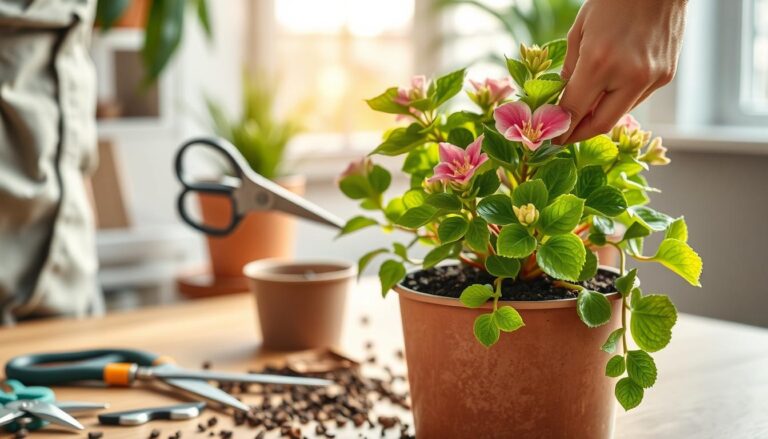
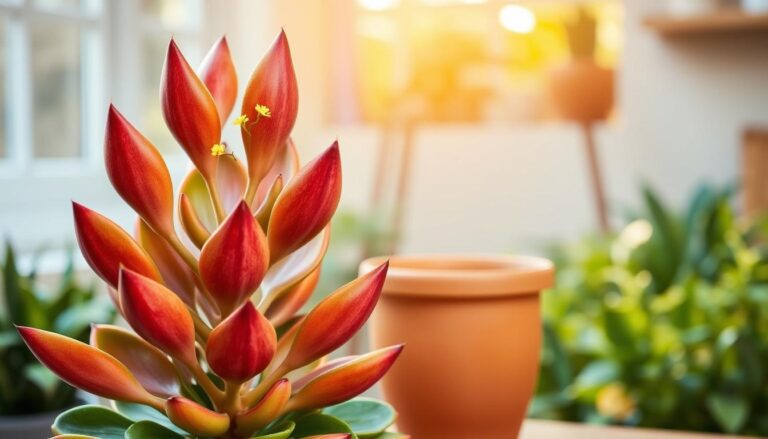
Watering Techniques for Trailing Succulent Care

Getting the watering schedule right is key for your trailing succulents. These plants store water in their leaves and stems. So, they need a special way to get water. Water the soil well, then let it dry before watering again.

A serene indoor gardening scene showcasing various trailing succulents, including the rare Kalanchoe Porphyrocalyx, elegantly cascading from stylish planters. In the foreground, a person in modest casual attire is gently watering the plants using a sleek watering can, demonstrating proper watering techniques. The middle ground features rich, textured soil with visible moisture, alongside tools like a moisture meter and a spray bottle. The background is softly blurred, showing a bright, sunny window with gentle natural light illuminating the scene, enhancing the freshness of the plants. The atmosphere is calm and inviting, emphasizing a nurturing approach to succulent care, with a focus on soil moisture and plant health.

It’s important to water the soil, not the leaves. Wet leaves can cause rot and fungal issues. Water at the base of the plant to keep it healthy.

Seasonal Watering Guidelines for Your Plants

In spring and summer, your plants need more water. Water them weekly or every 5 days when it’s hot. This helps them grow well.

In fall and winter, they need less water. Water them every 2-3 weeks when it’s cold. This helps them survive the cold.

SeasonWatering FrequencyTemperature RangePlant Activity
SpringWeekly60-75°FActive Growing
SummerEvery 5 days (temps above 100°F)75-100°F+Peak Growth
FallEvery 10-14 days50-65°FSlowing Growth
WinterEvery 2-3 weeks40-55°FDormancy

Assessing Soil Moisture and Plant Health

Knowing when to water is important. Check soil moisture by feeling it with your finger. If it’s dry, it’s time to water.

Healthy leaves are firm and full. Look for signs of underwatering or overwatering. Underwatering causes leaves to wrinkle, while overwatering makes them mushy.

  • Underwatering signs: Wrinkled leaves, shriveled appearance, slow growth, dry soil
  • Overwatering signs: Mushy leaves, translucent appearance, soft stems, soil staying wet
  • Healthy plant signs: Plump firm leaves, vibrant color, fast growth, dry soil between waterings

Water Quality and Container Drainage

Water quality is important for your plants. Use filtered or distilled water if you can. If not, let tap water sit for 24 hours before using it.

Drainage holes in pots are crucial. They prevent water from staying at the roots. Always choose pots with drainage holes for your succulents.

“The most common mistake succulent growers make is watering too much and too often. Your plants prefer neglect over constant moisture.”

Soil and Potting Requirements for Vining Succulents

Choosing the right soil and containers is key to keeping your trailing succulents healthy. Plants like Kalanchoe Porphyrocalyx need special care. The soil affects water drainage and root growth. Containers impact how plants cascade and thrive.

Poor drainage can cause root rot, which is deadly for vining succulents. The right setup prevents moisture problems and supports root growth. Let’s look at what your plants need to thrive.

Best Soil Mix for Drainage and Root Health

Your trailing succulents need gritty, well-draining soil that doesn’t hold water. Standard potting soil is too wet. Mix it with materials that improve drainage.

Here’s what works best for vining succulents:

  • Combine one part potting soil with one part perlite or pumice
  • Add coarse sand or gravel to increase drainage
  • Use specialized succulent soil mixes from brands like Hoffman and Espoma
  • Mix in orchid bark for extra air circulation
Soil ComponentPurposePercentage
Potting SoilBase nutrient medium40%
Perlite or PumiceDrainage improvement30%
Coarse SandWeight and aeration20%
Orchid BarkAir flow enhancement10%

This blend keeps excess water away from roots. Roots stay dry, preventing fungal problems and rot.

Choosing the Right Containers and Hanging Planters

Your container choice is as important as your soil blend. Drainage holes are non-negotiable for any vining succulent pot. Without them, water pools and damages roots quickly.

Select containers based on these guidelines:

  1. Pick pots with drainage holes in the bottom
  2. Choose terracotta or fabric pots that let soil dry faster
  3. Select hanging planters that are 6 to 10 inches deep
  4. Ensure your planter is only slightly larger than the root ball
  5. Use lightweight hanging containers to prevent ceiling damage

Terracotta planters breathe well and help soil dry between waterings. Fabric pots are great for hanging displays. Avoid plastic-only containers that trap moisture.

Your trailing succulents will cascade beautifully from hanging planters. The right soil and container combination creates the perfect home for your vining plants to thrive.

Kalanchoe Porphyrocalyx Care: Special Considerations

The Kalanchoe porphyrocalyx, also known as the Purple Leaf Kalanchoe, needs special care. It’s a rare trailing succulent that requires attention to thrive at home. Knowing its unique needs helps keep it healthy and vibrant.

A close-up view of a lush, green Kalanchoe porphyrocalyx succulent, showcasing its unique vining habit with thick, fleshy leaves that have a distinctive reddish edge. In the foreground, highlight the intricate texture of the succulent's leaves, emphasizing the rich green color and subtle sheen. The middle layer features a few delicate, small flowers atop the vines, creating a vibrant contrast with their bright pink and yellow hues. The background should include a softly blurred array of other vining succulents in a naturalistic setting, hinting at a serene garden atmosphere. Use soft, diffused natural lighting to create a warm and inviting mood, while capturing the scene from a low angle to give a sense of intimacy and connection to the plant's care requirements.

Water your Kalanchoe porphyrocalyx consistently but avoid too much. Water when the top inch of soil feels dry during the growing season. In winter, water much less since it’s dormant. Too much water can cause root rot, a common issue.

Keeping the right temperature is key for your Kalanchoe’s health. It likes daytime temperatures between 65°F and 75°F. Avoid cold drafts and temperatures under 50°F to prevent damage and slow growth.

Here are key care points for your vining Kalanchoe porphyrocalyx:

  • Provide bright, indirect light for 4-6 hours daily
  • Use well-draining succulent soil mixed with perlite
  • Feed with diluted succulent fertilizer during spring and summer
  • Maintain humidity levels around 40-50% indoors
  • Inspect regularly for mealybugs and spider mites

Humidity is important for this succulent. Make sure there’s good air circulation around it to avoid fungal problems. With the right conditions, your Kalanchoe porphyrocalyx will show off its stunning purple-tinged foliage.

Creating a stunning collection of trailing succulents turns your home into a green oasis. Each variety adds its own unique look to your hanging displays. Knowing about these popular options helps you pick plants that fit your home’s style and your gardening skills.

The varieties below are easy to grow and look amazing. They’re perfect for hanging displays and collections.

String of Pearls and String of Bananas

String of Pearls has tiny, round leaves that look like beads. It grows fast and creates beautiful cascades in months. Its leaves store water, making it great for beginners.

String of Bananas has small, banana-shaped leaves in soft green. It grows a bit slower but makes fuller cascades. Both need bright light and less water to thrive.

Burro’s Tail and Donkey Tail Sedum

Burro’s Tail has thick, fleshy leaves in tight rosettes along stems. Its leaves turn pink and red in bright light. It grows long and makes stunning hanging displays.

This plant needs careful watering because its leaves hold a lot of moisture. Be gentle with it, as its leaves fall off easily when bumped or waterlogged.

Ruby Necklace and String of Dolphins

Ruby Necklace has heart-shaped leaves that turn deep red in bright light. It’s beautiful and hardy, tolerating temperature changes and occasional neglect.

String of Dolphins has dolphin-shaped leaves in blue-green. It grows slower but is worth the wait for its unique charm. Both plants add beauty to any collection and look great together.

Variety NameLeaf ShapeGrowth SpeedLight NeedsWater Frequency
String of PearlsRound, bead-likeFastBright indirectEvery 2-3 weeks
String of BananasBanana-shapedModerateBright indirectEvery 2-3 weeks
Burro’s TailPlump, rosetteModerateBright directEvery 3-4 weeks
Ruby NecklaceHeart-shapedModerateBright directEvery 3 weeks
String of DolphinsDolphin-shapedSlowBright indirectEvery 3-4 weeks

Starting with these varieties is a great way to begin your vining succulent collection. Each plant adds its own special touch while being easy to care for. Mix different types in your displays for depth and texture.

Propagation Methods for Trailing Succulent Plants

Creating new trailing succulents from existing plants is rewarding and budget-friendly. It lets you expand your collection and fill in sparse areas. Most vining succulents propagate easily with the right steps and timing.

Selecting and Preparing Stem Cuttings

Start by choosing healthy stem cuttings from your plant. Look for stems that are firm and plump. Avoid damaged or diseased areas.

Use clean, sharp scissors or pruning shears to prevent disease. Cut 3-4 inches from the growing tip. This gives you enough material and keeps the parent plant healthy.

The Critical Callusing Period

Don’t plant your cuttings right away. Let the cut ends dry and form a callus for 24-48 hours. This prevents rot and encourages root growth.

Keep the cuttings in a warm, dry spot away from sunlight. You’ll see them transform from wet to dry. This callus is key to success.

Choosing Your Propagation Method

You have several ways to root your cuttings:

  • Soil propagation: Place callused cuttings in well-draining soil for faster root growth
  • Water propagation: Suspend cuttings in water for easy monitoring
  • Leaf propagation: Some species produce plantlets from leaves

Soil propagation creates strong roots. Water propagation is great for those who want to see progress. Choose based on your preference and plant type.

Timing Your Propagation Success

Spring and early summer are the best times to propagate. Plants have more energy for growth. Avoid winter when growth slows.

SeasonSuccess RateRooting TimeBest Plants
Spring90-95%2-3 weeksAll vining succulents
Early Summer85-90%2-4 weeksString of Pearls, String of Bananas
Fall60-70%4-6 weeksHardy varieties only
Winter30-40%8+ weeksNot recommended

Caring for Your Rooting Cuttings

Proper care is key during the rooting period. Provide bright, indirect light and minimal watering. Avoid direct sun and excess moisture.

Roots should develop in 2-4 weeks. String of Pearls roots fast in water, while thicker-stemmed varieties take longer in soil. Be patient and avoid overwatering.

“Regular pruning and propagation became part of my maintenance routine. I prune my String of Bananas twice yearly to prevent excessive length and thickness, then use those cuttings to start new plants or fill in sparse areas.”

Integration Into Your Plant Care Routine

Make propagation a regular part of your routine. Save cuttings from pruning to create new plants. This approach controls plant size and growth.

It works well for vigorous varieties like String of Bananas. Twice-yearly pruning becomes a chance to multiply your plants without extra cost.

Start your propagation journey today. Choose healthy stems, wait for the callusing period, and pick your method. Watch as new roots emerge. You’ll find propagation easy and rewarding with practice.

Common Problems and Solutions for Vining Succulents

Vining succulents add beauty to your home, but they can face challenges. Knowing these common issues helps keep your plants healthy. Most problems come from wrong care, like watering or light.

Fortunately, you can solve many issues with simple changes. This keeps your plants looking great.

Dealing with Leggy Growth and Leaf Drop

Leggy growth means your plants stretch out with big gaps. This usually comes from insufficient light. Plants stretch towards light, making stems weak.

Move your plants to a brighter spot with more sunlight. This helps fix leggy growth.

Leaf drop is when your plants lose leaves fast. It can be caused by:

  • Overwatering or poor drainage
  • Temperature swings or cold drafts
  • Sudden changes in light conditions
  • Root rot from sitting in wet soil

To stop leaf drop, check your watering and make sure soil drains well. Let the soil dry out completely between waterings.

Pest Prevention and Treatment

Pests can harm your plants indoors. Watch for mealybugs, spider mites, and scale insects. These pests weaken your plants by sucking sap.

Pest TypeSigns of InfestationTreatment Method
MealybugsWhite cottony clusters on stems and leavesSpray with neem oil or rubbing alcohol solution
Spider MitesFine webbing and yellowing leavesIncrease humidity and apply insecticidal soap
Scale InsectsBrown bumps on stems and undersides of leavesRemove manually or treat with horticultural oil

Check your plants often for pests. Early detection makes treatment easier. Keep affected plants away from others to stop the spread.

Conclusion

Vining succulent plants add beauty and ease to any home. You’ve learned how to care for them. They need bright, indirect light indoors or partial shade outdoors. Watering them right, using the soak-and-dry method, prevents root rot.

Using well-draining soil in containers keeps them happy all year. Keeping the right temperature protects them from stress. This care makes them thrive.

Trailing succulents are perfect for plant lovers. They’re easy to care for, so you can enjoy them more. They resist pests and can survive neglect thanks to their water storage.

They look amazing in hanging displays, turning your home into a green oasis. You can try different varieties like String of Pearls or the rare Kalanchoe Porphyrocalyx. Each one adds its own charm to your space.

General care works for many vining succulents, making it easy to care for several at once. They’re great for beginners and experienced plant lovers alike. Propagation is a fun way to grow your collection or share with others.

Be patient with your plants as they grow. Trailing succulents take time to reach their full beauty. But, your care will be rewarded with stunning displays that make your home feel like nature.

FAQ

What exactly are vining succulents and how do they differ from traditional succulents?

Vining succulents, also known as trailing succulents, have long stems that grow down. They don’t grow up like regular succulents. This makes them perfect for hanging displays.Their stems spread out, creating a beautiful look. Regular succulents stay more upright.

Why should I consider growing rare vining succulents like Kalanchoe porphyrocalyx?

Rare vining succulents like Kalanchoe porphyrocalyx are special. They have unique colors and textures. Kalanchoe porphyrocalyx has purple flowers and vines.They add variety to your collection. Growing them is rewarding and fun.

What light conditions do vining succulents need to thrive indoors?

Indoor vining succulents need bright, indirect light for 4-6 hours daily. Place them near south or west windows. If it’s too dark, use a grow light.Too little light makes them grow long and thin. So, they need enough light to stay healthy.

How much sun exposure should outdoor vining succulents receive?

Outdoor vining succulents need 4-6 hours of direct sunlight. Morning sun is better than afternoon. They like partial shade in very hot weather.This prevents sunburn, which looks like brown spots on leaves.

How can I protect my trailing succulents from sunburn?

To protect them, start with small amounts of sun. Gradually increase it over a week or two. Use shade cloth in hot summer months.This is especially true for rare succulents like Kalanchoe porphyrocalyx. In very hot places, afternoon shade is best.

What watering schedule should I follow for vining succulent care?

Water them until the soil drains well, then wait until it’s dry. Water every 2-3 weeks in spring and summer. In fall and winter, water every 3-4 weeks.Don’t overwater, as it causes root rot. This is the main problem for vining succulents.

What soil composition is best for vining succulents?

Use 50-60% well-draining succulent soil, 30-40% perlite or coarse sand, and 10% organic compost. This mix helps with drainage and root health.Don’t use regular potting soil. It holds too much water. For Kalanchoe porphyrocalyx, this mix is key for its health and purple flowers.

What type of containers should I use for hanging vining succulents?

Choose containers with drainage holes and made from breathable materials like terracotta. Use planters 6-10 inches wide for most varieties.Terracotta is best for air circulation. Make sure planters are sturdy for mature plants with water.

What special care does Kalanchoe porphyrocalyx require?

Kalanchoe porphyrocalyx needs bright, indirect light and cooler temperatures in winter. This encourages purple flowers. Water less and fertilize sparingly during the growing season.

Which vining succulents are easiest to grow and most popular?

Popular ones include String of Pearls and String of Bananas. Burro’s Tail and Donkey Tail Sedum have thick leaves. Ruby Necklace has purple leaves, and String of Dolphins has dolphin-shaped leaves.These are great for beginners.

How do I propagate vining succulents from leaves and cuttings?

Propagate by removing leaves or cutting stems. Let them callus for 2-3 days, then plant in moist soil. Roots will grow in 2-4 weeks.Keep the soil moist during this time. Then, water regularly.

What causes leggy growth in trailing succulents and how do I fix it?

Leggy growth comes from too little light. Move them to brighter spots. Prune long stems to encourage bushy growth.With enough light, they’ll grow fuller. This is key for rare succulents.

Why are my vining succulents experiencing leaf drop?

Leaf drop is often due to too much water or cold. Check your watering. Make sure soil drains well.Keep them away from cold drafts. Give them time to recover. New growth will come in 2-3 weeks.

How do I prevent and treat pest infestations on vining succulents?

Check for pests like mealybugs and spider mites. Treat early infestations with neem oil or insecticidal soap. For severe cases, treat every 7-10 days for three weeks.Keep plants well-ventilated and avoid overwatering. Quarantine new plants for 2-3 weeks.

Can I grow vining succulents outdoors year-round in cold climates?

Most vining succulents can’t handle cold winters. In zones below 9, treat them as seasonal plants. Bring them inside before frost.Some Sedum varieties can handle zone 5. But tender species need protection. Move containers to a warm spot or bring them inside.

What humidity level should I maintain for vining succulent growth?

Keep humidity between 30-40%. This prevents diseases. Avoid misting, as it increases humidity.In summer, reduce watering and space plants apart. This helps air flow.

How can I encourage my vining succulents to produce more trailing growth?

Prune and provide bright light. Pinch stem tips to encourage branching. Remove upright stems.Water and fertilize regularly. This supports growth and purple flowers for Kalanchoe porphyrocalyx.