Physical Address
304 North Cardinal St.
Dorchester Center, MA 02124
Physical Address
304 North Cardinal St.
Dorchester Center, MA 02124

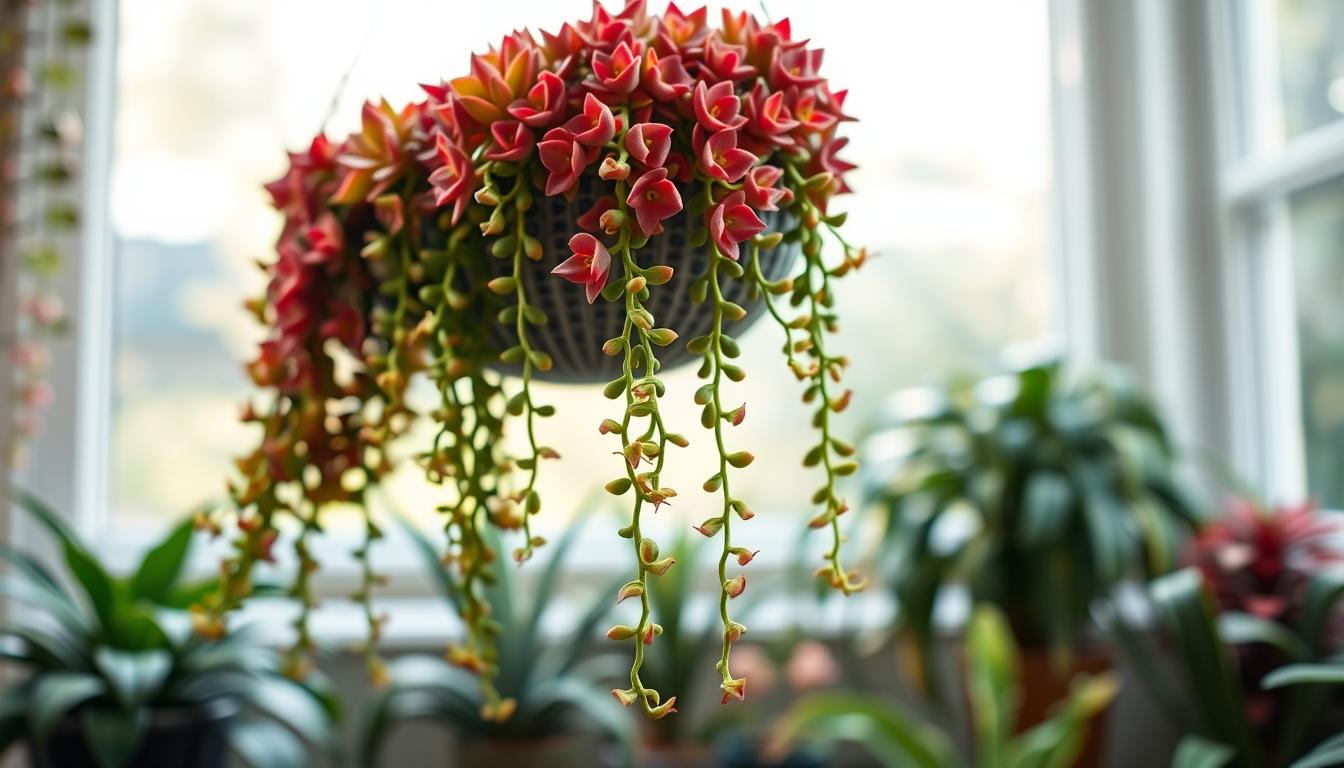
You stand in front of your window, watching sunlight stream across empty shelves. Your home feels bare, lacking the green life that makes a space feel alive. Many people feel this same pull toward nature, even when living in apartments or small spaces. Vining succulents offer you a solution that transforms corners and walls into thriving gardens.
These trailing plants do something special. They grow downward and cascade over edges, creating living art that brings movement and color to your surroundings. Unlike traditional potted plants that sit upright and demand floor space, vining succulents adapt to hanging baskets and wall displays. You get beautiful greenery without taking up precious room.
The Kalanchoe Porphyrocalyx stands out among vining succulents. This rare variety features thick, colorful foliage that deepens in tone when exposed to light. Growing this unique plant teaches you patience and connection to nature. Your care becomes a daily ritual that grounds you and creates purpose.
This guide walks you through everything you need to know about caring for vining succulents. You’ll learn how to give them the right light, water, and soil. You’ll discover propagation secrets that let you expand your collection. By the end, you’ll have the confidence to grow these remarkable plants successfully.
Vining succulent plants are different from regular succulents. They grow along the ground or hang down with flexible stems. These stems are thick and fleshy, holding water like their upright cousins.
These plants spread out instead of growing up. This makes them perfect for certain gardening needs.
Vining succulents store water in their leaves and stems, just like other succulents. But they grow differently. Their sprawling nature creates beautiful displays in your garden.
Vining succulents have unique features. Their stems are longer and more flexible than other succulents. You can bend them without hurting the plant, offering creative planting options.
These plants offer many benefits. Your trailing succulents need little care but look great. They do well in different light and add variety to your garden.
| Benefit | Impact on Your Garden |
|---|---|
| Low water requirements | Less frequent watering means easier care routines |
| Extended growing season | Longer periods of active growth and display |
| Space efficiency | Creates beauty without taking up ground area |
| Disease resistance | Lower susceptibility to common plant diseases |
Your hanging succulent displays look elegant with cascading plants. They work well in vertical gardens and wall planters. Their growth creates flowing shapes that draw the eye.
Hanging displays help plants breathe, reducing moisture issues. Trailing succulents soften hard edges and add life to your garden. They’re light enough for hanging without worrying about the structure.
Use vining succulents to frame doorways or brighten indoor corners. They’re great for both experienced gardeners and beginners. Their adaptability makes them reliable and beautiful.
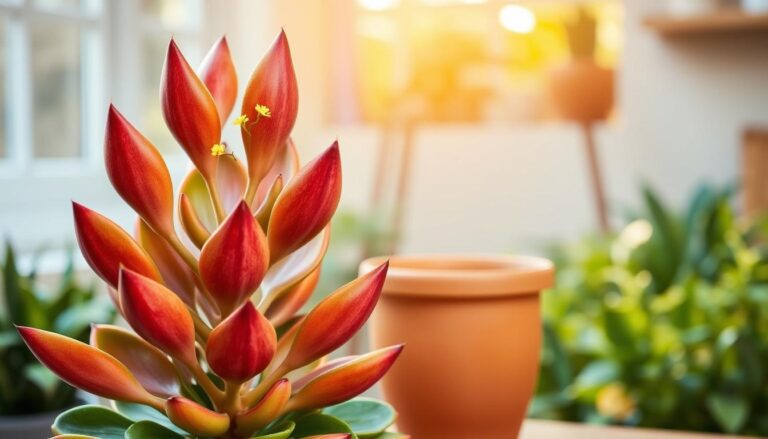
The Kalanchoe Porphyrocalyx is a rare and captivating vining succulent. It stands out among collectors and enthusiasts. This succulent offers a unique charm that captures the imagination of serious plant lovers.
What makes this succulent with purple flowers so special? Its distinctive appearance is the answer. The plant has delicate, thin vines that cascade beautifully from hanging containers. Its distinctive foliage consists of small, fleshy leaves arranged along slender stems. The most striking feature is its stunning purple or violet flowers that bloom in clusters, giving the plant its botanical name—porphyrocalyx refers to the purple calyx that cradles these delicate blooms.
Understanding the plant’s origins provides valuable context. The Kalanchoe Porphyrocalyx originates from Madagascar, where it naturally grows in warm, arid climates. This native habitat has shaped its adaptations over time, making it a plant that thrives in specific conditions. The plant has evolved to survive with minimal water and intense sunlight, characteristics essential for its care requirements.
If you’re captivated by Kalanchoes, wait until you meet the rare, vining Kalanchoe porphyrocalyx. Unlike the upright Blossfeldiana, this Madagascar native trails gracefully and rewards with purple-tinged blooms.
This rare vining succulent differs significantly from other trailing succulents in several ways:
The Kalanchoe species remains challenging to locate in standard garden centers. This scarcity has created a dedicated following among succulent enthusiasts. Specialty nurseries and online retailers offer better chances of finding this remarkable plant. Your collection gains prestige when you include this rare vining succulent among more common varieties.
The growth pattern of Kalanchoe Porphyrocalyx differs from typical trailing succulents. It develops a more delicate, refined appearance with thinner vines and smaller leaves. The blooming period typically extends from spring through early summer, rewarding patient growers with clusters of purple or violet flowers. This succulent with purple flowers creates a striking visual contrast against green foliage, making it an outstanding display plant.
Understanding how this rare vining succulent compares to other vining succulents helps you make informed decisions. Its slower growth rate means less frequent pruning. The plant demonstrates strong hardiness indoors, adapting well to typical home environments. These qualities make it an excellent choice for collectors seeking something extraordinary. As you move into the detailed care instructions that follow in Section 7, you’ll appreciate why this unique plant requires thoughtful attention and special consideration.
Light is key for your vining succulents to stay healthy and grow well. These plants need the right sunlight to look vibrant and stay compact. Knowing how much light they need helps you create the best environment, indoors or outdoors.
Indoor vining succulents need bright light for 4 to 6 hours a day. A south or west window is best because it gets lots of natural light. If you don’t have bright windows, a grow light can help.
During winter, indoor plants near windows get less light. Move them closer to windows or use grow lights to keep them healthy. If they don’t get enough light, they might look pale or grow too long.
Outdoor vining succulents can handle more direct sunlight. Most types, like the Kalanchoe porphyrocalyx, need 6 to 8 hours of direct sunlight a day. This helps them grow strong and colorful.
Your location in the United States affects how much sun your plants can take. In hot southern areas, afternoon shade is crucial. In cooler northern places, more sun helps them grow stronger and more colorful.
| Region | Ideal Sun Exposure | Afternoon Shade Needed | Best Planting Location |
|---|---|---|---|
| Northern States | 6 to 8 hours direct sun | No | Full sun areas, south-facing walls |
| Central States | 5 to 6 hours direct sun | Yes, after 2 PM | Morning sun with afternoon shade |
| Southern States | 4 to 5 hours direct sun | Yes, 12 PM to 4 PM | Dappled shade, east-facing areas |
| Desert Regions | 3 to 4 hours direct sun | Yes, most of afternoon | Filtered shade, under structures |
Vining succulents love sunlight but too much can cause sunburn. Sunburned leaves turn brown or orange and feel papery. This happens when they suddenly get too much sun after being in shade.
Slowly get your plants used to outdoor sun over 2 to 3 weeks. Start with morning sun and gradually add more. This hardening off process helps them adjust without stress.
Shade cloth with 30% to 50% density is great for protecting plants in summer. You can cover hanging planters or attach it to structures to block harsh sun. This keeps your plants safe while still getting enough light.