Physical Address
304 North Cardinal St.
Dorchester Center, MA 02124
Physical Address
304 North Cardinal St.
Dorchester Center, MA 02124
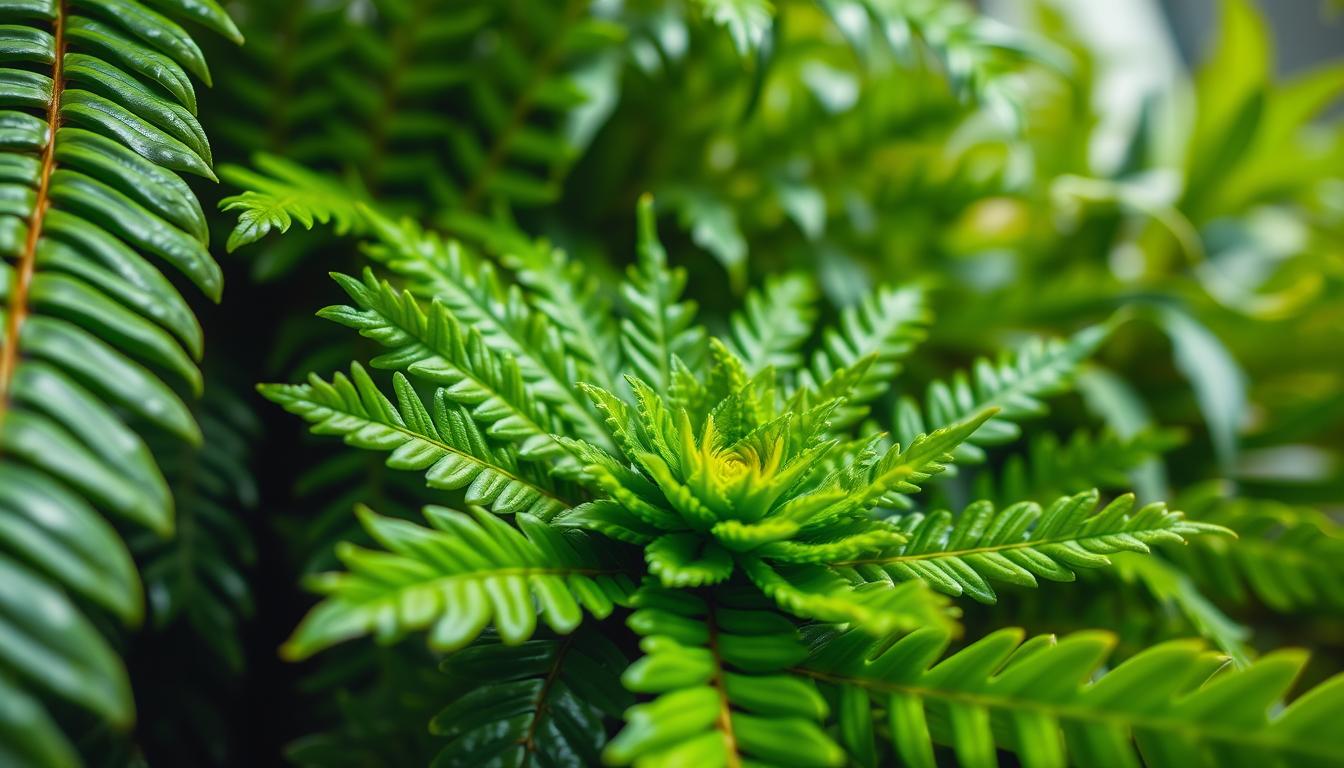
Your bird’s nest fern grows steadily with proper care. It will outgrow its home over time. Knowing when and how to repot keeps it healthy and vibrant. Watch for signs like the plant becoming top-heavy and unstable.
Roots growing extensively through drainage holes also signal it’s time to act. The potting medium breaking down and no longer draining properly, after 2-3 years, means fresh soil is essential for continued growth.
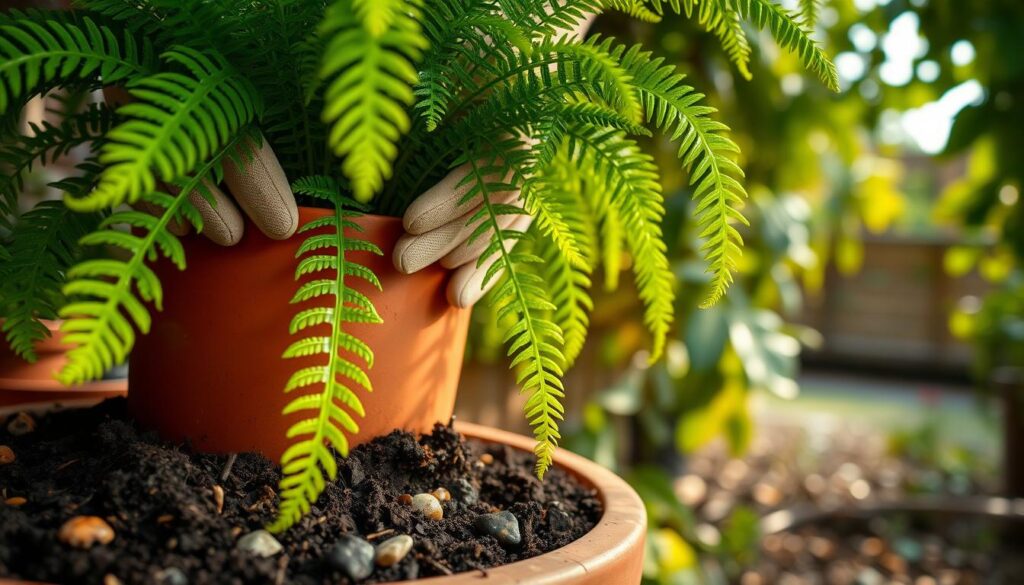
Repotting your bird’s nest fern requires careful attention to detail. These ferns don’t like oversized pots. Select a pot only one size larger than the current container to prevent waterlogging and root rot.
Start by gently removing the plant while preserving as many roots as possible. Handle the root ball with care to avoid damage.
Follow these steps for successful repotting:
Never bury the central crown, as this leads to rot and plant decline. The crown should sit at soil level, exposed and dry.
Consider an exciting alternative: mounting your bird’s nest fern on wood or cork bark. This creates a dramatic vertical display. It honors the plant’s epiphytic nature and produces a stunning living wall art piece.
Start by creating a flat area on the root ball. Use minimal aquarium-safe silicone or plant-safe glue to anchor just the center point to your chosen bark. Wrap the roots with moistened sphagnum moss, securing with fishing line or plant ties if needed. Keep the mount horizontal while misting daily until the roots firmly attach to their new substrate—this process usually takes 4-6 weeks. Once established, your mounted fern becomes a dramatic focal point in your home.
| Repotting Method | Best For | Timeline to Establishment |
|---|---|---|
| Container Repotting | Standard care and growth | 1-2 weeks |
| Bark or Wood Mounting | Dramatic vertical displays | 4-6 weeks |
Both methods work beautifully for bird’s nest ferns. Pick the approach that matches your space and design vision.
Bird’s nest ferns face threats from pests and diseases. These can harm their beautiful fronds. Knowing what to look for helps catch problems early.
Your plant’s health depends on quick identification and treatment. Bacterial infections and various insects are the biggest risks.
Bacterial blight shows up as small, water-soaked spots on fronds. These spots start clear and then grow bigger. You’ll see reddish-purple margins around the damaged areas, often following leaf veins.
Bacterial blight often comes from watering mistakes. Watering from above can cause water to collect in the fern’s crown. This creates a perfect spot for bacteria to grow. Fixing this mistake is easy.
Act fast when you see blight:
Bacterial infections are hard to cure. Sometimes, your plant can’t be saved. In severe cases, you must throw away the plant to stop the bacteria from spreading.
Many pests attack bird’s nest ferns. Each pest needs a different treatment. Catching them early makes management easier.
| Pest Type | Appearance | Damage Signs | Treatment Method |
|---|---|---|---|
| Scale Insects | Small brown or tan bumps on fronds and stems | Cause stunted growth and honeydew secretion | Insecticidal soap or pyrethrin spray |
| Mealybugs | White cottony masses in leaf crevices | Leaf yellowing and wilting | Insecticidal soap application |
| Fungus Gnats | Tiny flying insects around soil | Larvae eat roots and stunt growth | Beneficial nematodes and neem oil |
| Foliar Nematodes | Water-soaked spots turning brown to black | Progressive frond damage and death | Plant disposal and soil sterilization |
| Caterpillars/Cutworms | Visible insects or chewed holes | Ragged holes in fronds | Treat with Bacillus thuringiensis |
| Slugs | Visible mollusks on plant | Irregular holes and slime trails | Hand-pick and use bait |
Scale insects look like small bumps on fronds and stems. They cause stunted growth and make sticky honeydew. Use insecticidal soap or pyrethrin to get rid of them.
Mealybugs hide in leaf crevices as white cottony masses. They weaken your plant fast. Treat them with insecticidal soap to get rid of them completely.
Fungus gnats are tiny flying insects around the soil. Their larvae eat roots from inside the potting mix. Use beneficial nematodes and neem oil to treat them effectively.
Foliar nematodes create brown to black spots that look like bacterial blight. These microscopic pests are almost impossible to save. You must throw away your plant and sterilize the soil to stop the spread.
Caterpillars and cutworms chew holes in your fronds. Treat them with Bacillus thuringiensis, a safe natural bacteria for indoor plants.
Slugs leave irregular holes and slime trails. Hand-pick them from your plant in the evening. Use slug bait around the pot base for ongoing protection.
“Regularly check your bird’s nest fern to prevent pest problems. Look for signs on both sides of fronds weekly.”
Being vigilant keeps your bird’s nest fern healthy and beautiful for years.