Physical Address
304 North Cardinal St.
Dorchester Center, MA 02124
Physical Address
304 North Cardinal St.
Dorchester Center, MA 02124

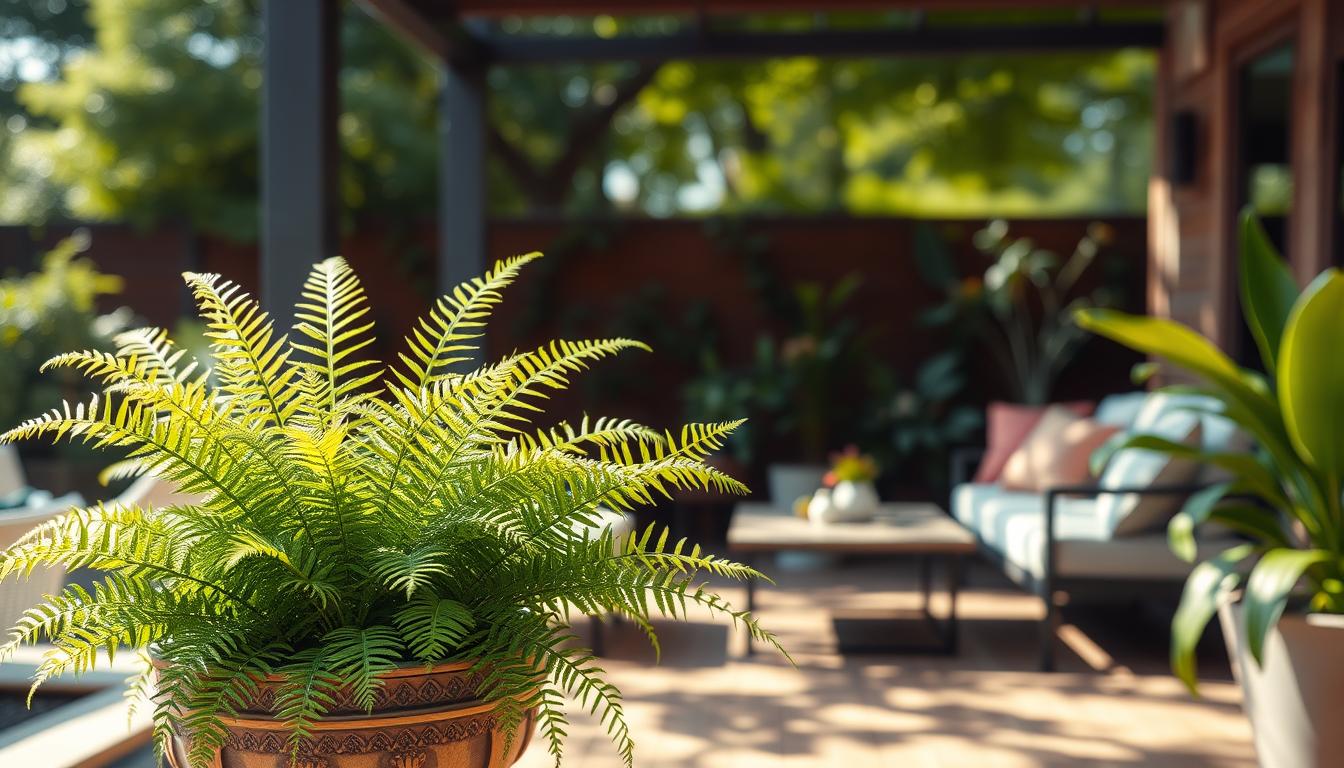
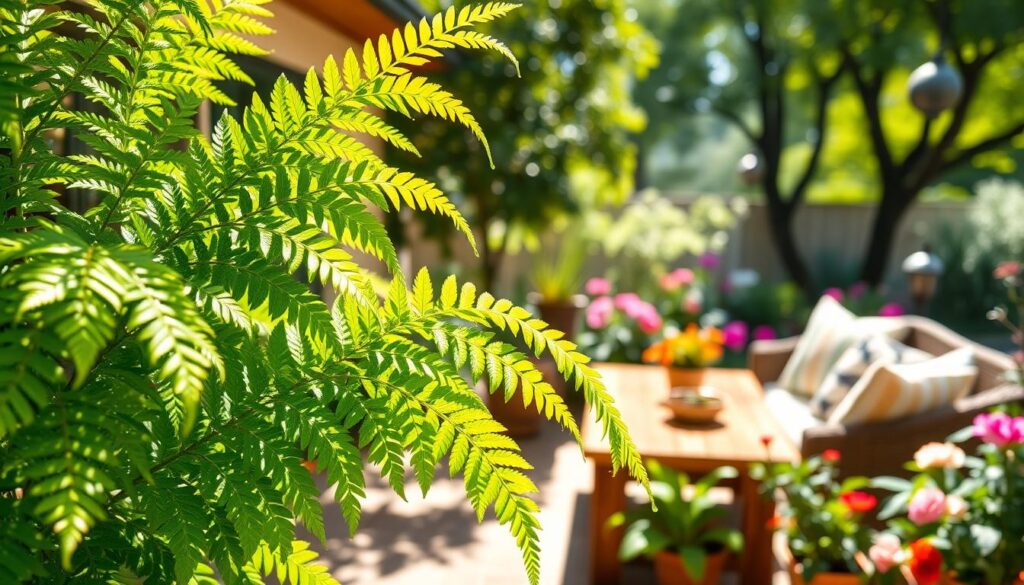
Creating the right environment is key for boston fern outdoor care. Your patio fern needs specific conditions to grow lush, vibrant fronds. Temperature and humidity together keep your plant healthy all year.
Boston ferns like a day temperature of 65-75°F. This is perfect for spring and summer weather. At night, keep it above 55°F. Your fern can handle cooler nights but prolonged cold below 40°F damages it.
Temperatures above 95°F stress the plant and scorch the fronds. A brief drop to 35°F can kill your Boston fern.
Humidity is also crucial for boston fern outdoor care. They thrive in humidity above 80%. Since outdoor humidity is usually lower, you’ll need to increase it around your fern.
Boosting humidity takes effort but is worth it. Here are some effective methods:
Even with humidity between 60-70%, your Boston fern can survive and grow. Brown, crispy frond tips mean humidity is too low. Regular misting in warm months prevents this. Balance high humidity with good airflow to avoid fungal problems.
| Temperature Condition | Effect on Boston Fern | Action Required |
|---|---|---|
| 65-75°F (Day) | Optimal growth and frond development | Maintain this temperature range |
| Above 55°F (Night) | Plant remains healthy and stable | Protect from cold snaps |
| 40-50°F | Survival possible but stressed growth | Move to shelter or bring indoors |
| Below 35°F | Severe damage or plant death | Bring container indoors immediately |
| Above 95°F | Frond burn and stress | Increase misting and provide shade |
Adjust your humidity management with the seasons. Summer air is dry, so mist more then. Spring and fall need less misting. Winter misting is less frequent unless it’s very dry. Watch your fern’s health to adjust your care.
Boston Ferns are humidity magnets. They flourish in the naturally moist air of a shaded patio or bathroom. If you love ferns, you’ll need to master humidity—here’s how.
Boston ferns are light feeders that need careful attention to plant nutrition. Unlike many outdoor plants, these delicate ferns don’t require heavy fertilization. Providing the right nutrients at the right time keeps your ferns lush and green without damaging their sensitive root systems. Understanding your feeding routine prevents common problems like nutrient deficiencies or fertilizer burn.
Your boston fern care outdoors depends on choosing the right approach to fertilization. Too much fertilizer can harm these plants, so conservative applications work best. The key is learning when and how to feed your patio ferns throughout the growing season.
You have several options when selecting fertilizer types for your outdoor Boston ferns. Balanced liquid fertilizers work well, such as a 20-10-20 formulation diluted to half strength. Apply this mixture directly to the soil after watering your plant. Never spray liquid fertilizer on the delicate fronds, as this causes chemical burn and damage.
Slow-release granular fertilizers offer another excellent choice. These products release nutrients gradually into the soil, providing steady plant nutrition without the risk of over-fertilizing. Spread slow-release fertilizer on the soil surface in spring, then apply it again six to eight weeks later.
For in-ground Boston ferns, organic amendments work beautifully. Add 1 inch of compost and mulch annually to improve soil structure and provide gentle, sustained nutrition. This natural approach reduces salt buildup in the soil and supports long-term fern health.
Your fertilizing schedule should follow the plant’s natural growth patterns. Boston ferns grow actively during spring and summer, when they need regular feeding. Begin your feeding routine in early spring when you notice new growth appearing on the fronds.
During the growing season, feed your outdoor Boston ferns once monthly through summer. Stop fertilizing in late fall and winter when the plant enters dormancy. This seasonal approach matches your fern’s natural growth cycle and prevents unnecessary stress.
| Season | Feeding Frequency | Fertilizer Type | Application Method |
|---|---|---|---|
| Spring | Once monthly | Balanced liquid (20-10-20) or slow-release granular | Apply to soil after watering |
| Summer | Once monthly | Balanced liquid (20-10-20) at half strength | Direct soil application |
| Fall | Reduce to every 6 weeks | Light balanced fertilizer | Soil only, avoid fronds |
| Winter | No feeding | N/A | Plant dormancy period |
Watch your fronds for signs that your feeding routine needs adjustment. Pale or yellowish leaves indicate your fern lacks nutrients and needs more frequent feeding. Brown frond tips or white salt crust on soil suggest over-fertilization, meaning you should reduce applications or dilute your fertilizer more.
Container-grown ferns on your patio need more frequent fertilization since nutrients wash away with watering. In-ground ferns rely more on soil amendments and benefit from that annual compost application. Adjust your fertilizing schedule based on whether your fern grows in a pot or directly in garden soil.
Proper plant nutrition through consistent, careful fertilization ensures your Boston fern thrives outdoors. By following this seasonal feeding routine and choosing appropriate fertilizer types, you’ll maintain vibrant, healthy fronds throughout the year.
Boston ferns love regular pruning. It makes them grow bushy and removes any ugly, damaged leaves. To care for your fern outdoors, learn how to prune it right. Cut off brown or dead fronds at the base with sharp, clean shears. This keeps your fern looking great all season.
Prune your fern in early spring or when you repot it. You can also trim it when you see dead or discolored fronds. Cutting at the base keeps your fern’s natural shape and encourages fuller growth.
Outdoor Boston ferns can handle more pruning than indoor ones. Many gardeners cut them back a lot in late fall. Then, they grow back strong in spring. This keeps your ferns looking neat and prevents them from getting too long and sparse.
But pruning is just part of caring for your fern. Here are some other important tasks:
Trim side fronds at the base to shape your fern into an attractive rounded form. Leave the top of the plant unpruned, but taper the edges to your desired shape. This balanced approach to maintenance tips keeps your Boston fern looking full and lush without disrupting its natural growth pattern.
Success with outdoor Boston ferns comes from regular, light maintenance. A quick five-minute cleanup each week keeps your fern healthy and looking good. By staying on top of these tasks, your fern will stay vibrant and beautiful all season.
| Maintenance Task | Frequency | Benefits |
|---|---|---|
| Remove dead fronds | Weekly | Prevents disease and improves appearance |
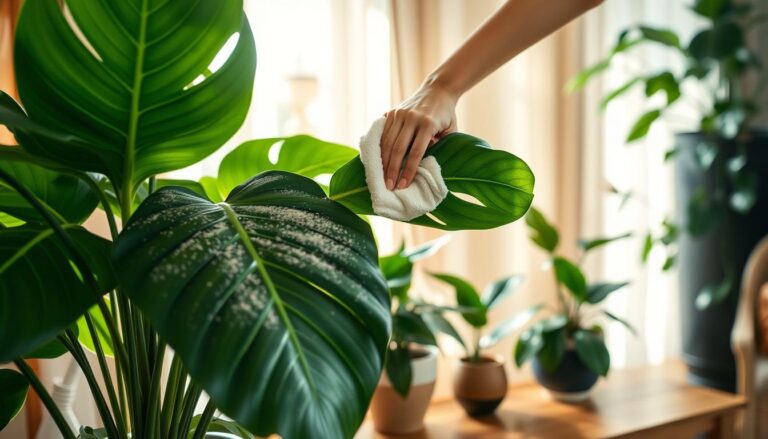
| Wipe leaves clean | Every 2 weeks | Removes dust and prevents pest problems |
| Trim side fronds | Monthly | Encourages bushy, compact growth |
| Major pruning | Early spring | Corrects leggy growth and stimulates new shoots |
| Rotate container | Every 3 weeks | Ensures even growth on all sides |
By following these pruning and maintenance tips, your outdoor Boston fern will become a stunning patio centerpiece. Healthy growth comes from consistent care, sharp tools, and knowing what your fern needs at each stage of the season.