Physical Address
304 North Cardinal St.
Dorchester Center, MA 02124
Physical Address
304 North Cardinal St.
Dorchester Center, MA 02124

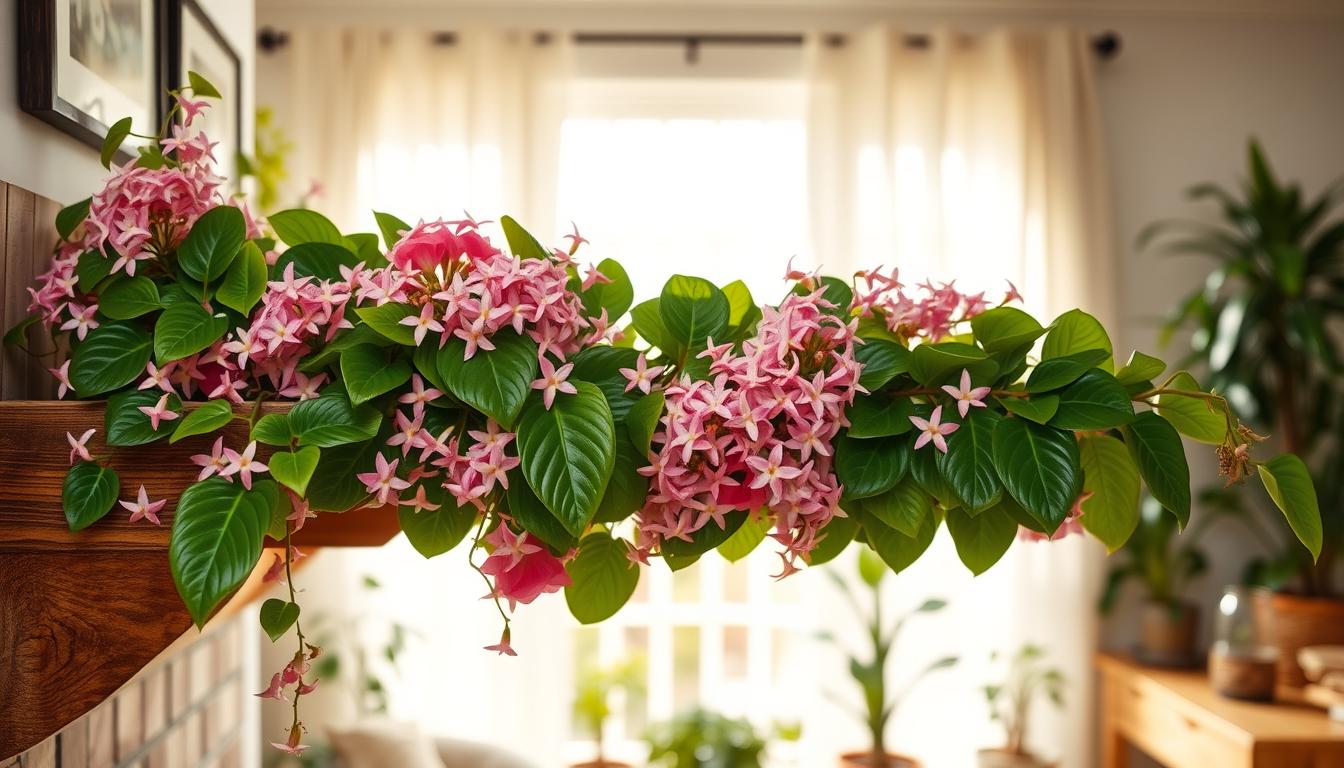
Light is key for your hoya to thrive. It needs the right amount of brightness to grow strong and bloom. Summer’s intense sunlight means you must choose the right spot for your hoya.
Finding the right light balance is crucial. Too little light makes your plant stretch and become leggy. Too much sun can burn the leaves, turning them brown or yellow. The goal is to find bright, indirect light that mimics tropical forest canopies.
Your hoya does best with 2 to 6 hours of bright, indirect sunlight daily. The light should be strong enough to cast a soft shadow but not direct rays. The ideal light intensity is 1,500 to 2,000 foot candles, which means good, filtered brightness.
The best windows for summer are:
With enough light, your hoya will grow well, stay green, and bloom. Plants with less than half a day of bright light rarely bloom. So, don’t hide your hoya in a dark corner if you want flowers. Look for these signs that your light is right:
| Light Condition | Plant Response | Action Needed |
|---|---|---|
| Optimal bright, indirect light | Compact growth, vibrant leaves, flowering | Maintain current placement |
| Insufficient light | Stretched stems, large gaps between leaves, no flowers | Move closer to a bright window |
| Excessive direct sun | Brown leaf spots, yellowing, leaf curl | Filter light with curtains or move plant back |
Summer sun is strong, and even sun-loving plants need protection. Most hoyas struggle with direct afternoon sunlight, especially from southwest-facing windows. This can scorch the leaves.
Signs your hoya is getting too much sun include:
To protect your hoya in summer, consider these solutions:
Some hoyas, like Hoya kerrii, can handle more sun than others. But even these need filtered light in summer. Know your hoya variety and adjust accordingly. The goal is to keep your plant healthy and flowering, not stressed by too much heat and light.
Summer is when your hoya vine grows the most. It’s important to know how to water it right. The trick is to water deeply but not too often. This means soaking the soil until water comes out the bottom, then waiting for it to dry before watering again.
In summer, hoyas usually need water every 7 to 14 days. How often you water depends on a few things. These things help figure out how much moisture your plant needs.
To see if your hoya needs water, check the soil. Stick your finger 2 to 3 inches into the soil. If it’s dry, it’s time to water. You can also lift the pot to see if it’s light, which means the soil is dry.
Summer heat and more light make the soil dry faster. Air conditioning lowers humidity, which also dries the soil. Always use pots with holes to prevent water from causing root rot.
Hoyas have leaves that store water, so they can handle some drought. But, too much water can kill them. Root rot is the main cause of death for these plants.
| Watering Sign | Overwatering Symptoms | Underwatering Symptoms |
|---|---|---|
| Leaf Appearance | Yellowing or translucent leaves | Shriveled, crispy leaf edges |
| Stem Condition | Soft, mushy, or blackened stems | Firm but smaller growth |
| Growth Pattern | Leaf drop and stunted growth | Slow but steady growth |
| Soil Smell | Rotten, sour odor from soil | Dry, neutral smell |
Some hoyas, like Hoya carnosa, bloom better with a dry spell. Reduce watering for 4 to 5 weeks in late spring. This imitates their natural drought in their native habitats. After the dry period, water normally to help them bloom.
How often you water depends on how much light your plant gets. Plants in bright spots need more water in summer. Those in less light can go longer without water. Watch your plant’s soil and adjust your watering schedule as needed.
Your hoya carnosa care success starts with the right soil. Standard potting soil alone won’t do for these tropical plants. Hoyas need a mix that drains fast and stays light. In nature, hoyas grow on trees as epiphytes, clinging to bark and branches where water flows through quickly.
Your indoor soil should mimic this natural setup. This ensures your hoya carnosa care routine becomes easier. The plant will stay healthier and bloom more during summer. Poor soil causes root rot and weak growth. Quality soil keeps roots happy and active.
Build your hoya soil from three equal parts. Mix them together in these amounts:
Each part plays a role in hoya carnosa care. Peat holds some moisture and adds nutrients. Perlite creates air pockets so roots breathe. Orchid bark keeps the mix chunky and loose.
The pH matters too. Your hoya prefers slightly acidic to neutral soil between 6.1 and 7.5. If you need to adjust, add crushed eggshells to raise pH. Add peat to lower it.
Some growers use simpler mixes. Try one part potting soil mixed with one part orchid mix. This works well for beginners doing hoya carnosa care. In Asia, some growers use pure coco chips with great results.
Timing matters when you repot. Early summer brings the best results. Your hoya enters active growth and settles into fresh soil quickly.
Here’s what you need to know about repotting for proper hoya carnosa care:
Hoyas actually like being slightly root-bound. Snug roots stress the plant in a good way. This stress makes your hoya bloom more freely. Don’t rush to repot just because roots show. Wait until roots circle densely or push through drainage holes.
Waiting between waterings after repotting prevents root rot. Damaged roots need time to heal and callus over before moisture touches them.